How can an engaging presentation lead to deeper learning rather than simply entertain? The final part of Simon Carley’s medutainment series considers delivery, follow-up learning and the risks of weak content, uncritical admiration, neglected everyday topics and commercial influence in medical education.
Why did entertainment become a more visible part of medical education? In this 2015 reflection, Simon Carley considers digital access to information, reusable online resources and changing conference expectations, arguing that stories and engaging delivery can help learners think beyond memorising facts.
Does apnoeic oxygenation reduce desaturation during intubation of critically ill adults? This 2015 appraisal of the FELLOW trial examines its ICU population, oxygen-saturation outcomes and methodological limitations, asking how far the findings can be applied to emergency department airway practice.
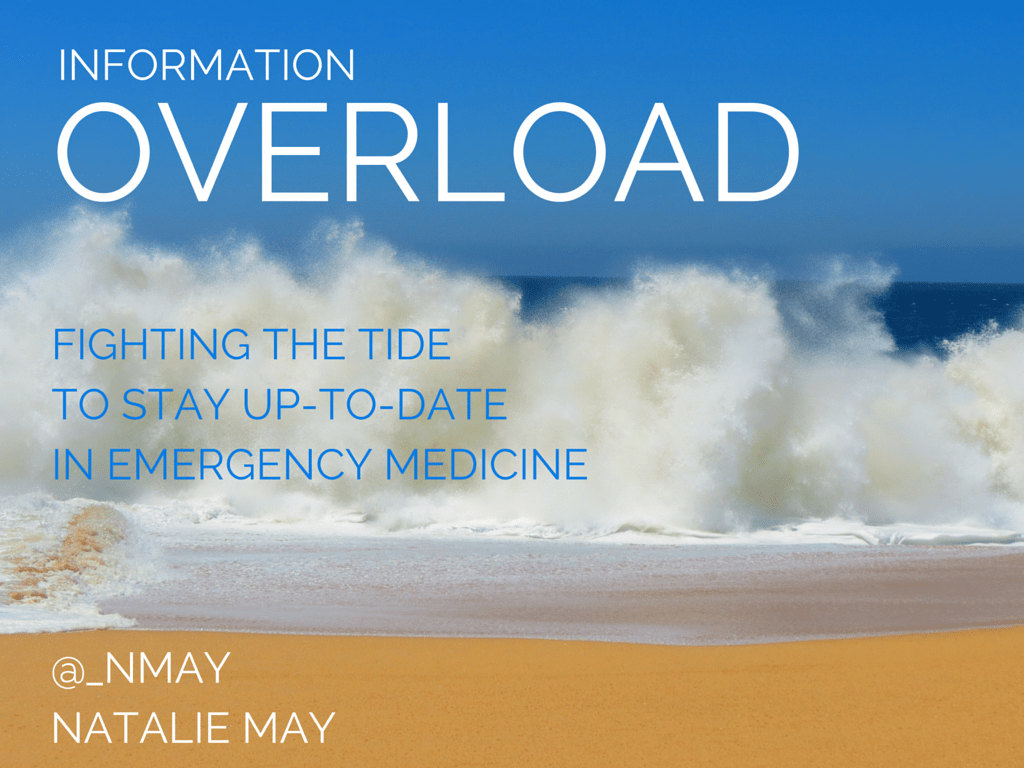
How can emergency clinicians keep up with the literature without being overwhelmed? Natalie May compares journal clubs, alerts, RSS feeds, online appraisals and social media in this 2015 overview, weighing the effort, access and critical appraisal involved in building a personal approach.
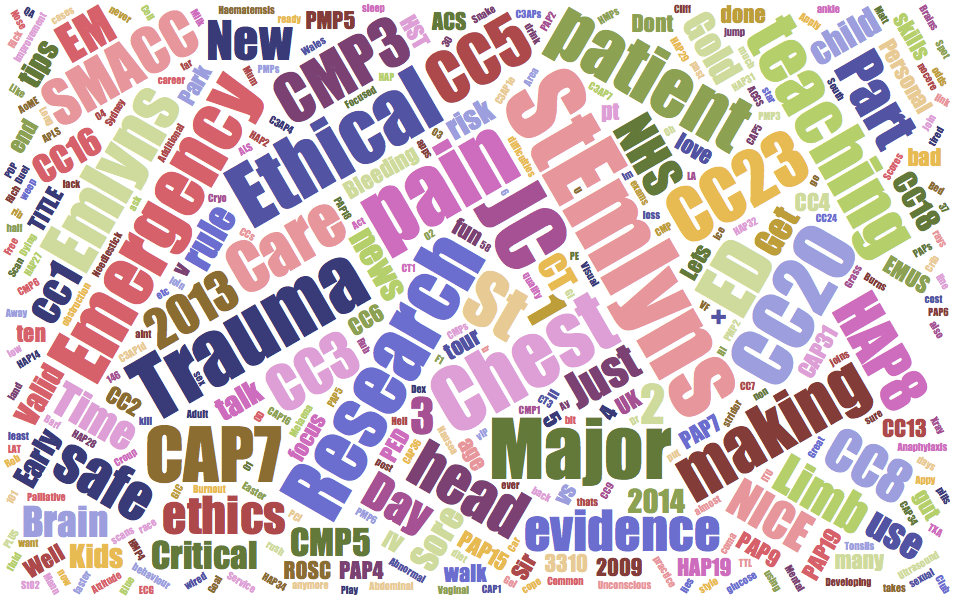
An archive of St Emlyn’s learning resources mapped to the 2010 RCEM curriculum. This 2015 guide explains how topic links and curriculum codes help readers find material for core, higher and paediatric training, with ultrasound included; it is not a map of the current curriculum.
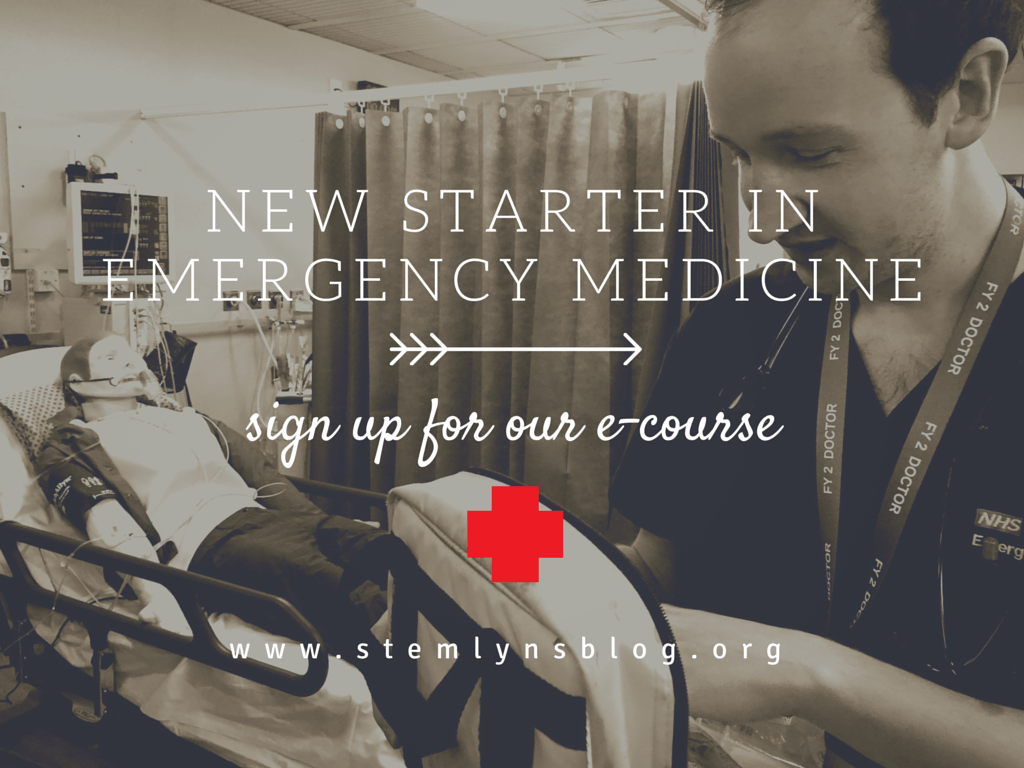
How can online learning support doctors whose shifts prevent them attending departmental teaching? This 2015 announcement explains St Emlyn’s redesigned introductory emergency medicine course, combining selected FOAMed resources with workplace teaching, trainee reflection and tutor support during its initial testing phase.