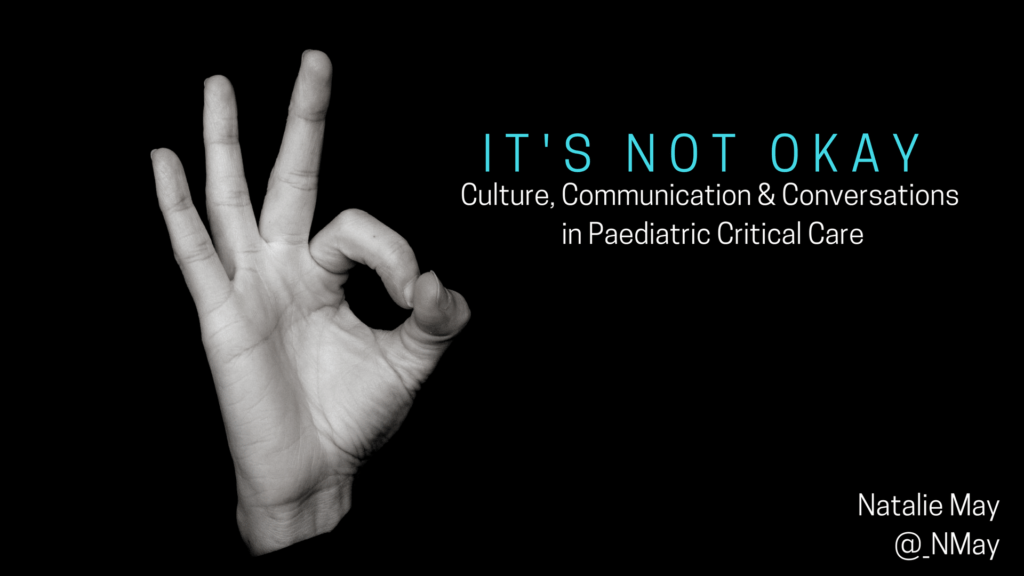
Good paediatric communication involves more than breaking bad news. This dasSMACC teaching post explores cultural assumptions, preparing children and families for procedures, and listening directly to young patients, with practical ways to make consultations more inclusive and honest.
Does icatibant help ACE inhibitor-associated angioedema? This 2017 review contrasts an encouraging small trial with a larger placebo-controlled study that found no faster recovery, while explaining why its results cannot settle treatment for immediately life-threatening cases.
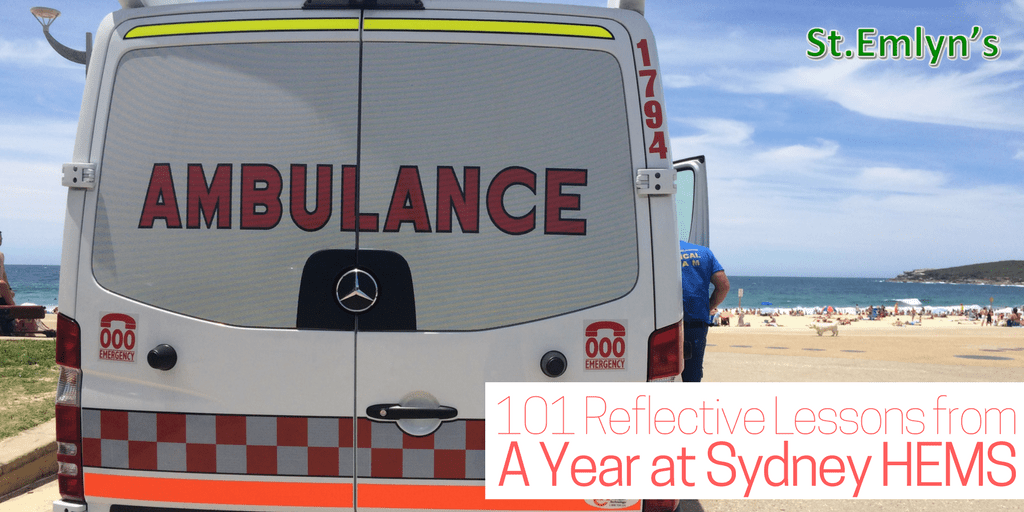
Natalie May continues her reflections on a year with Sydney HEMS, focusing on paediatric retrieval, drowning and airway care. These personal clinical lessons explore equipment, communication and the compromises involved in delivering critical care outside the hospital.
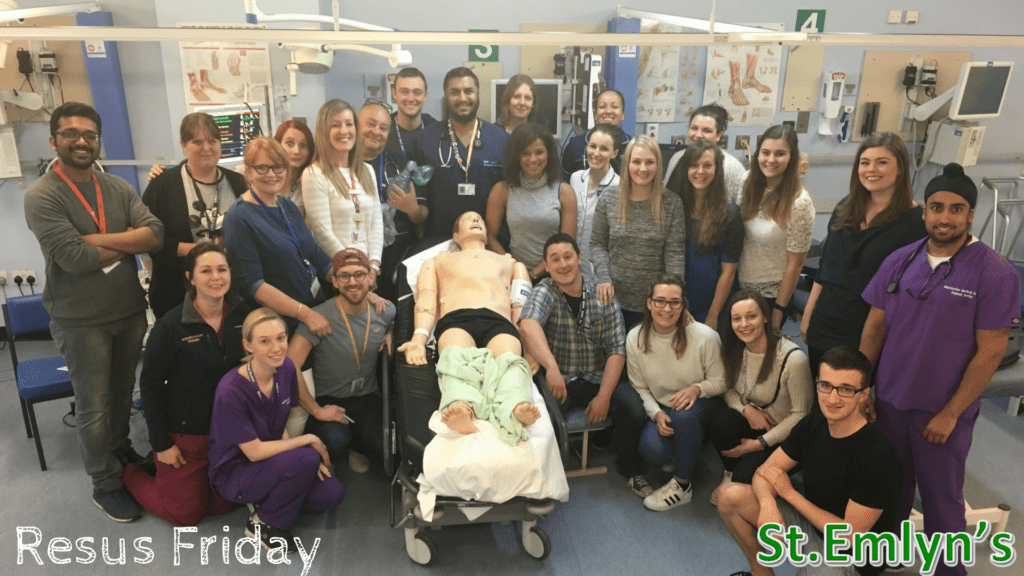
A 2017 ResusFriday session uses simulation and shared learning to examine cardiac arrest care, including team roles, reversible causes and dual-axis defibrillation. The post explains why enthusiasm for the latter needed to be tempered by the limited evidence available then.
What happens beyond initial survival after cardiac arrest? This 2017 review of Danish registry data explores associations between bystander CPR or defibrillation and longer-term outcomes, emphasising that the analysis concerns 30-day survivors and cannot establish causation on its own.
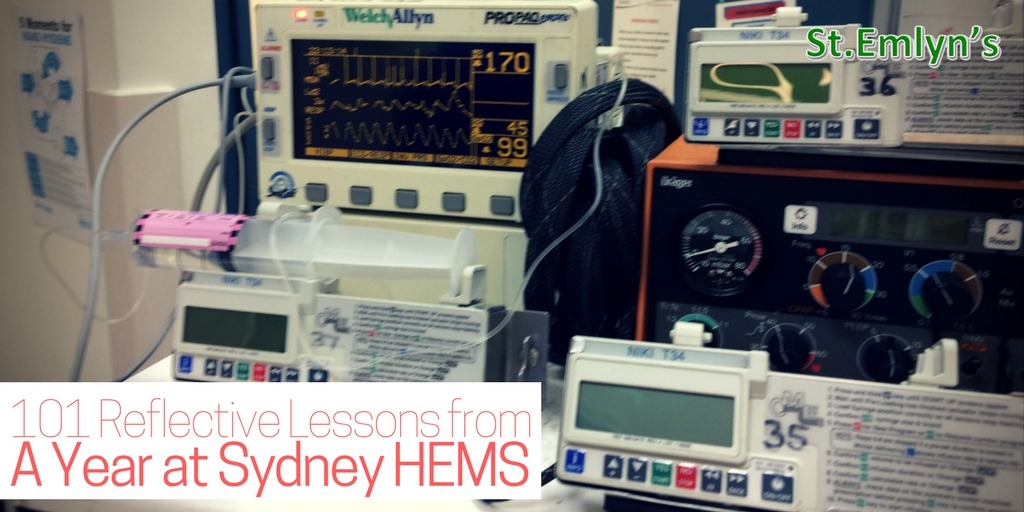
Preparing a critically ill patient for transfer brings challenges that can be less obvious at the bedside. In this third Sydney HEMS reflection, Natalie May explores sedation, ventilation, physiological preparation and contingency planning through lessons from interhospital retrievals.