Choosing a journal means thinking beyond impact factors. Part one of this series asks who needs your research, how regional readership and access costs affect its reach, and how authors can consider audiences in low- and middle-income countries when deciding where to publish.
Who gets the opportunity to become an author? Part three of the equitable publishing series explores fair authorship, mentorship and sponsorship, with practical ways to support junior researchers and widen opportunities beyond the colleagues already in our immediate networks.
A practical starting point for students and clinicians interested in emergency care research. Thomas Shanahan, Edd Carlton and Samantha Jones discuss finding a worthwhile question, contributing to local studies, seeking mentorship, joining collaborative networks and developing critical appraisal and writing skills.
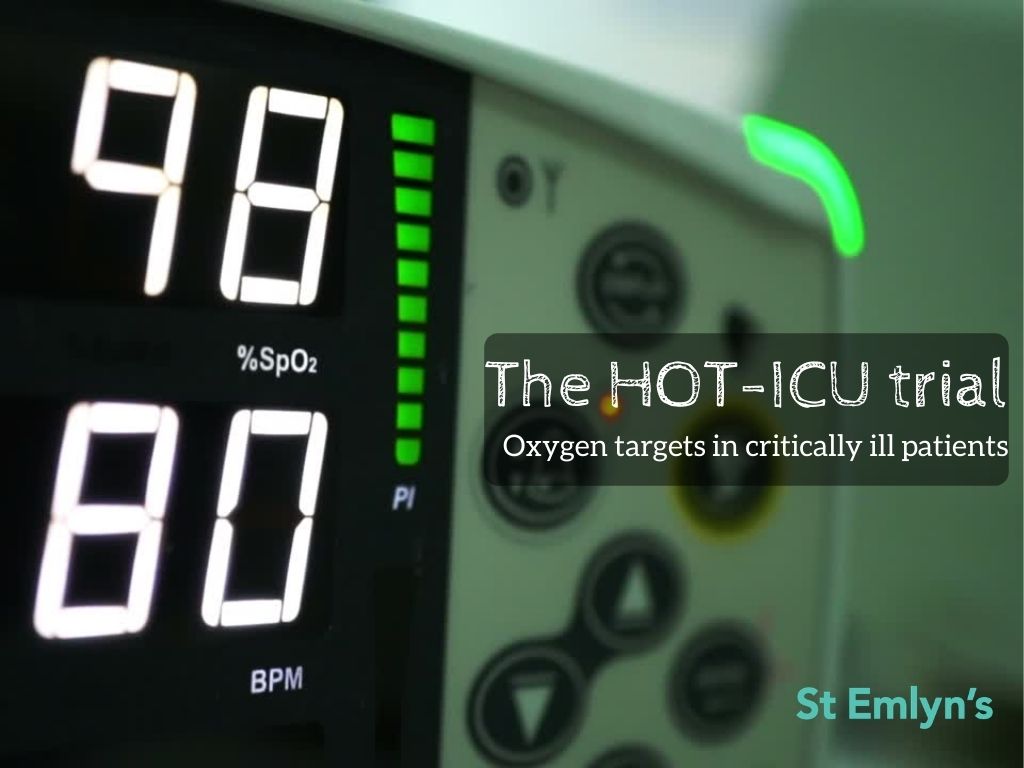
How much oxygen should critically ill patients receive? This January 2021 review of HOT-ICU examines lower versus higher oxygen targets in adults with hypoxic respiratory failure, the absence of a 90-day mortality difference and uncertainty about applying the findings to different patient groups.
How can academics make their work easier to find, understand and discuss online? Simon Carley offers a practical introduction to professional profiles, collaboration, adapting research for different media and curating an online presence, while considering the risks of echo chambers and amplification.
How should trainee experience shape emergency medicine research priorities? Rob Hirst describes TERN's 2020 priority-setting project, explains the Delphi consensus process and considers why the questions trainees encounter may differ from those emphasised by other professional groups.