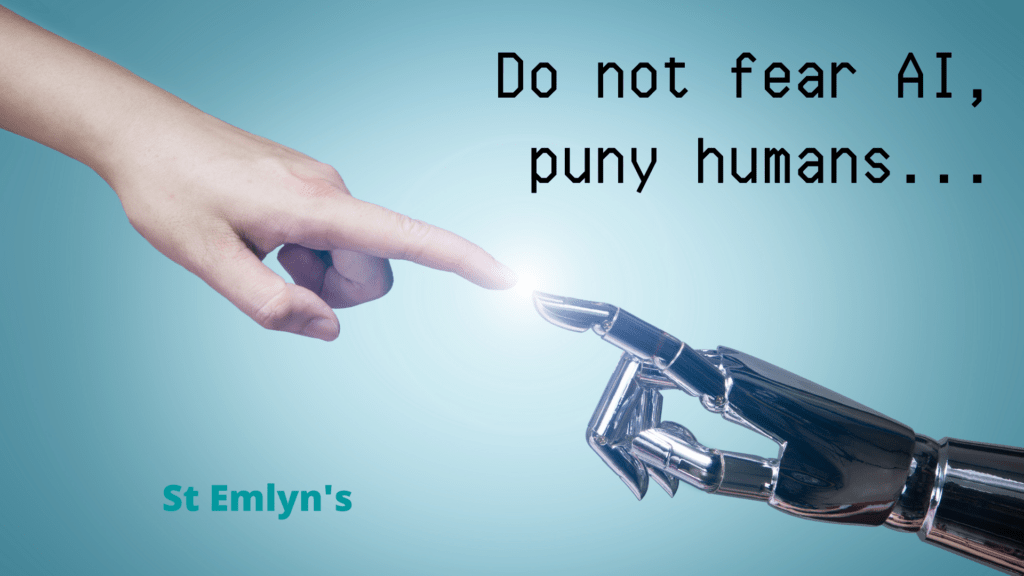
A 2023 interview with ChatGPT explores how language models work and their possible uses in emergency medicine and education. The discussion considers limitations, misleading answers and human judgement, alongside the author's reflections on using AI in everyday work.
How might research design, real-world data and artificial intelligence change evidence-based medicine? This 2023 discussion of Vivek Subbiah's Nature Medicine article considers implications for emergency care, with an additional experiment: ChatGPT helped write the post itself.
An update from July 2022 on refreshing the UK's emergency medicine research priorities through the James Lind Alliance. The post explains why the exercise was being repeated and points to related priority-setting work in prehospital care and major trauma.
How can doctors make emergency care research part of their careers? This 2022 guide compares NHS research roles and university clinical academic posts, covering training routes, funding, mentorship and practical steps towards building a research-active department.
How should patients and clinicians help decide what emergency medicine researches next? This February 2022 post introduces a renewed James Lind Alliance priority-setting exercise, reflecting on earlier funded questions and explaining how ideas were gathered for the next round.
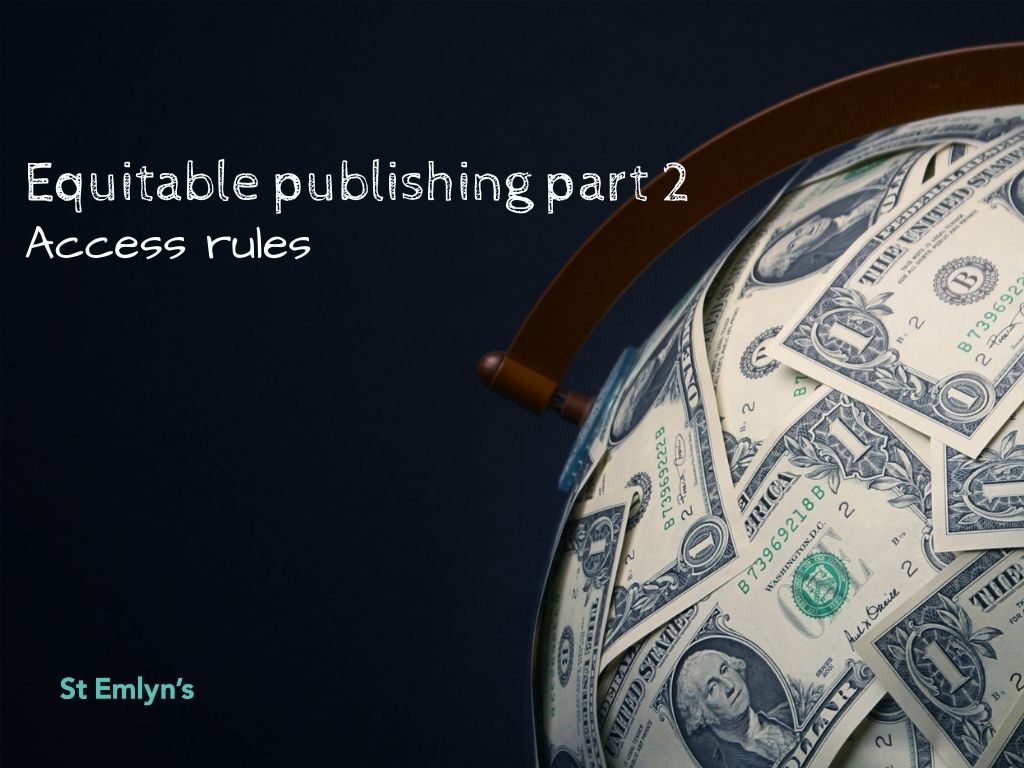
What does access to a research paper cost its intended readers? Part two of this series explores purchasing power, publication fees and barriers faced in lower-income countries, then considers green open access, self-archiving and preprints as routes to wider dissemination.