A tempting publication offer can leave an inexperienced author with an unexpected bill and an unusable paper. Mike Charlesworth and Lee Feddy argue that deception, inadequate supervision and poor journal selection deserve attention, rather than blaming open access itself.
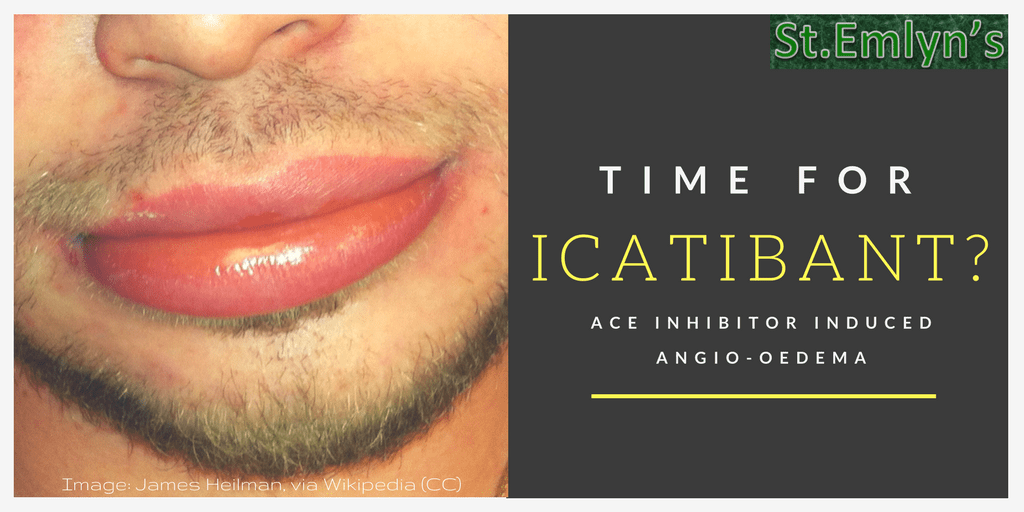
Does icatibant help ACE inhibitor-associated angioedema? This 2017 review contrasts an encouraging small trial with a larger placebo-controlled study that found no faster recovery, while explaining why its results cannot settle treatment for immediately life-threatening cases.
Can statistical checks uncover unreliable clinical research? This 2017 discussion examines John Carlisle’s analysis of baseline data in randomised trials, considering errors, possible fabrication and the responsibilities of journals, while cautioning that an unusual result is not proof of fraud.
Who should pay for access to medical research? Mike Charlesworth and Lee Feddy weigh subscription fees, open-access publication charges and barriers for unfunded researchers, then ask what medical journals could learn from the business models of digital entertainment services.
Can procalcitonin reliably guide antibiotic decisions in the emergency department? This 2017 review traces the biomarker’s evidence across adults, children and intensive care, explaining why different populations, study questions and uncertain effects on outcomes complicate apparently promising results.
A selection of trauma papers from 2016–17 explores whole-body CT, traumatic brain injury, coagulopathy, cardiac arrest and airway care. This Trauma Care conference companion weighs findings against study limitations and asks which results might meaningfully change emergency practice.