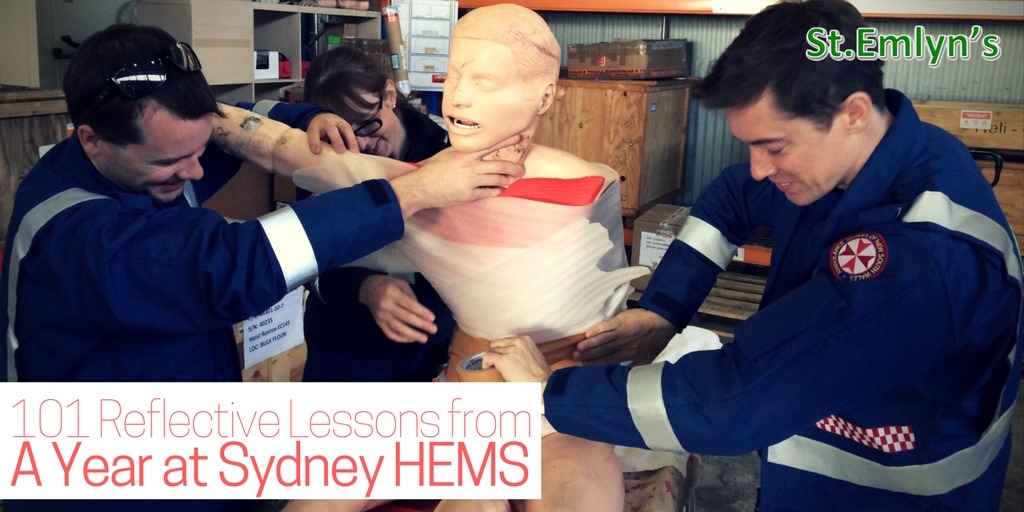
Small interpersonal habits matter when teams work under pressure. In the second Sydney HEMS reflection, Natalie May explores introductions, shared plans, checklists, fatigue and learning from mistakes, showing how everyday communication can support colleagues during demanding retrieval work.
What can a year with Sydney HEMS teach an emergency medicine educator? Natalie May reflects on trust, training with the people you work alongside, purposeful simulation and shared learning, including how teams can turn clinical governance and debriefing into useful educational experiences.
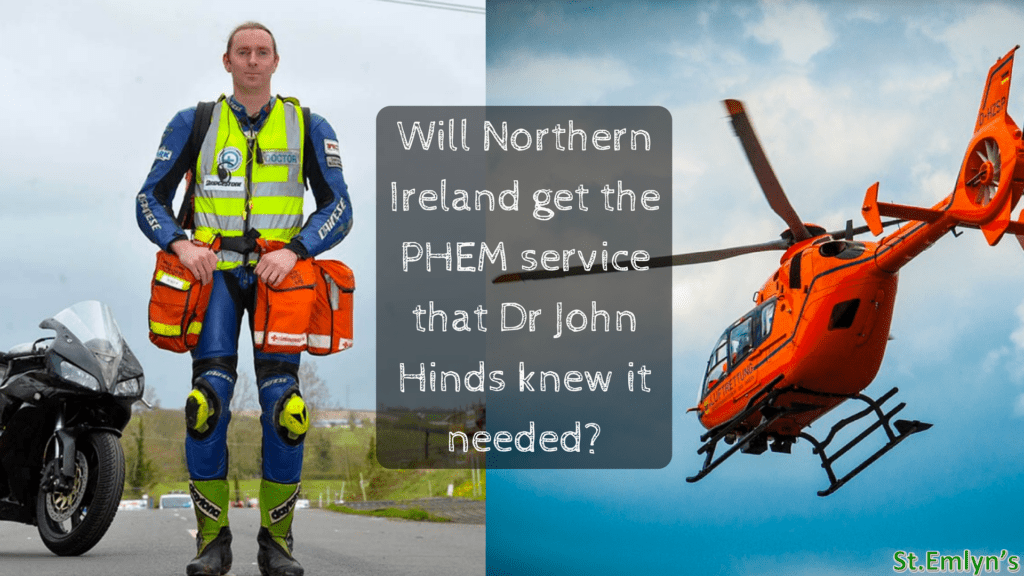
An archived account of the 2016 campaign for a physician-paramedic helicopter service in Northern Ireland, inspired by Dr John Hinds. The post explains the staffing argument and includes a subsequent update reporting the health minister’s support for a physician-based model.
Rich Carden and Chris Gray reflect on SMACC Dublin in 2016 from a trainee perspective. Their account connects clinical debate and diagnostic reasoning with fear, wellbeing, gender equity and the personal encounters that made the conference a reflective as well as educational experience.
What can hospital educators learn from prehospital training? Drawing on her experience with Sydney HEMS, Natalie May explores team induction, maintaining competence and a supportive learning culture, asking how simulation, regular practice and case review could strengthen education inside the emergency department.
Natalie May’s SMACC Dublin workshop notes review the 2015 paediatric and neonatal resuscitation guidelines. This historical teaching resource covers airway and ventilation, unexpected deliveries, care after resuscitation and communication with families, explaining why newborn resuscitation needs particular preparation.