Rusty Carroll shares a personal account of post-traumatic stress in emergency care, describing its effects on work, relationships and everyday life. His reflection explores recognising distress, seeking help and the importance of family, colleagues and a workplace culture that supports staff through psychological injury.
How can reflection become useful learning rather than a compulsory portfolio exercise? Natalie May explores planned and spontaneous reflection, patient follow-up, feedback and the biases that shape our accounts. Her article and accompanying podcast consider how educators can create safer, more meaningful opportunities to learn from practice.
Chris Gray reports from the 2018 Northern Emergency Medicine conference in Durham. The programme connects end-of-life care, frailty and prehospital developments with workforce roles, burnout and major-incident preparation. Reflections on the Manchester attack underline the importance of understanding both the response plan and support for colleagues.
The St Emlyn’s team looks back on 2017 through favourite blogs, podcasts, books and conferences. Alongside clinical and educational discoveries, contributors reflect on friendship, workload, wellbeing and the experiences that shaped their year, before sharing hopes and plans for 2018.
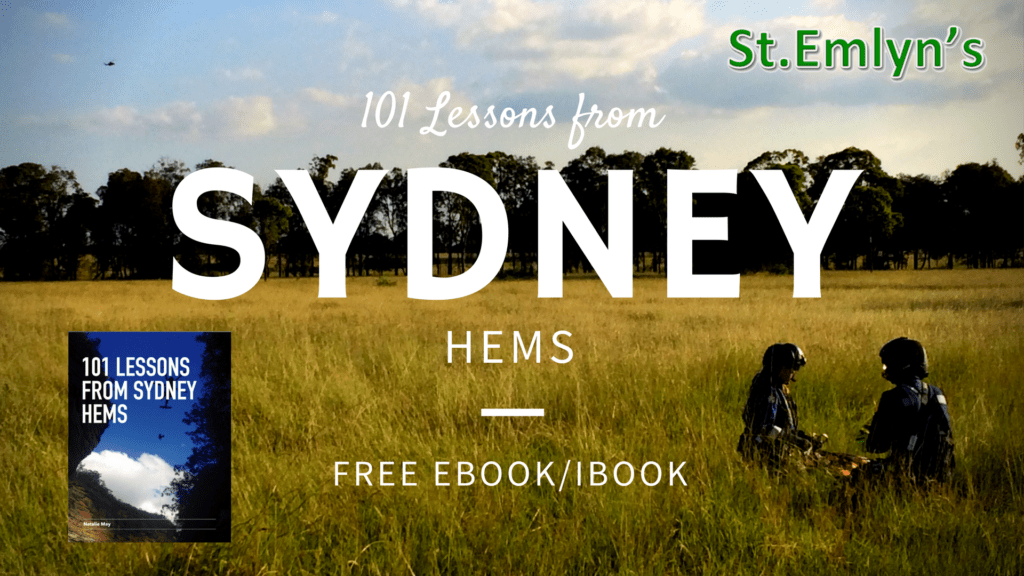
Natalie May introduces the e-book collecting her reflections from Sydney HEMS, with 104 lessons drawn from the original blog series. This 2017 announcement explains the collection’s additional photographs, foreword and chapter on entering prehospital and retrieval medicine, and links back to the seven source posts.
The Virchester ‘ED Spa’ offers staff a non-clinical space to pause, recover and connect. This account explains how the room developed and how the five ways to wellbeing shaped its activities, from a gratitude tree and shared library to supporting colleagues through difficult shifts.