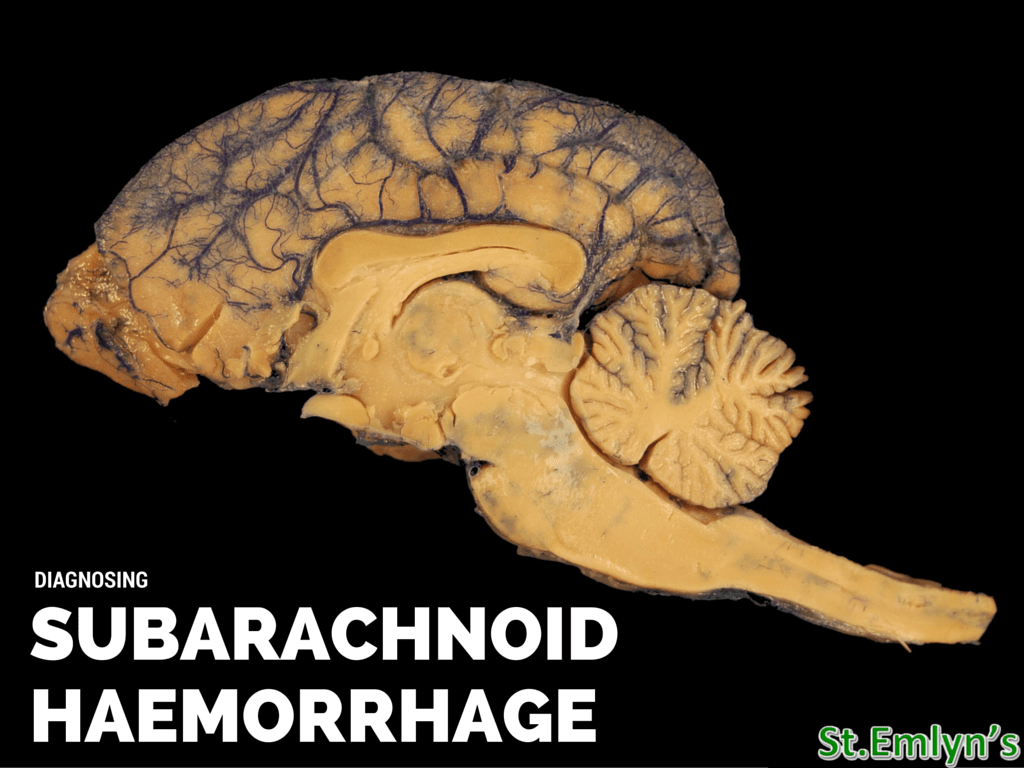
There is no doubt that sub-arachnoid haemorrhage is an important diagnosis in the emergency department. It is arguably especially important in the cohort of patients who present with lesser signs/symptoms as they are the group in whom preventative measures may be effective.
I am sure you all saw the recent MHRA press release and guidance, discussing the issue of a possible link between the AstraZeneca COVID19 vaccine and a rare type of thrombotic condition of Vaccine induced thrombocytopenic thrombosis (VITT). This is a good example of why it is important to use the yellow card reporting system and a reminder to us all why we ideally need phase 4 research studies (post marketing surveillance) in non-pandemic times.
We see a lot of patients in the ED with a history of what sounds very much like a transient ischaemic event (TIA). By definition the patient will have had resolution of their symptoms/signs and so there is no apparent need for immediate intervention, but we also know that a TIA may be precursor to a larger and thus more serious stroke.
Headache is a pretty common reason for presentation to the Emergency Department - so common, in fact, that it has two curriculum sections of its own (and we've already produced an induction post about headaches that you can find here). It can be tricky to find the risk/benefit balance for these patients given the host of possible nasty underlying pathologies headaches might represent, particularly when arranging MR scans can be difficult and/or delayed and CT scans mean a hefty radiation dose.
subarachnoid management and diagnosis in the emergency department. St.Emlyn's controversies in the use of CT scanning lumbar puncture LP and medical therapy.