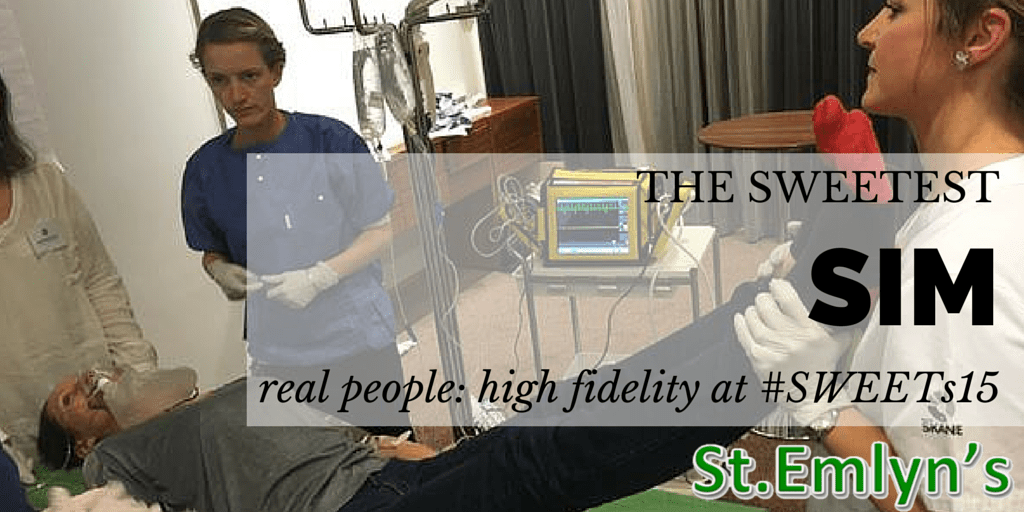
What changes when the simulated patient is a person rather than a mannequin? After playing a patient at SWEETs 2015, Natalie May reflects on explanations, emotional needs and patient feedback, alongside the educational benefits of clinician actors and the responsibility to protect their comfort and safety.
Iain Beardsell talks with Mark Wilson about GoodSAM at the London Trauma Conference. Published in 2015, this podcast post builds on the app’s original aim of alerting nearby trained responders to emergencies, with links to its introduction and related prehospital teaching.
In this 2014 guest post, Mark Wilson explains the origins of GoodSAM: connecting nearby trained responders with emergencies before an ambulance arrives. He describes the thinking behind the app, its early defibrillator mapping and questions about responder participation, registration and indemnity during the project’s development.
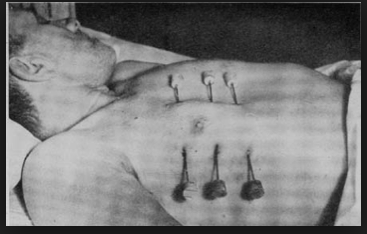
Could surgical fixation help patients with flail chest who need ventilatory support? This 2013 journal club examines a small study using historical controls, exploring promising findings alongside selection bias, differences between groups and the need for stronger comparative evidence.
Mike Cadogan’s SMACC 2013 presentation explores learning through social media. This brief introduction points readers to the talk and recognises his role in founding Life in the Fast Lane and helping St Emlyn’s get started.
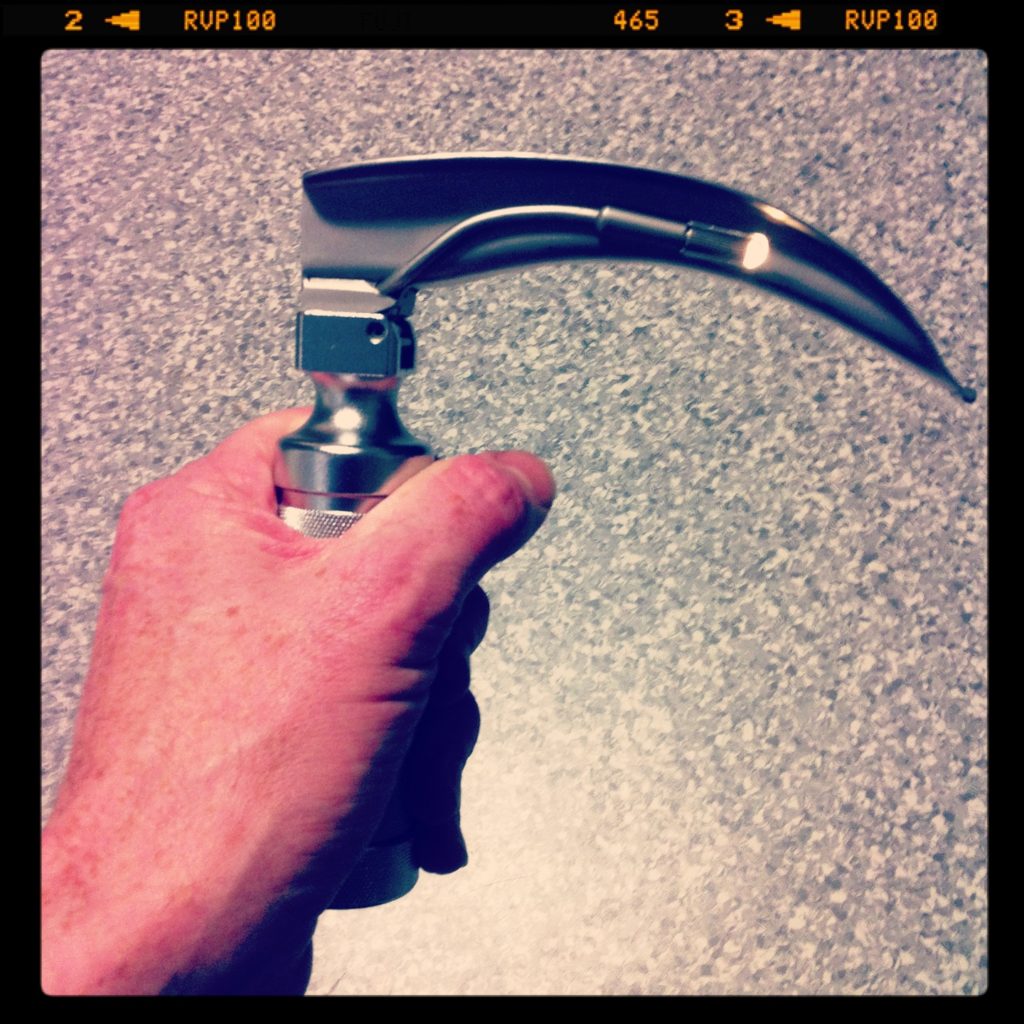
Do we judge evidence for a new device differently from evidence for a new drug? Following a 2013 debate about video laryngoscopy, this reflection examines enthusiasm, prior beliefs and patient outcomes, arguing for consistent standards when assessing clinical technologies.