What forces might reshape emergency medicine over the next two decades? This companion to Simon Carley’s 2016 SMACC Dublin presentation introduces three linked discussions of demographics, technology and politics, inviting readers to look beyond today’s clinical workload to the specialty’s future.
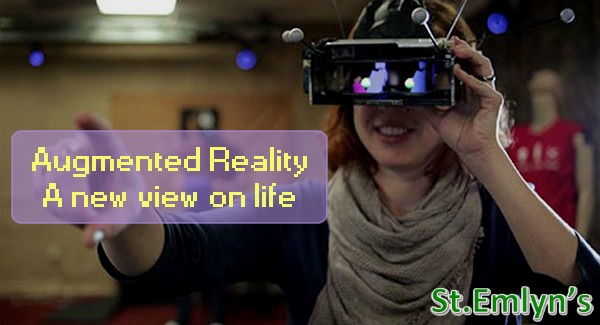
Could augmented reality change clinical practice and medical education? This 2016 overview moves from vein imaging to surgical training and proposed uses in emergency care, distinguishing early applications from future possibilities and noting where evidence of benefit remained uncertain.
Who shapes the work of an emergency physician beyond the resuscitation room? In the third part of this 2016 series, Simon Carley explores funding, targets, specialist services and workforce pressures, asking how political and organisational choices might change the scope of emergency medicine.
How might technology change what counts as an emergency? This 2016 essay explores wearable monitoring, diagnostic decision support and the shift towards predicting disease, while questioning overdiagnosis, unequal access and the opportunity costs of investing in new clinical technologies.
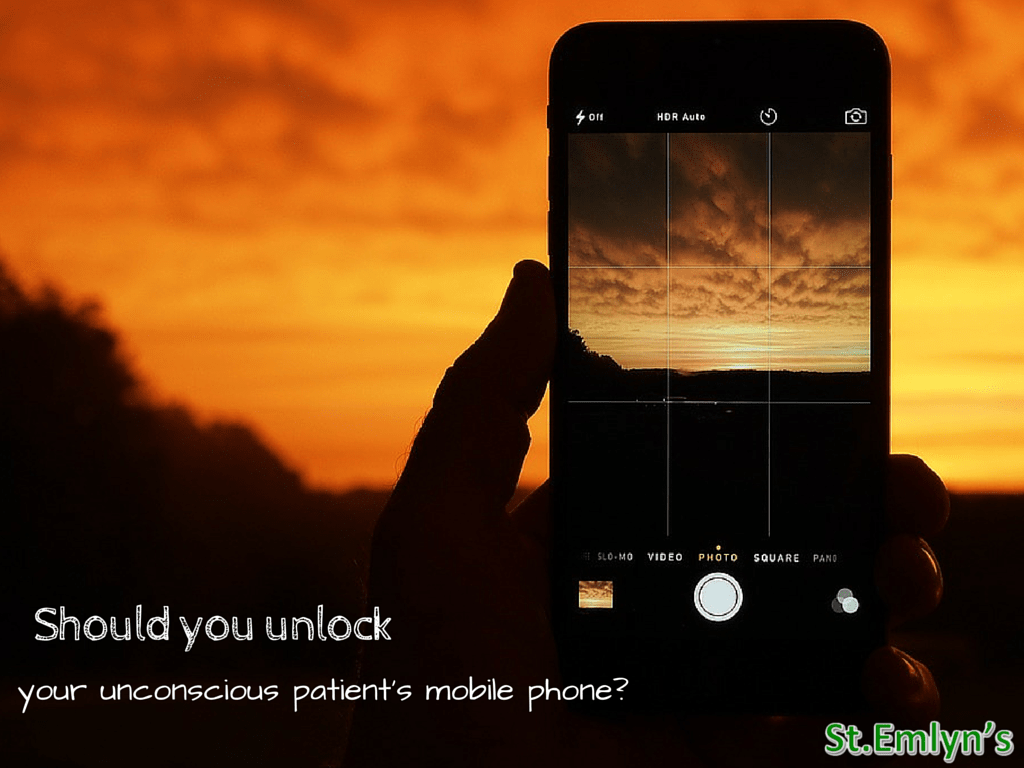
Should clinicians unlock an unconscious patient’s phone to help identify them? This 2016 ethical and legal discussion explores the tension between useful clinical information, privacy and consent, using a hypothetical emergency department case to ask whether access is necessary and what remains uncertain.
Do vein-finding devices improve first-attempt cannulation in children? This 2015 appraisal compares ultrasound, near-infrared imaging and standard practice in a Canadian emergency department trial. It examines staff training, sample size and generalisability, asking whether better vein visualisation translates into better outcomes.