Simon Carley brings together ten trauma papers and resources for the 2019 TraumaUK conference. The selection spans prehospital plasma, airway management, resuscitation, head injury, emergency laparotomy and paediatric splenic injury, ending with the Zero Point Survey and preparation before resuscitation begins.
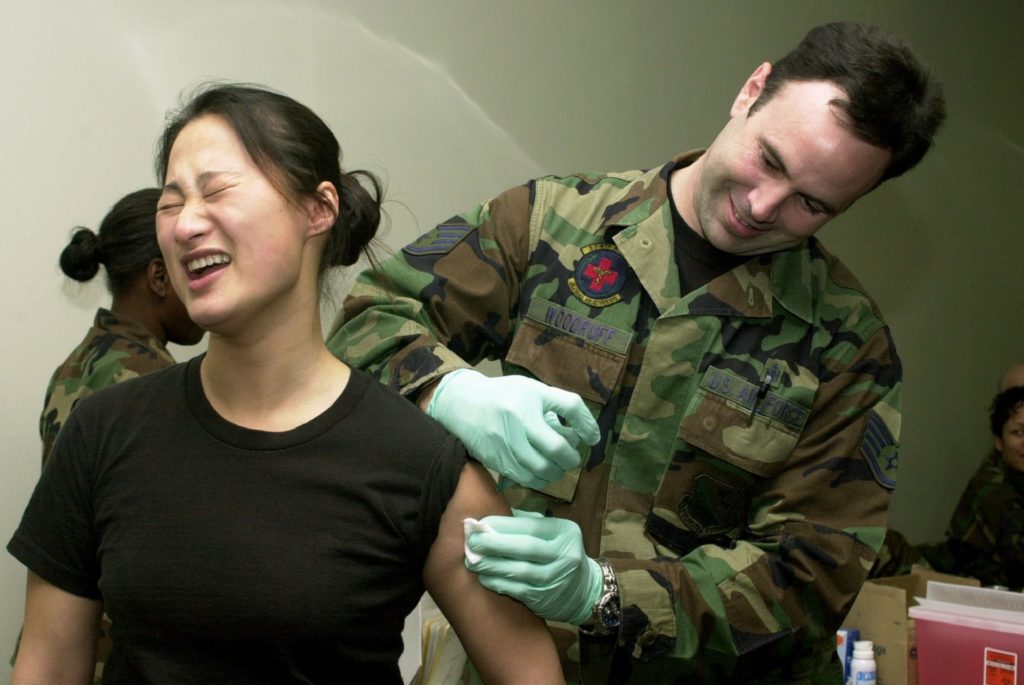
This January 2019 update examines the November 2018 changes to the UK Green Book’s tetanus guidance. Chris Gray discusses wound classification, vaccination and immunoglobulin recommendations, then considers the evidence and unanswered questions behind those changes. It is a historical guideline discussion.
Does early hypothermia improve outcomes after traumatic brain injury? This review of the 2018 POLAR trial examines its patient selection, cooling strategy and six-month neurological outcomes. It discusses the absence of demonstrated benefit in this population and why the findings cannot answer every question about rescue cooling.
How should teams approach apparently devastating brain injury when early prognosis is uncertain? This 2018 article and podcast explore guidance on initial care, conversations with families and the risk of premature treatment limitation. They also consider the practical tensions around specialist transfer, intensive-care capacity and organ donation.
This 2017 introduction explains tetanus, immunisation history and the assessment of wounds in the emergency department. It also discusses recognising clinical tetanus, but explicitly flags that UK management guidance has changed and directs readers to a later update.
When a senior emergency physician becomes a patient in his own department, familiarity and deference can complicate care. Andy Volans shares his experience and reflects on careful history-taking, consistent assessment and the risks of giving colleagues a different kind of treatment.