How should teams approach apparently devastating brain injury when early prognosis is uncertain? This 2018 article and podcast explore guidance on initial care, conversations with families and the risk of premature treatment limitation. They also consider the practical tensions around specialist transfer, intensive-care capacity and organ donation.
This 2017 introduction explains tetanus, immunisation history and the assessment of wounds in the emergency department. It also discusses recognising clinical tetanus, but explicitly flags that UK management guidance has changed and directs readers to a later update.
When a senior emergency physician becomes a patient in his own department, familiarity and deference can complicate care. Andy Volans shares his experience and reflects on careful history-taking, consistent assessment and the risks of giving colleagues a different kind of treatment.
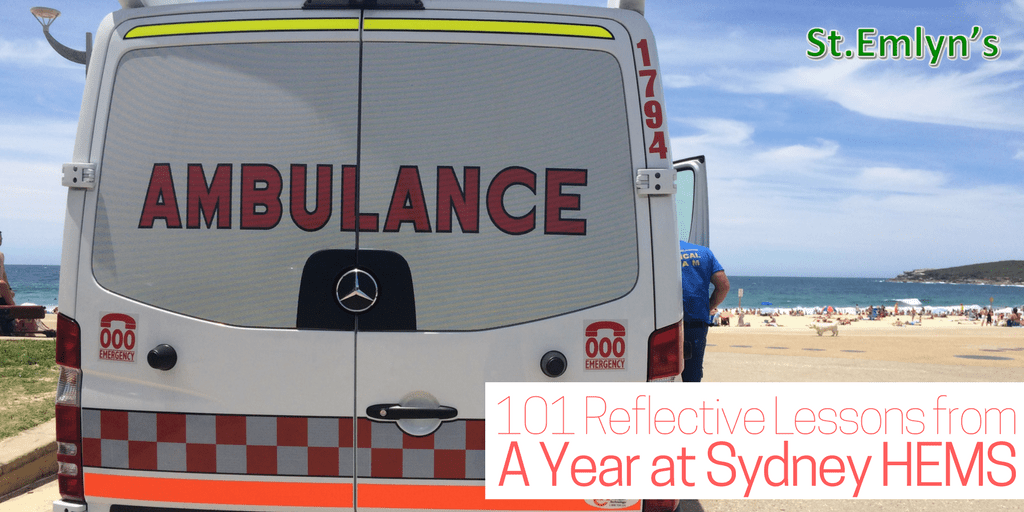
Natalie May continues her reflections on a year with Sydney HEMS, focusing on paediatric retrieval, drowning and airway care. These personal clinical lessons explore equipment, communication and the compromises involved in delivering critical care outside the hospital.
Moving a critically ill patient from the ED can be a high-risk part of their care. Natalie May and Simon Carley’s podcast notes explore patient preparation, equipment, team selection and handover, with contingency plans for delays, deterioration and airway problems.
What can UK registry data tell us about traumatic cardiac arrest? This 2016 appraisal examines survival and injury patterns in TARN, while explaining why observational associations cannot establish which interventions work and why different causes may require different approaches.