Recorded at the London Trauma Conference in 2014, Iain Beardsell and Gareth Davies discuss impact brain apnoea after head injury. They explore the proposed physiology, difficulties in gathering evidence and the potential role of bystanders and early responders in addressing airway and breathing problems.
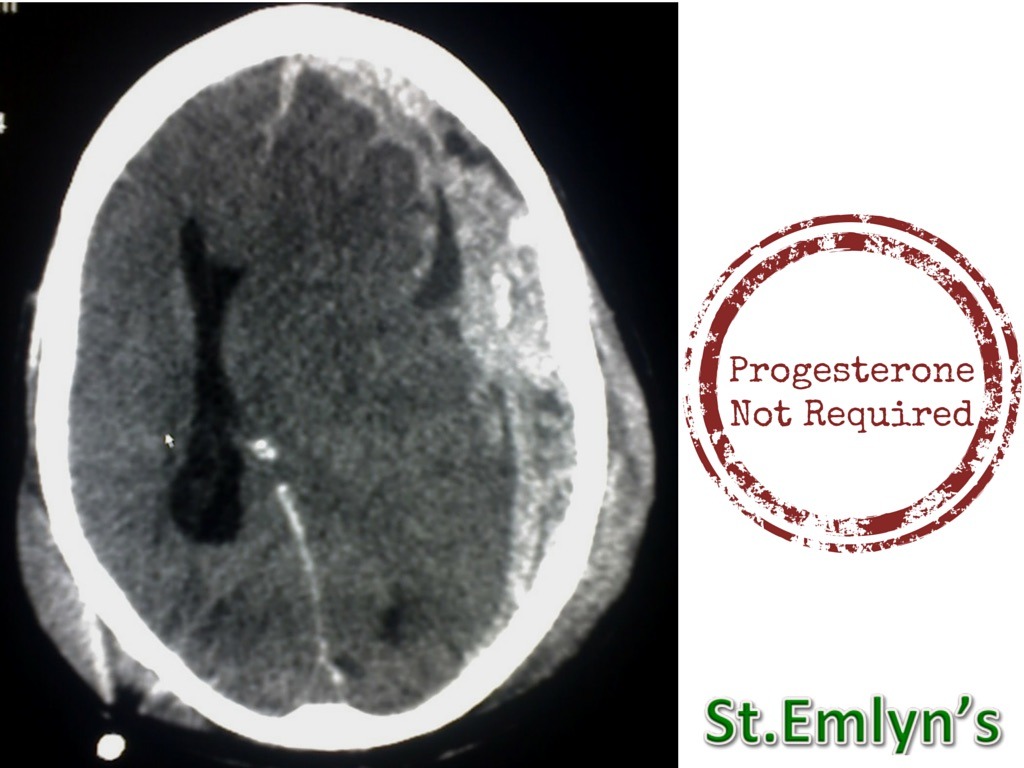
Why did progesterone’s promise in experimental brain injury fail to translate into benefit in a large clinical trial? This 2014 journal club examines patient selection, randomisation, anticipated treatment effects and stopping for futility, using the study to explore the challenges of translating laboratory findings into patient care.
Iain Beardsell and neurointensive care consultant John Hell discuss diffuse axonal injury in this 2014 podcast. Using a hypothetical injured cyclist, they explore the underlying mechanisms, why initial imaging may reveal little, the evolution of secondary injury and the difficulty of predicting recovery for an individual patient.
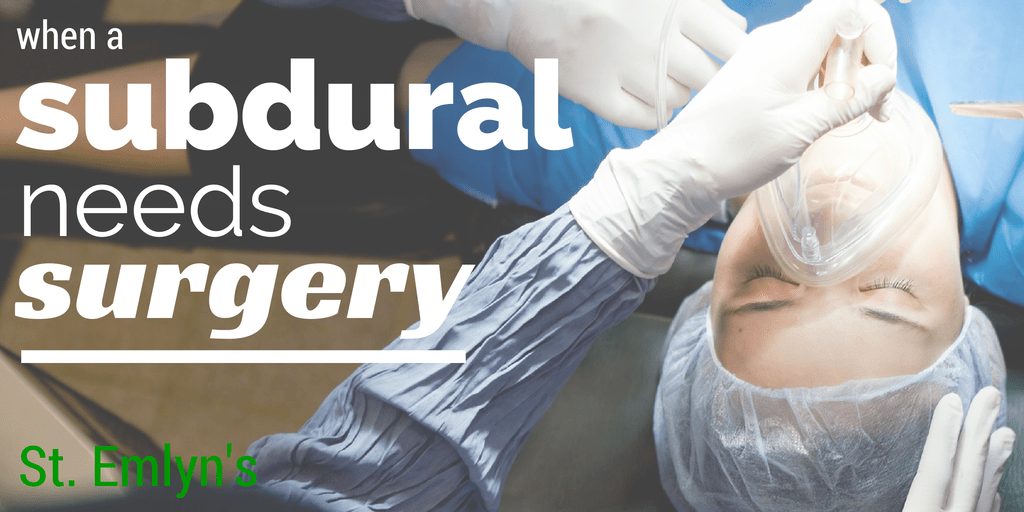
Can CT measurements identify which older patients with acute subdural haematoma need neurosurgical referral? This 2014 journal club examines a proposed decision tool, questioning selection bias, measurement reliability and how a ‘surgical’ bleed was defined, and explaining why promising retrospective findings still need validation.
A 2014 podcast introduction on trauma team leadership and the challenge of moving patients from ED arrival to CT within 30 minutes. The post places that goal alongside UK trauma standards of the time and includes a trauma transfer checklist to support the discussion.
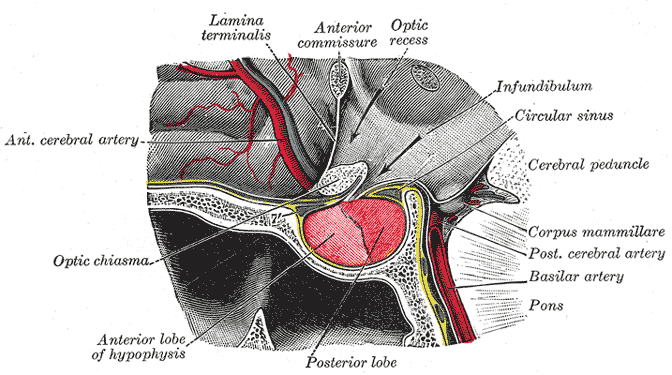
How common is pituitary dysfunction after serious head injury, and what should clinicians do about it? This 2014 journal club reviews a meta-analysis of patients requiring critical care, distinguishing evidence of endocrine abnormalities from unanswered questions about screening, treatment and outcomes.