A personal reflection on privilege, social bias and the limits of one's own perspective. Drawing on experiences in medicine and South Africa, the author examines uncomfortable conversations, unconscious bias and the need to listen to colleagues whose opportunities and experiences have been different.
An April 2020 teaching model for thinking about infection control around patients with suspected COVID-19. Thomas Bannister and Simon Carley use a ‘bubble’ analogy to discuss equipment, communication, patient transfers and the challenge of changing familiar clinical habits during the first wave.
How can a hospital improve patient flow when beds, staff and resources are stretched? This appraisal examines Yeovil's whole-hospital design science project, including shared goals, multidisciplinary routines and reported improvements in flow, while considering how the approach might translate to other hospitals.
Why can a satisfying day of emergency procedures be a patient's worst day? Simon Carley's DFTB talk and accompanying reflection examine that tension, the motives behind interventions and the emotional support clinicians and learners need when a resuscitation becomes difficult or ends badly.
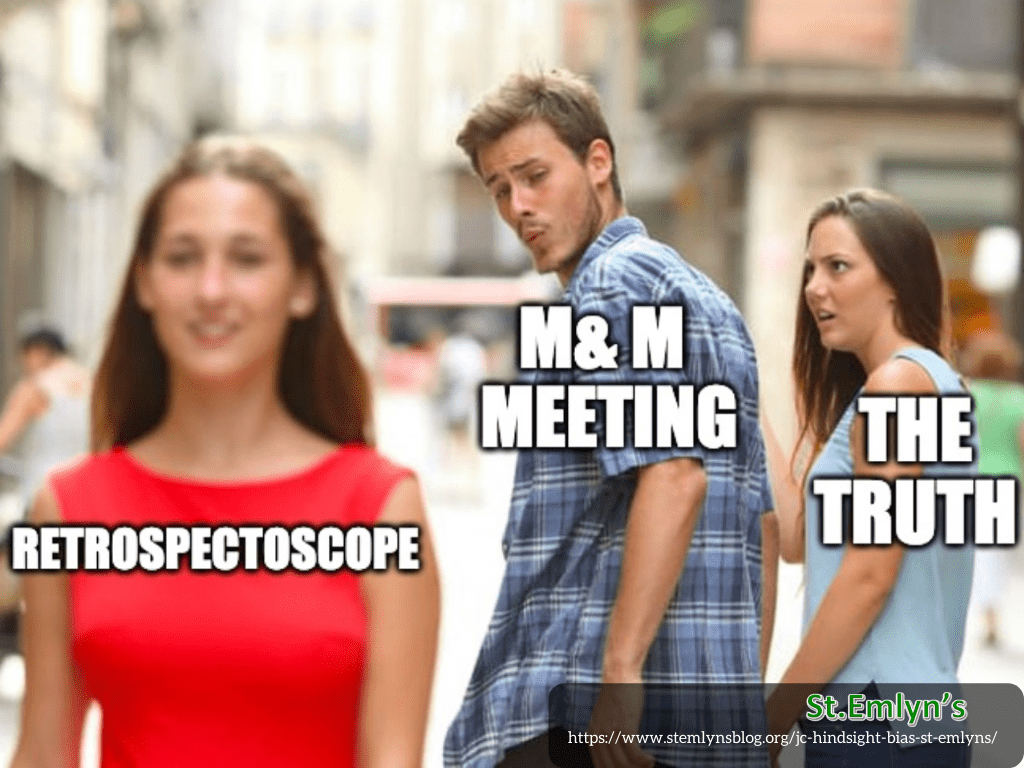
Does knowing that a patient died change how we judge their earlier care? This appraisal examines a study in which clinicians rated the same cases with different outcomes, then considers what hindsight bias means for reflection, feedback and fair discussion of difficult emergency medicine cases.
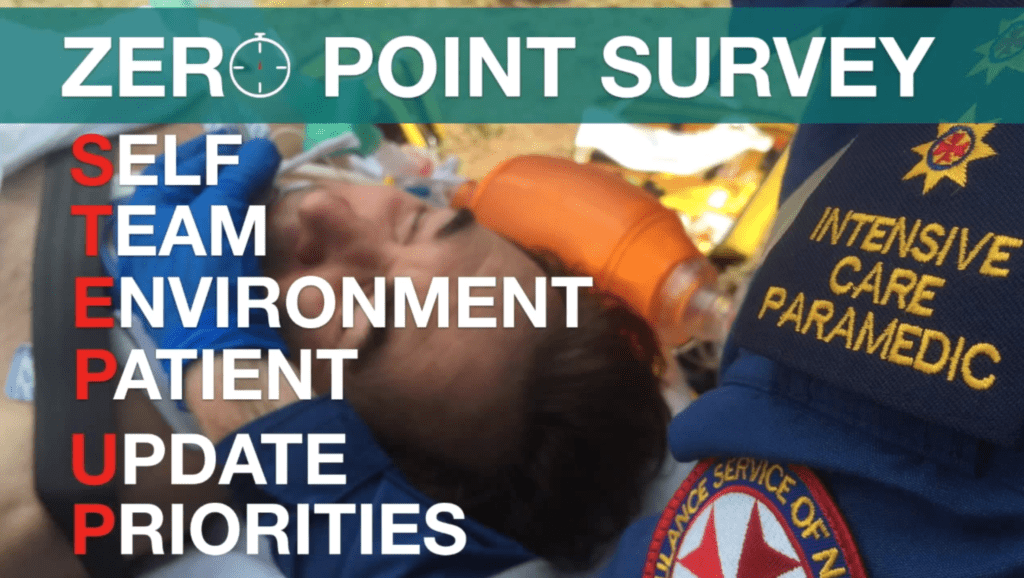
Cliff Reid demonstrates the Zero Point Survey in a video showing its use in prehospital and hospital settings. The post introduces the STEPUP framework as a structured approach to preparing for and beginning the care of critically ill patients.