Can an observational study overturn the findings of a large randomised trial? This 2014 journal club examines a report questioning tranexamic acid in severe trauma, focusing on treatment selection, excluded early deaths and confounding as reasons to question a striking apparent association with harm.
Could medical scribes improve emergency department workflow? In this 2014 journal club, Natalie May and Damian Roland examine a before-and-after study involving electronic ordering and scribes, questioning causality, the practical significance of time savings and the implications for documentation accuracy and UK practice.
Does improving an acid–base measurement demonstrate that a resuscitation fluid is better for patients? This 2014 journal club examines a small trial comparing Plasma-Lyte with saline in major trauma, exploring surrogate outcomes, fluid volumes and why the findings could not establish a benefit in patient-centred outcomes.
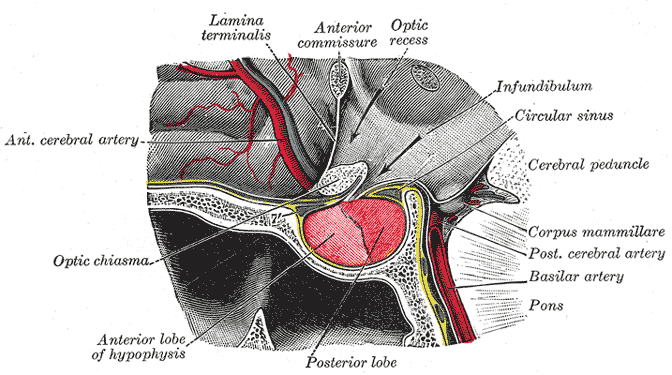
How common is pituitary dysfunction after serious head injury, and what should clinicians do about it? This 2014 journal club reviews a meta-analysis of patients requiring critical care, distinguishing evidence of endocrine abnormalities from unanswered questions about screening, treatment and outcomes.
Rick Body introduces the original Manchester Acute Coronary Syndromes decision rule in this 2014 research report. He explains its derivation and external validation, how clinical features and biomarkers contribute to risk assessment, and the questions that still needed answering before routine use.
PECARN, CHALICE or CATCH: how should we compare decision rules for children with head injuries? This 2014 journal club examines a prospective comparison, weighing sensitivity against specificity and exploring how sample size, confidence intervals and the handling of observation affect the apparent winner.