How well do prehospital triage tools identify major trauma in children? This 2014 journal club examines a PERUKI study, exploring over-triage, the uncertainty created by very few seriously injured patients, and the problem of testing ambulance tools in children who arrived without an ambulance.
Could ROTEM help identify coagulation problems beyond trauma patients in the resuscitation room? This 2014 journal club reviews a small study in hypovolaemic shock, examining recruitment difficulties, the distinction between correlation and agreement, and the limits of an early proof-of-concept study.
A short reading guide to two reviews of resuscitation research from 2013. The linked papers cover topics ranging from cardiac arrest prevention, basic life support and education to advanced life support, post-resuscitation care, prognostication and cardiac arrest centres.
A 2014 journal club examines falling severe-sepsis mortality across Australian and New Zealand intensive care units between 2000 and 2012. It asks what improving outcomes might tell us about the whole package of care, while distinguishing historical comparisons from evidence for any single treatment.
Could a shorter acetylcysteine infusion make treatment for paracetamol poisoning easier to tolerate? This 2014 journal club examines a randomised trial of an accelerated regimen, separating findings about nausea and infusion reactions from the larger question of effectiveness in preventing serious liver injury.
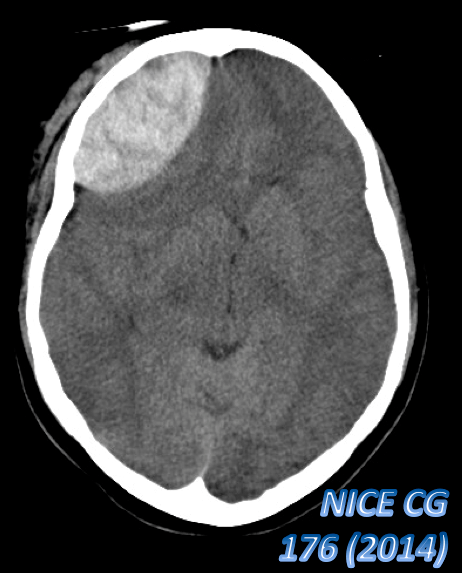
A contemporary review of NICE’s January 2014 head-injury guideline, CG176. The post explores what changed for emergency clinicians, including CT decisions in adults and children, anticoagulation, cervical spine imaging and discharge information, while discussing the evidence and uncertainties behind the recommendations.