Rick Body and Kerstin de Wit introduce the drugs then known as novel oral anticoagulants in this 2015 podcast. The first part explores how they work, their place alongside older treatments, prescribing considerations and monitoring, capturing the questions surrounding their early adoption in emergency practice.
How should a department prepare for the rare child who needs massive transfusion after trauma? This 2014 journal club examines a small retrospective series, discussing coagulopathy, the limitations of sparse evidence and the importance of planning, shared protocols and simulation for infrequent but time-critical events.
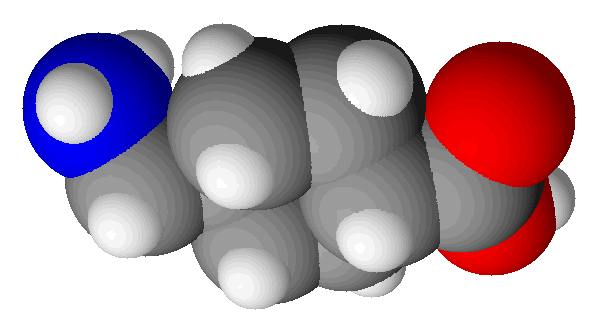
Can an observational study overturn the findings of a large randomised trial? This 2014 journal club examines a report questioning tranexamic acid in severe trauma, focusing on treatment selection, excluded early deaths and confounding as reasons to question a striking apparent association with harm.
Could ROTEM help identify coagulation problems beyond trauma patients in the resuscitation room? This 2014 journal club reviews a small study in hypovolaemic shock, examining recruitment difficulties, the distinction between correlation and agreement, and the limits of an early proof-of-concept study.
How strong was the evidence behind major transfusion protocols in trauma? This 2013 journal club examines a systematic review and meta-analysis, exploring before-and-after study bias, variation between protocols and why a statistically inconclusive pooled result may leave an important clinical question unresolved.
Does the benefit of tranexamic acid vary with a trauma patient's risk of death? This 2012 journal club discusses a CRASH-2 subgroup analysis, its implications for patient selection and the uncertainties then surrounding use before arrival at hospital.