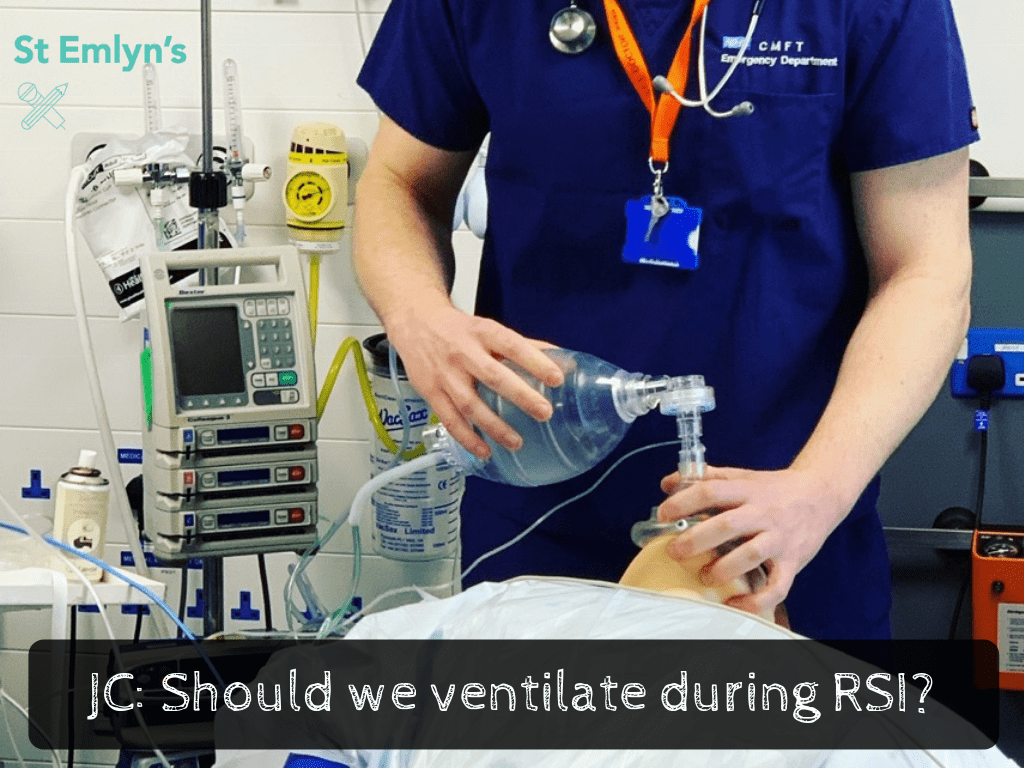
Should ventilation continue between induction and laryngoscopy during rapid sequence intubation? This 2019 appraisal examines a randomised trial in critically ill adults, weighing oxygen desaturation and aspiration outcomes against differences in technique, preoxygenation and the applicability of ICU findings to emergency departments.
How common is pulmonary embolism among patients attending the ED with syncope? Natalie May examines a 2019 analysis of Canadian and US cohorts, comparing it with PESIT and exploring how different populations, investigation practices and follow-up affect interpretation of the reported prevalence.
Simon Carley and Rick Body revisit January 2019 on the St Emlyn’s podcast. The accompanying article links include ketamine sedation, prognostication after cardiac arrest, HEMS in traumatic cardiac arrest, tetanus guidance and reflections on wellbeing and professional development.
Why do some bleeding trauma patients die after surviving the initial resuscitation? This 2019 discussion of an editorial by Karim Brohi and John Holcomb examines changing patterns of mortality, possible mechanisms of later deaths and the need to consider the whole trauma system.
Rusty Carroll reflects on the eighteen months after completing therapy for PTSD. In this personal account, he describes returning to clinical work, rebuilding physical wellbeing and reconsidering professional identity, showing how recovery continued through everyday choices and a different relationship with work.
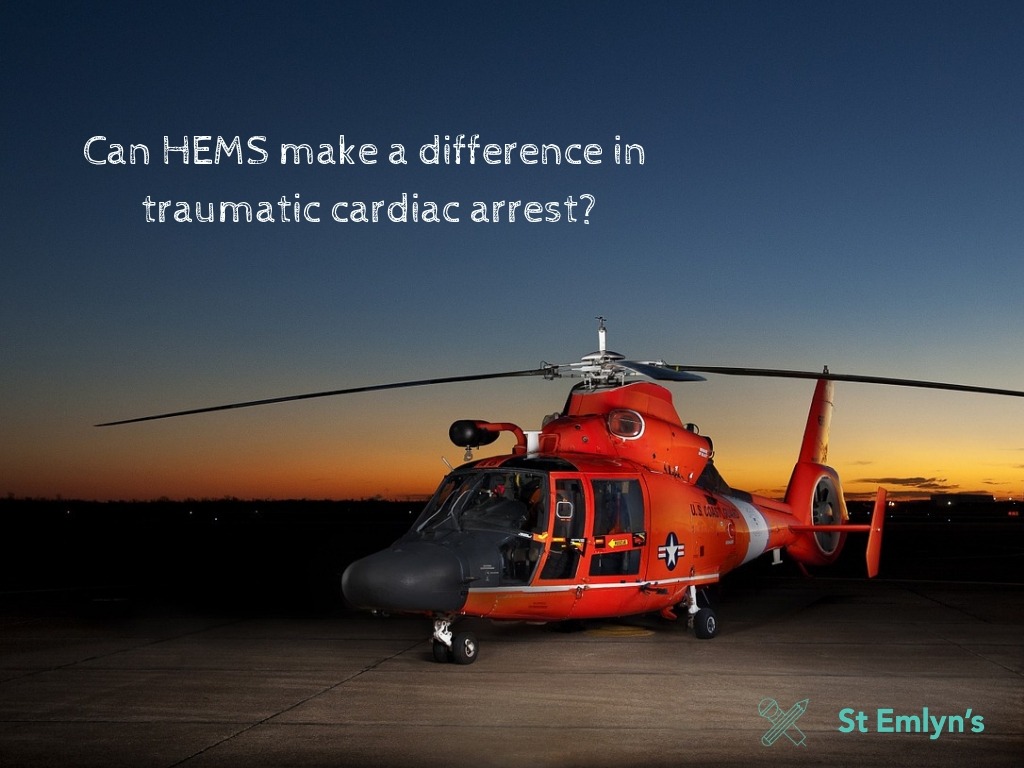
Can helicopter emergency medical services improve survival after traumatic cardiac arrest? This 2019 appraisal examines a retrospective UK cohort, distinguishing procedures and return of circulation from survival to hospital discharge, and questioning what a small, uncontrolled dataset can tell us about benefit.