What can emergency medicine learn from anaesthesia’s environmental footprint? This review of a 2019 editorial considers anaesthetic gases, equipment, waste and the wider life cycle of healthcare products, alongside the climate implications of travel for conferences and education.
This appraisal examines 2019 guidance on acute lower gastrointestinal bleeding, including risk assessment, investigation and referral. It considers the strength of the supporting evidence and how access to endoscopy and interventional radiology affects the application of recommendations in emergency care.
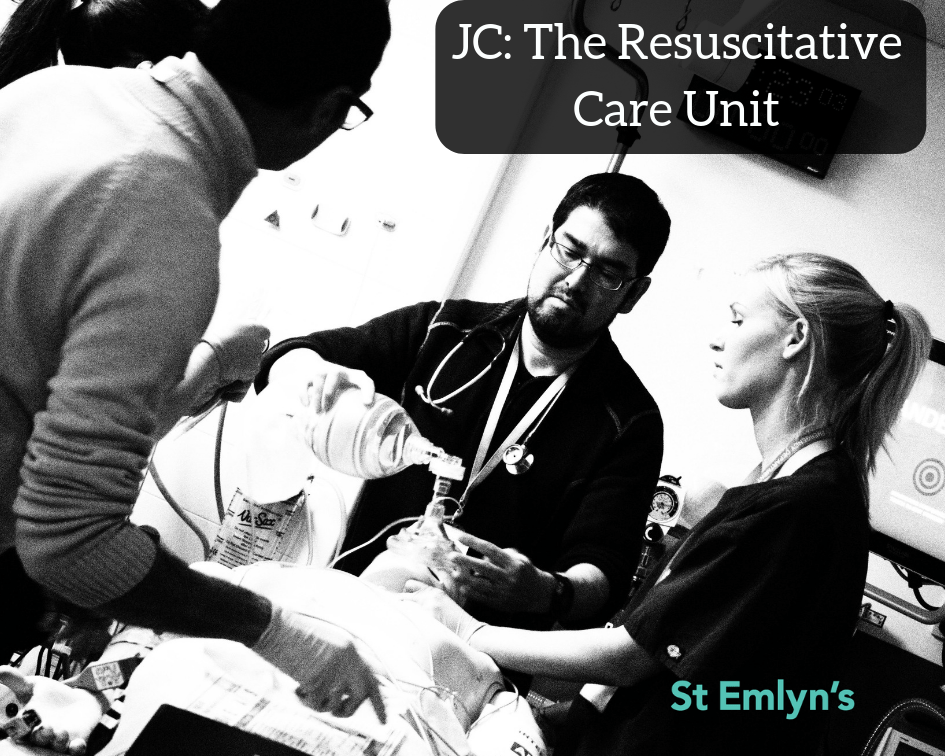
Could a resuscitative care unit bring short-term critical care closer to the emergency department? This 2019 review explores the proposed model, staffing and training requirements, its possible fit within UK services and the limitations of early outcome evidence.
Ashley Liebig draws on her experience with helicopter emergency medical services to discuss psychological performance in resuscitation. This St Emlyn’s Live talk, available as video and audio, focuses on working under pressure when decisions are urgent and information is incomplete.
Should severely injured patients receive an early vena cava filter when anticoagulant thromboprophylaxis is initially unsuitable? Dan Horner examines a 2019 randomised trial, weighing its main outcome, subgroup findings and potential harms before considering what it means for trauma care.
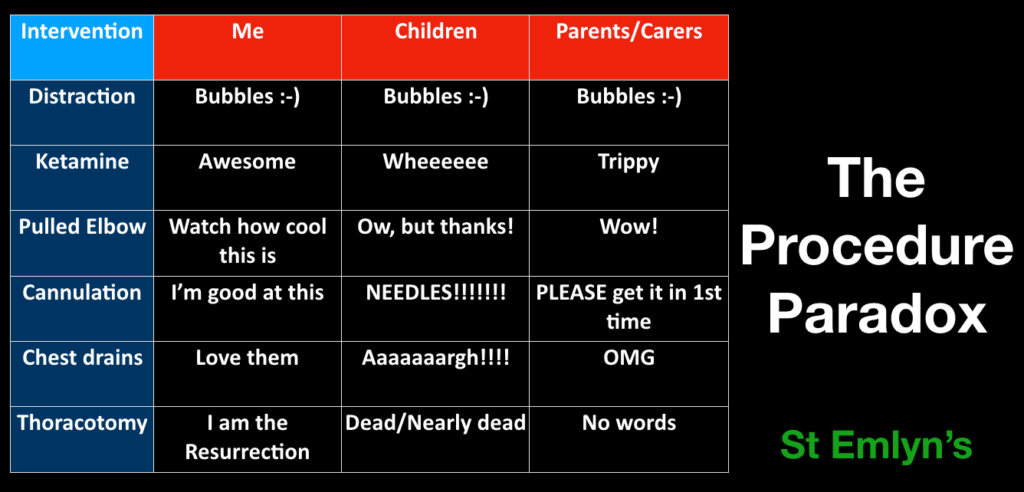
A satisfying day in emergency medicine may be the worst day of a patient’s life. Simon Carley explores this tension, asking how enthusiasm for procedures and clinical challenges can coexist with empathy, thoughtful decisions and attention to what the patient needs.