A 2015 introduction to chemsex for emergency clinicians, exploring drug use in sexual settings, patients’ reasons for attending and the importance of sensitive assessment. The article emphasises non-judgemental conversations, confidentiality, specialist advice and appropriate follow-up, including opportunities to disclose non-consensual experiences.
Chris Gray’s report from the prehospital day of the 2015 London Trauma Conference brings together air ambulance practice, transport safety and emerging resuscitation techniques. Topics include prehospital ECMO, sepsis, REBOA and the challenge of translating specialist expertise into reliable systems of care.
Day two of the 2015 London Trauma Conference explored trauma team performance, clinical judgement, paediatric trauma and major incident preparation. Natalie May, Iain Beardsell and Simon Carley share highlights, including reflections on the Paris attacks and the challenges of supporting families in the resuscitation room.
Natalie May and Iain Beardsell review the opening day of the 2015 London Trauma Conference in this report and podcast. Highlights include older trauma patients, human factors, brain and spinal injury, mass-casualty care and why effective systems matter more than any single intervention.
The final part of Natalie May’s better-learning series considers how to sustain learning alongside a demanding clinical career. It explores kindness towards yourself, realistic priorities, rest, interests outside medicine and the value of learning with colleagues, finding mentors and building a supportive professional network.
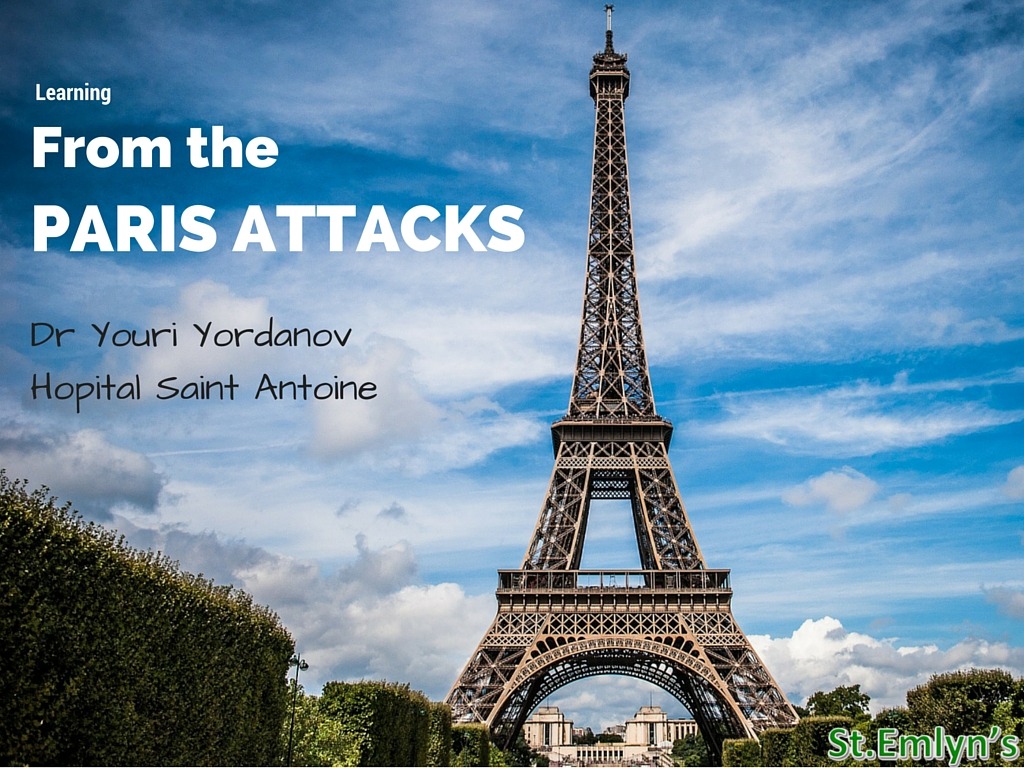
Dr Youri Yordanov describes the emergency department response to the Paris attacks of 13 November 2015. This podcast introduction and accompanying resources focus on organising teams and caring for critically injured casualties arriving without warning at an already busy Saint Antoine hospital.