
JC: Bystanders make the difference in cardiac arrest. St.Emlyn’s
4 min read
A quick journal club this week in what's been a very busy few days. As you know we were at the BMJ Awards this week.
A quick journal club this week in what's been a very busy few days. As you know we were at the BMJ Awards this week.

The BMJ awards are arguably the most prestigious medical awards in the UK (we think they are anyway) and so we were delighted that the St.Emlyn's team made the final shortlist for the 2017 education team of the year award. Last night we assembled in London for the awards dinner amongst some amazing teams and (as it turned out) some fabulous competition.
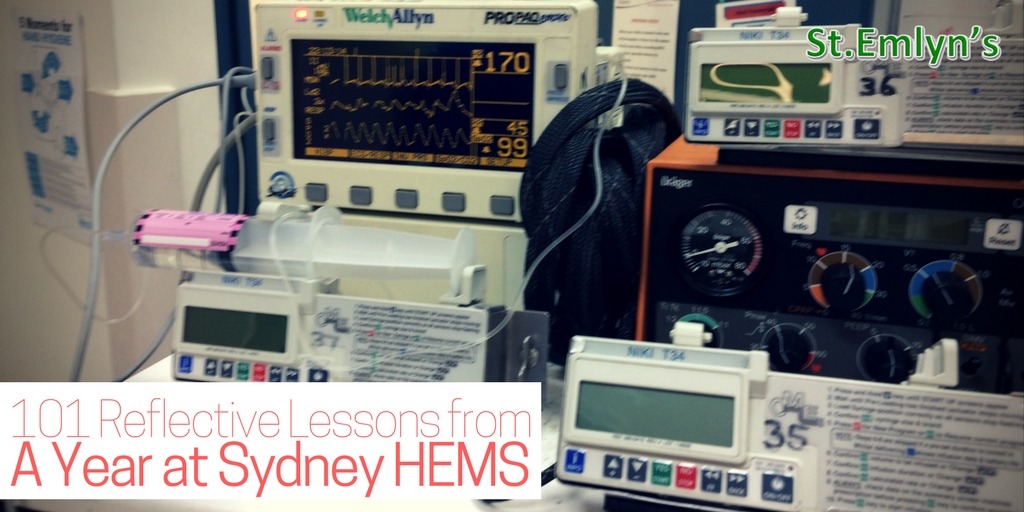
This post, detailing my reflections on clinical retrieval medicine, is the third in a series recording my reflections on the past twelve months, which I have spent working for Sydney HEMS in prehospital and retrieval medicine. The first post covers medical education – you can find it here1.
Emergency Department Management
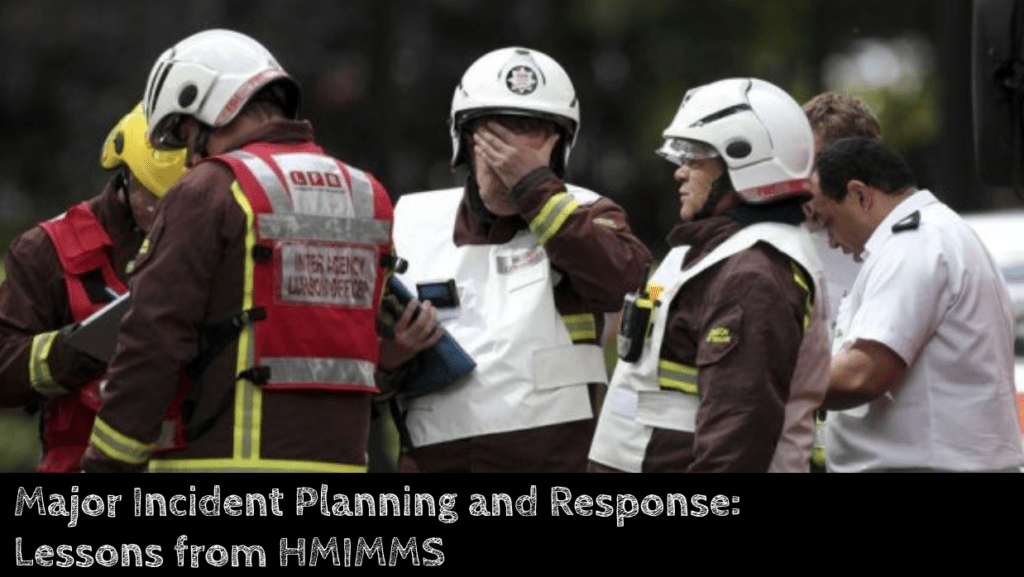
'A failure to plan is a plan to fail'

At work the other day, someone mentioned that we could use procalcitonin to distinguish between viral and bacterial infections, particularly in the paediatric population. It was touted as the answer to that age-old question, “should I prescribe antibiotics for this sore throat/cough/?”.
Journal ClubEvidence-Based Medicine
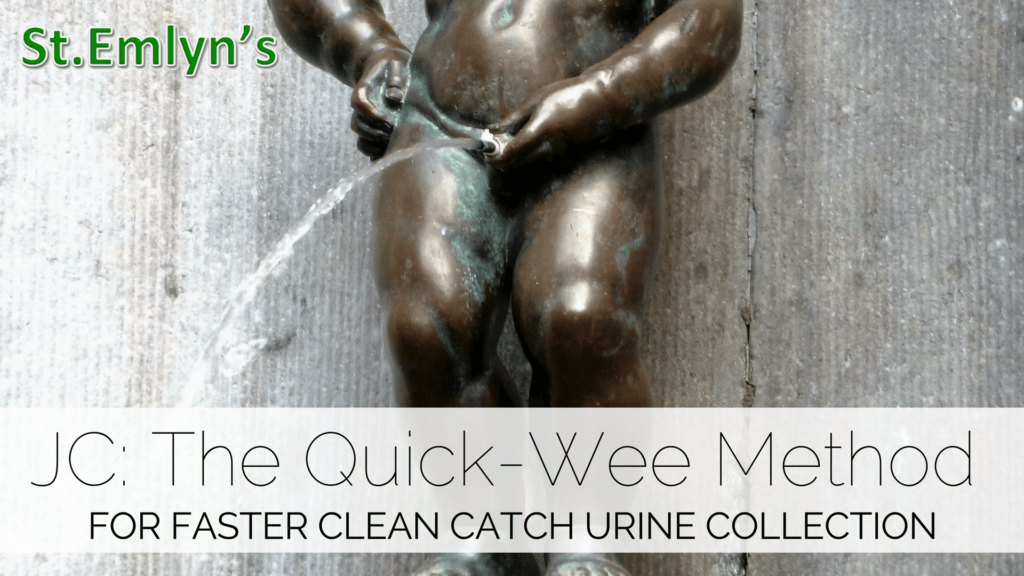
The wilful nature of children is responsible for a lot of the facial expressions we see in the paediatric emergency department but few parents are as frustrated as those waiting... and waiting... and waiting for the short-lived, poorly-timed, inevitable fountain or dribble of urine they are expected to catch in a sterile pot or bowl for the exclusion of urinary tract infection as a cause of their child's symptoms.
Practical perspectives on trauma care and team leadership.
Explore the series →