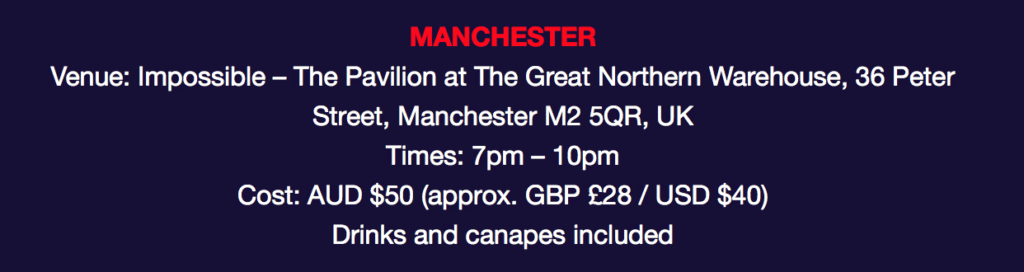
An archive of the Manchester launch party announcement for SMACC 2019, scheduled for 10 March 2018 alongside events in Sydney and New York. It describes St Emlyn’s role as European host and plans to reconnect the community and preview educational content from dasSMACC.
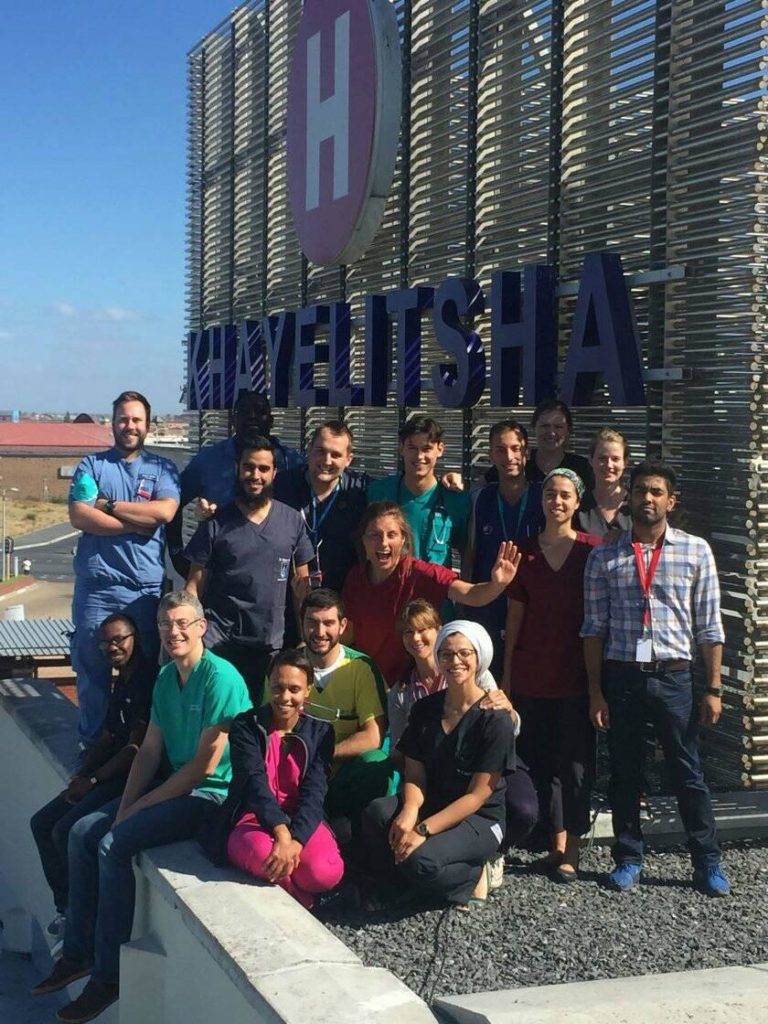
Stevan Bruijns reflects on working across South African and UK emergency care, challenging assumptions about who teaches and who learns. His account considers the risks of overseas placements, reciprocal learning and practical ways to support colleagues in lower-resource settings, including collaborations that do not require travel.
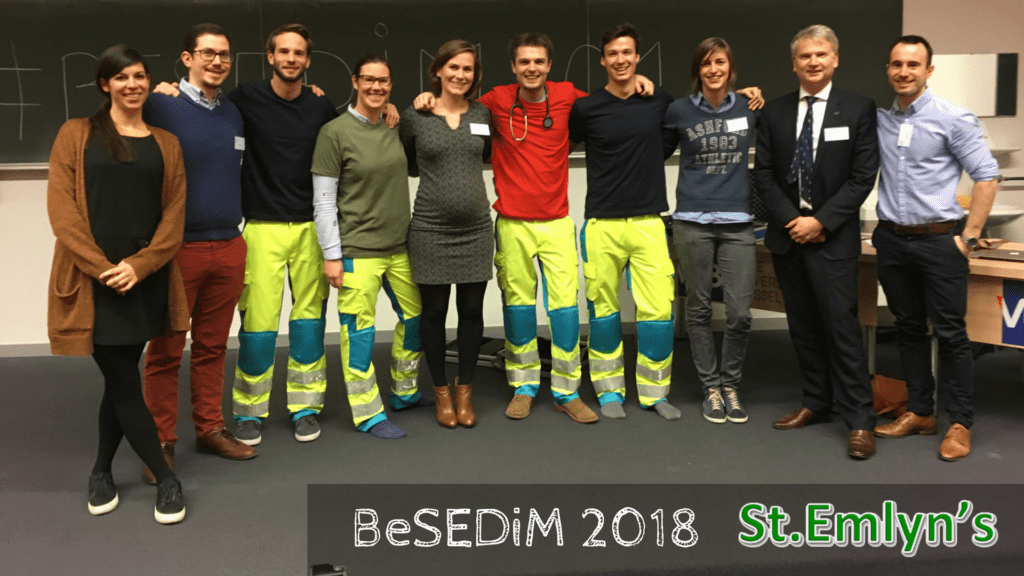
Belgium’s 2018 BeSEDiM symposium brought together decision-making, simulation, wellbeing and clinical debate. This report explores hierarchy and feedback in teams, practical toxicology cases and discussions of advanced resuscitation, while reflecting on the growth of emergency medicine and the value of a connected professional community.
Did hydrocortisone improve outcomes in septic shock in the ADRENAL trial? This 2018 appraisal examines the absence of a demonstrated 90-day mortality benefit alongside secondary findings on shock resolution and time in intensive care. It explores trial design, patient selection and the limits of subgroup interpretation.
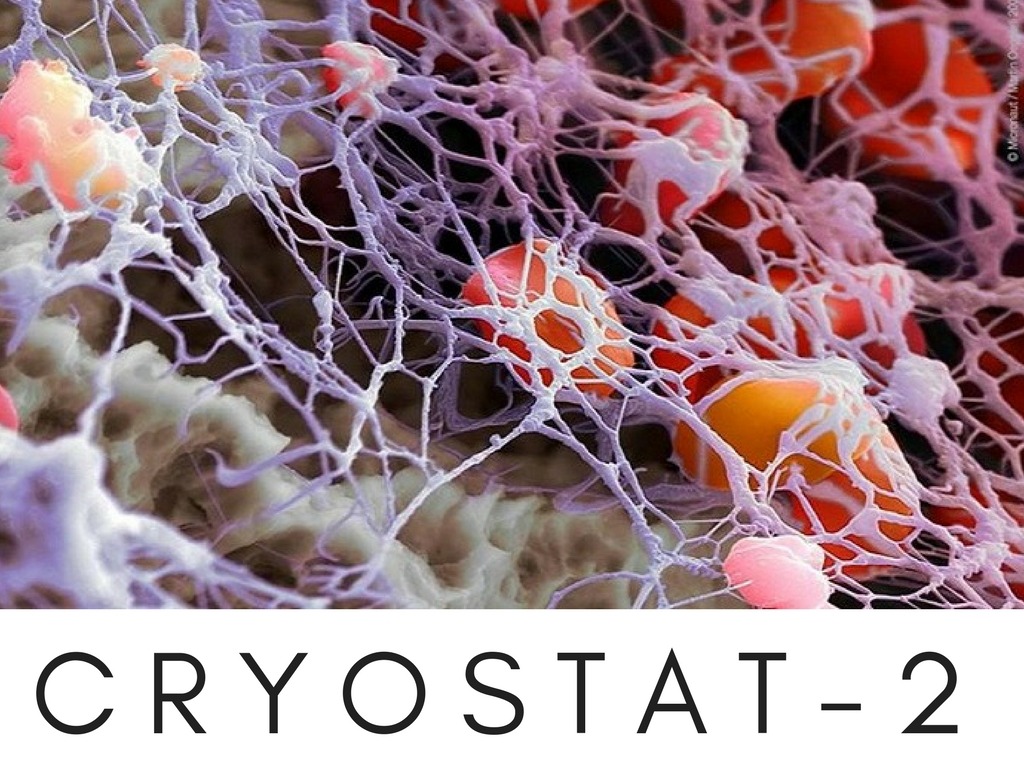
This 2018 introduction explains the question behind CRYOSTAT-2: could early cryoprecipitate improve survival after major traumatic bleeding? It outlines the rationale for fibrinogen replacement, the planned randomised trial, eligibility criteria and patient-centred outcomes. This is a preview of the study, before its results became available.
Distinguishing peripheral dizziness from posterior circulation stroke can be difficult in the emergency department. This 2018 review discusses bedside assessment, including nystagmus, HINTS, neurological examination and gait. It emphasises the knowledge and practice needed to use these techniques, rather than offering a simple discharge rule.