Two 2016 studies examine difficult questions in out-of-hospital cardiac arrest: whether amiodarone or lidocaine improves outcomes, and how resuscitation duration relates to neurological recovery. Natalie May considers study design, statistical uncertainty and why translating findings into bedside decisions needs care.
When might withdrawal of life-sustaining treatment be considered in the emergency department? Using hypothetical cases and the 2008 UK code of practice, this 2016 discussion explores uncertain prognosis, reversible causes, patient wishes and the need for senior colleagues and families to be involved.
What changed when Sepsis-3 was introduced in 2016? This overview explains the shift towards organ dysfunction, the roles proposed for SOFA and qSOFA, and revised septic-shock definitions, while noting early concerns about applicability and performance across different clinical settings.
A fictional Robocop trauma case provides the framework for this tour of NICE’s 2016 major-trauma guidance. The post follows care from scene to hospital, discusses areas of controversy and highlights unanswered research questions, with links to the full guidance and an accompanying infographic.
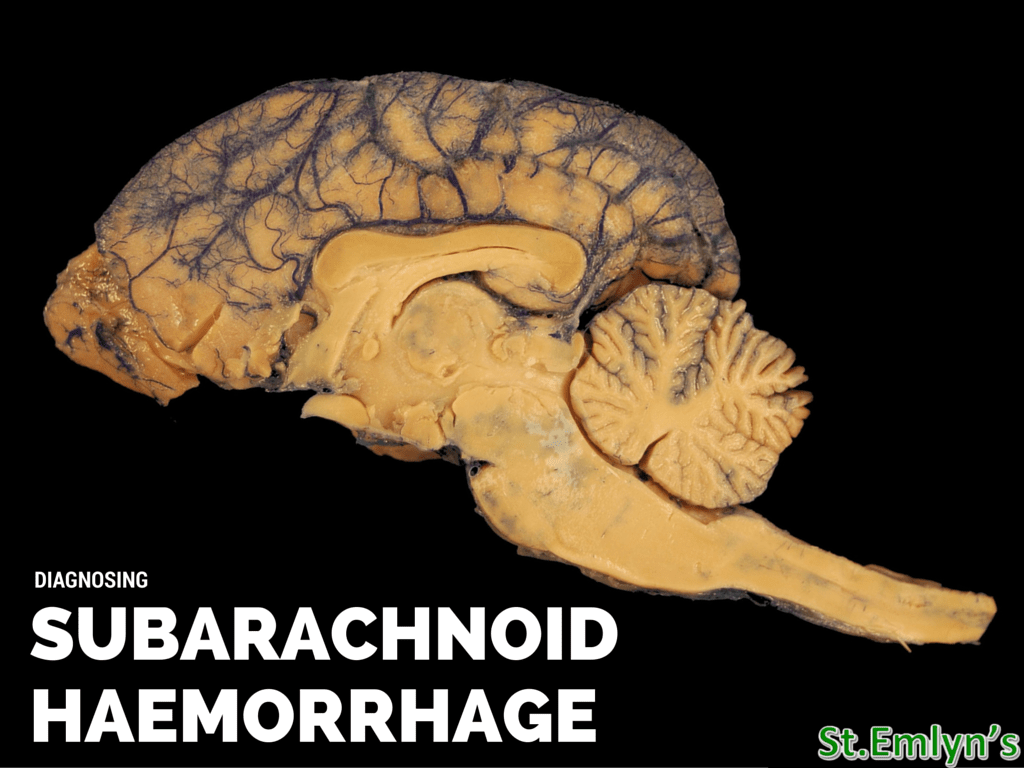
When might an early CT scan change the need for lumbar puncture in suspected subarachnoid haemorrhage? This 2016 discussion reviews the evidence available then, scanner and reporting requirements, and conversations with patients about uncertainty, further investigation and the risks of testing.
An introductory 2015 overview of chemical, biological, radiological and nuclear incidents for emergency clinicians. The post considers recognising unusual presentations, triage, broad patterns of exposure and sources of specialist help, encouraging further preparation rather than presenting itself as a complete incident-management guide.