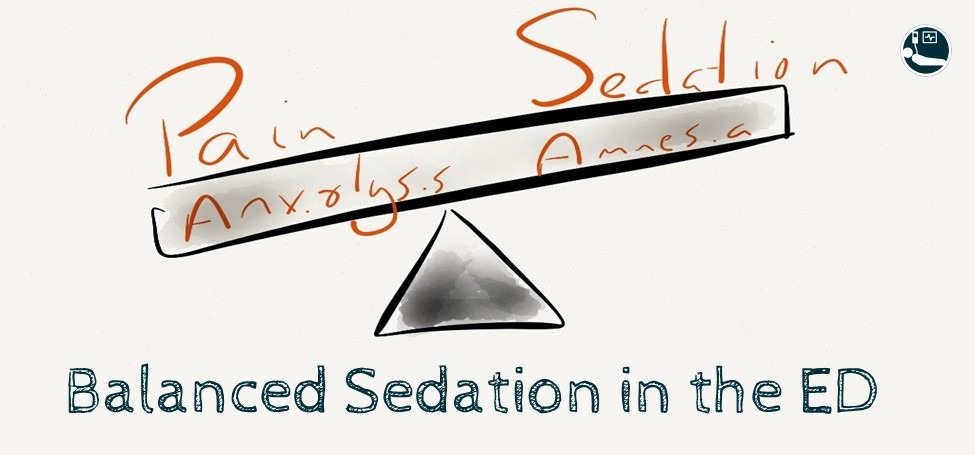
Procedural sedation involves more than choosing a favourite drug. Using contrasting ankle-injury scenarios, this 2012 discussion explores how analgesia, sedation, anxiety relief and amnesia contribute to a plan tailored to the patient's needs and existing medical problems.
Can case conferences help teams learn without becoming an exercise in blame? Rick Body uses a hypothetical asthma emergency to explore constructive reflection, fair feedback and the importance of recognising good care alongside opportunities to improve.
How much diagnostic uncertainty can clinicians and patients accept? Part three of Risky Business explores how percentages and natural frequencies shape risk perception, and why missed disease must be weighed alongside the harms of further testing and the patient's perspective.
St Emlyn's prepared for SimWars at SMACC 2013 in Sydney with enthusiasm and a playful concern about Australian wildlife. This 2012 preview introduces the team's plans and a pre-competition session with Minh le Cong, Natalie May and Simon Carley.
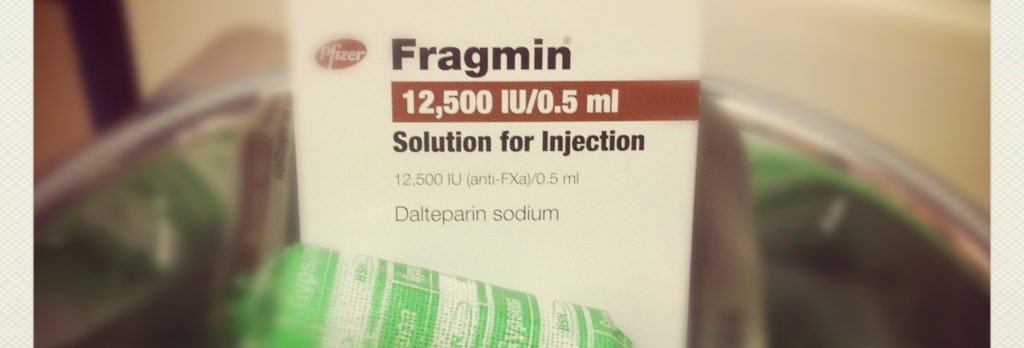
Who needs thromboprophylaxis after lower-limb immobilisation? This 2012 discussion introduces College of Emergency Medicine guidance, considers the evidence for ambulatory trauma patients and argues for individual VTE risk assessment rather than treating every plaster cast in the same way.
What can the capnography trace tell a resuscitation team beyond airway position? This 2012 reflection explores its use in assessing compressions, recognising possible return of circulation and informing difficult decisions, while emphasising the limitations of interpreting end-tidal carbon dioxide in isolation.