A personal review of the Essence of Emergency Medicine course in 2013, led by Cliff Reid and colleagues. The account focuses on human factors, learning openly from mistakes, taking responsibility and advocating for patients when systems make good care difficult.
How much confidence should we place in age-based estimates of a child’s weight? This 2013 report compares APLS formulae with measured weights in a local study, explores variation hidden by average accuracy and argues for measuring weight whenever circumstances allow.
A 2013 journal club explores an Australian observational study of childhood CT exposure and subsequent cancer diagnoses. It puts relative risk headlines into perspective and considers how clinicians balance the immediate benefits of diagnosis against possible harms that may emerge much later.
Could unconscious preferences influence how we assess and treat patients? This reflection explores rapid judgements, evidence of unequal pain treatment and the idea of implicit association, inviting emergency clinicians to examine assumptions that may differ from their conscious commitment to fair care.
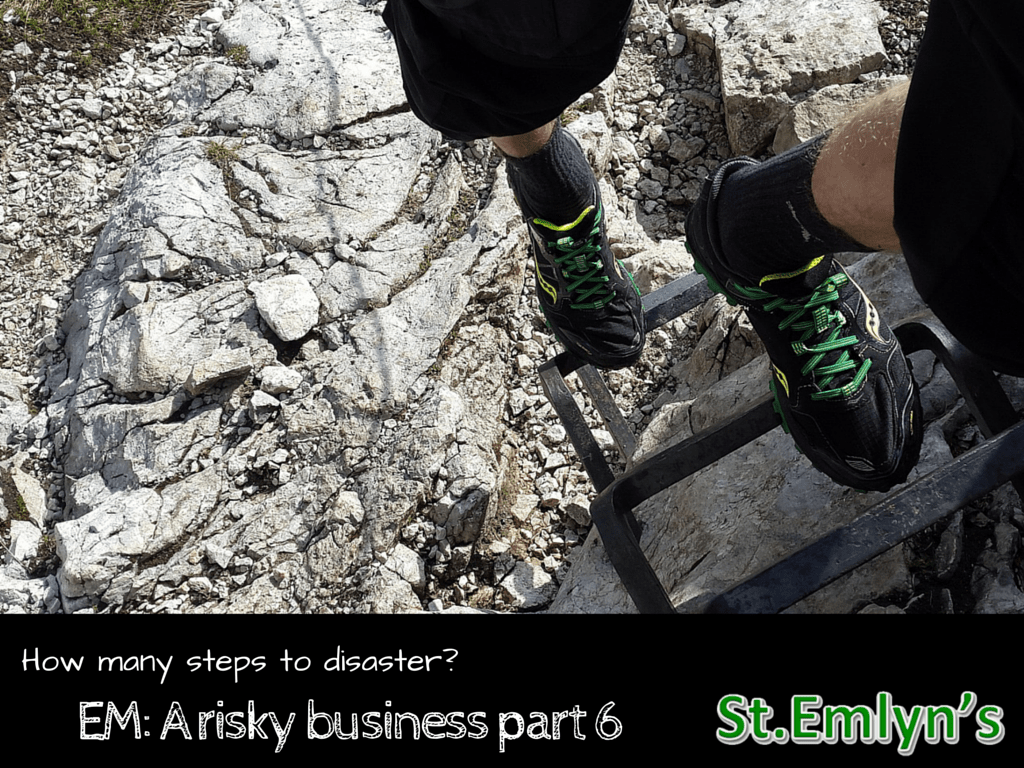
Does a missed diagnosis inevitably lead to serious harm? Part six of the Risky Business series explores the steps between diagnostic uncertainty and a poor outcome, including deterioration, return visits and opportunities to reconsider the diagnosis and intervene.
An archived 2013 announcement about an Academy of Medical Educators membership route for graduates of the ALSG Generic Instructor Course. The post considers recognition of teaching work, professional development and the distinction between this arrangement and other instructor-course routes.