What happens when advice found through online medical education is challenged after something goes wrong? A fictional scenario opens a discussion about applying FOAM in clinical practice, evaluating trusted online colleagues and explaining that trust to clinicians outside the social-media community.
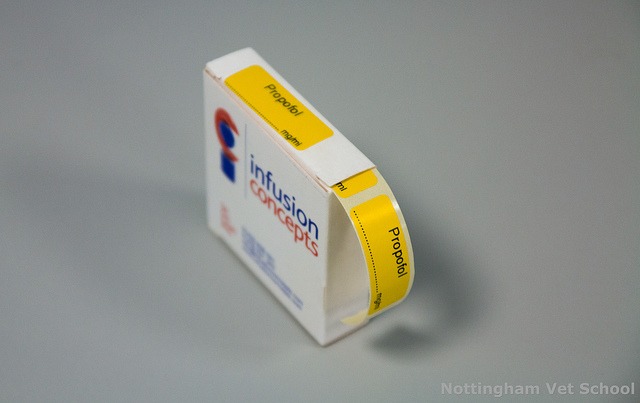
How safe is propofol sedation when delivered by emergency physicians? This 2013 journal club reviews a single-centre audit of 1,008 cases, distinguishing transient adverse events from lasting harm and considering how training, supervision and patient selection affect the relevance of its findings elsewhere.
Simon Carley’s SMACC 2013 talk reflects on the development of St Emlyn’s and educational leadership through social media. The accompanying introduction asks whether FOAM needs a representative organisation and invites discussion about the movement’s future.
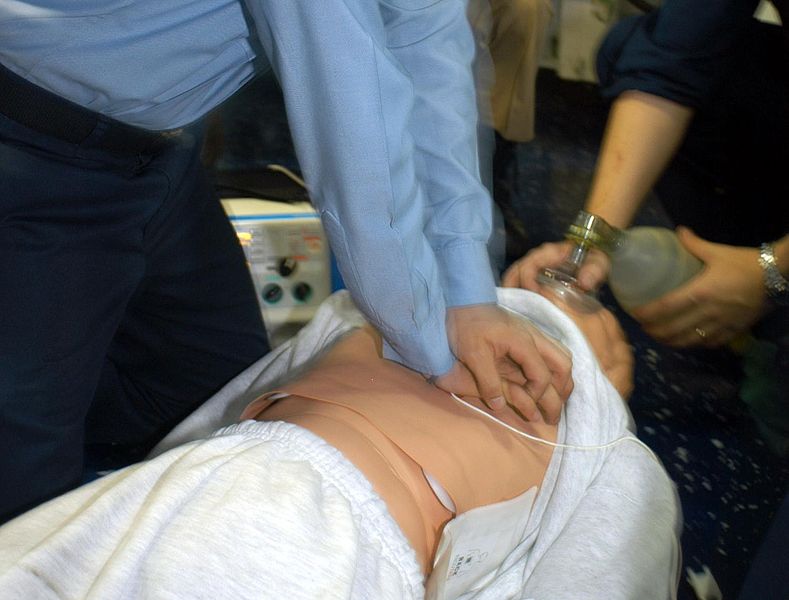
Should patients without ST elevation receive coronary intervention after an out-of-hospital cardiac arrest? This 2013 review explores observational evidence, presenting rhythms, symptoms and ECG findings, while emphasising that associations with survival do not establish a benefit caused by the intervention.
Why were so many trainees struggling to pass FCEM? Writing in 2013, Simon Carley examines pass rates, training pressures and the structure of the examination, using a probability model to question how separate compulsory components affect candidates’ chances of success.
Distraction during a child’s procedure starts well before the procedure itself. Rick Body explores the child’s and parents’ perspectives, clinicians’ emotions, first impressions and preparation, showing how rapport and a personalised distraction plan fit into care in the paediatric emergency department.