Can symptoms or clinical scores predict which adults with sore throat will develop complications? This 2013 journal club examines a large primary-care cohort, using rare outcomes to explain positive predictive value and to question assumptions behind antibiotic prescribing.
Could online estimates of pre-test probability help clinicians choose investigations for pulmonary embolism and acute coronary syndromes? This initial 2013 discussion examines a trial of web-based decision support, exploring radiation exposure, gaps in the calculator’s data and unanswered questions about diagnostic safety.
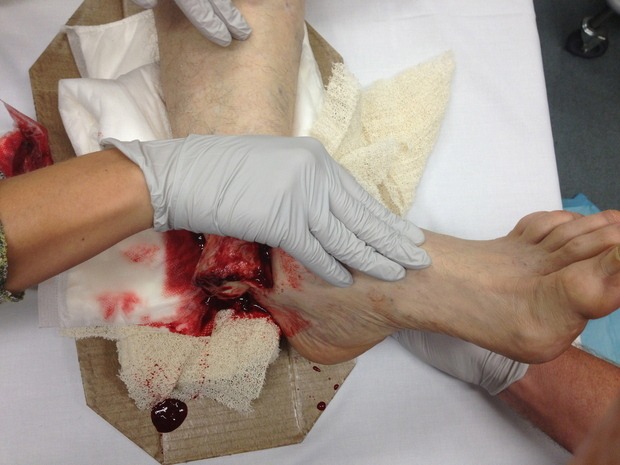
Should a displaced ankle fracture be X-rayed before reduction? This 2013 journal club challenges the conclusions of a retrospective study, exploring differences between patient groups, missing documentation and the limitations of repeat manipulation as an outcome before accepting a proposed change in practice.
What happens when colleagues, relatives or public figures arrive expecting different treatment in the emergency department? This reflection examines fairness, pressure to prioritise, over-investigation and incomplete assessment, and considers how teams can handle personal connections while keeping care consistent with clinical need.
The second instalment of this ethics series revisits a fictional rescue dilemma through the trolley problem and the four pillars of medical ethics. It explores intentions, consequences, action and omission, and asks why apparently similar choices can provoke very different moral judgements.
What did the original trial comparing temperature targets of 33°C and 36°C after out-of-hospital cardiac arrest establish? This 2013 appraisal explores sample size, uncertainty and the distinction between failing to detect a difference and demonstrating equivalence, placing the debate in its historical research context.