Can a trauma team leader’s early judgement predict which patients will need massive transfusion? Simon Carley examines a 2015 study comparing clinical gestalt with scoring systems, questioning the outcome definition, selection of patients and the limits of relying on a single early assessment.
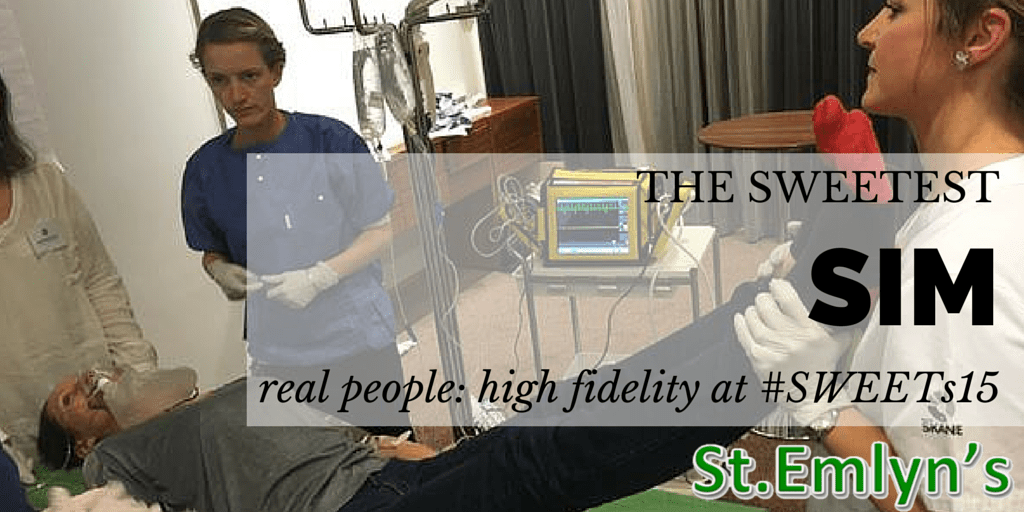
What changes when the simulated patient is a person rather than a mannequin? After playing a patient at SWEETs 2015, Natalie May reflects on explanations, emotional needs and patient feedback, alongside the educational benefits of clinician actors and the responsibility to protect their comfort and safety.
Ross Fisher discusses gaps in paediatric trauma research and why children need more than scaled-down adult care in this London Trauma Conference podcast. Published in 2015, the accompanying notes cover imaging questions, opportunities to contribute to research and a shared interest in clearer, more focused presentations.
What can trauma teams learn from elite rowing? In this interview from the 2014 London Trauma Conference, Tom Evens discusses high performance as a process and culture, connecting mental rehearsal, simulation, coaching and learning from successes and failures with preparation for work in the resuscitation room.
The 2015 ProMISe trial compared early goal-directed therapy with usual care for patients with septic shock in UK hospitals. This appraisal examines mortality, treatment overlap and patient selection, asking what the findings added to ARISE and ProCESS and which questions about individualised care remained unresolved.
A guide to the changes introduced in the 2015 APLS trauma update, with an accompanying podcast. Simon Carley discusses haemorrhage control, cervical spine management, vascular access, imaging and pain relief, alongside implications for instructors and areas where contemporary guidance differed.