Highlights from the 2015 neuroanaesthesia and critical care meeting in Manchester, with a focus on collaboration around traumatic brain injury. Dan Horner reflects on variation in practice, fatigue and situational awareness, specialist intensive care, tracheostomy safety and communication with patients who experience awareness during anaesthesia.
What happens when James Lind’s scurvy experiment meets a modern critical appraisal checklist? Written for International Clinical Trials Day 2015, this deliberately playful review uses the historic study to explain randomisation, outcome definitions, statistical uncertainty and how expectations of clinical research have changed.
How much does describing chest pain as ‘typical’ tell us about the final diagnosis? Simon Carley reviews a 2015 observational study of clinician judgement, questioning the value of experience alone and examining how patient selection, specificity and the presentation of diagnostic performance affect interpretation.
This 2015 journal club examines a trial comparing intravenous lorazepam and diazepam for children with convulsive status epilepticus. Alongside seizure control and adverse effects, the appraisal explores blinding, per-protocol analysis and why failing to demonstrate superiority does not prove that the treatments are equivalent.
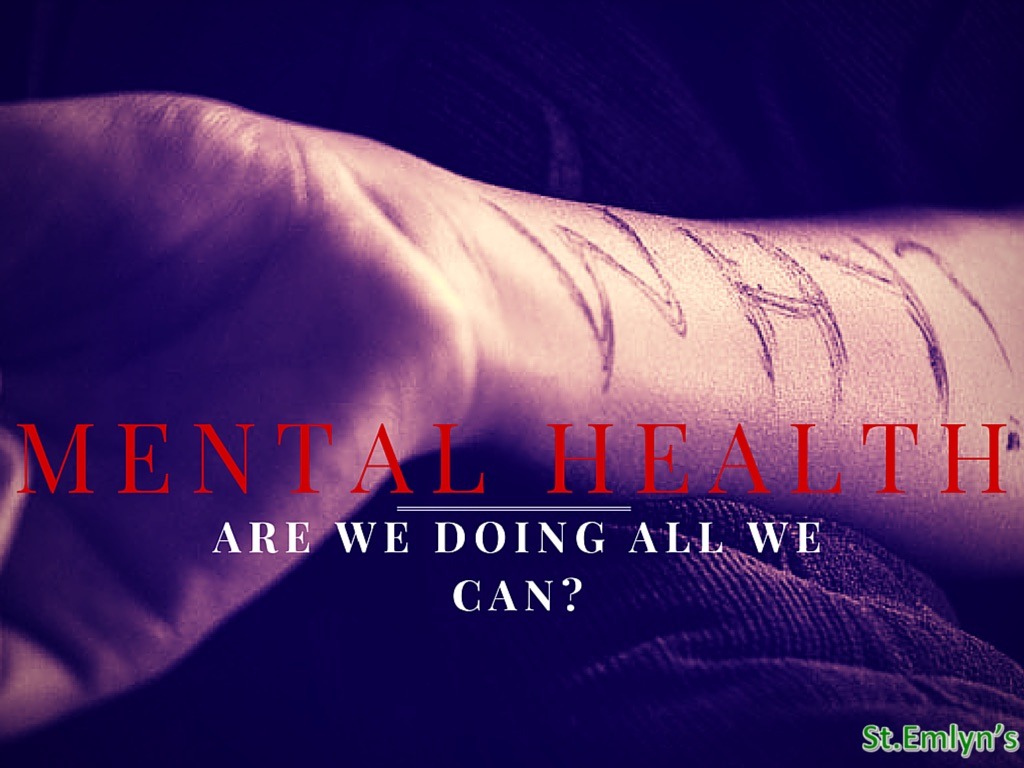
Are emergency departments giving people with mental health problems the attention and compassion they need? This 2015 reflection challenges dismissive attitudes, considers assessment and follow-up for adults and children, and argues that stretched services do not remove the responsibility to treat patients with dignity and respect.
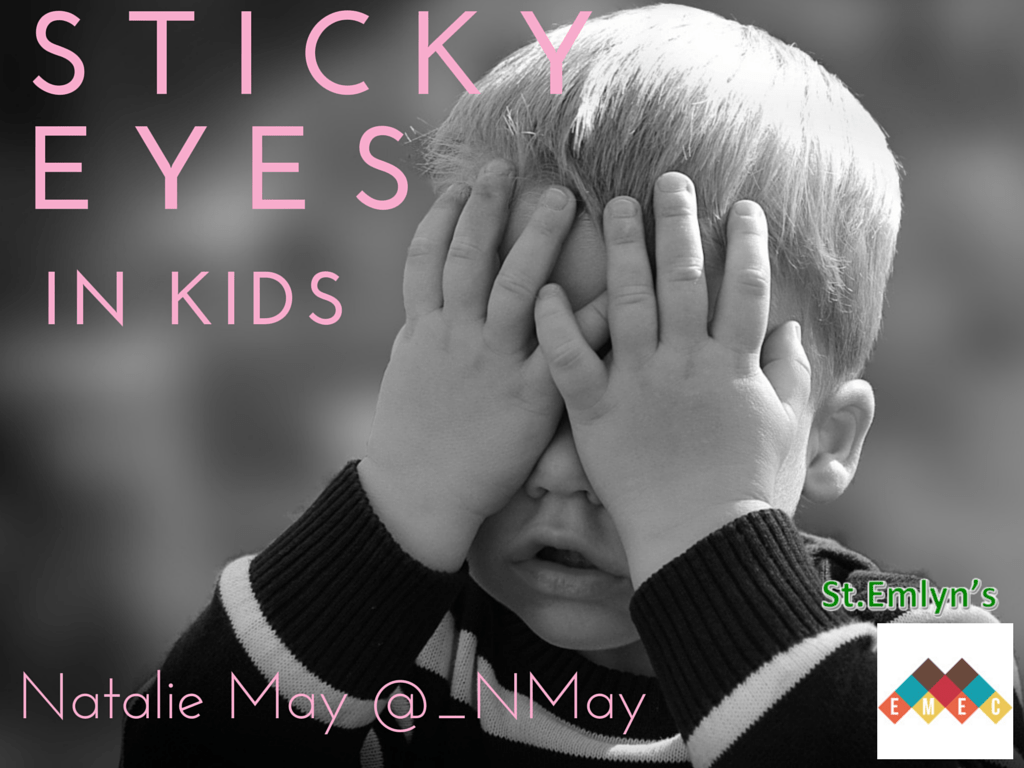
A short teaching challenge becomes a 2015 review of sticky eyes in children, from newborns to school-age patients. Natalie May combines age-specific considerations, examination and follow-up with reflections on fitting useful clinical teaching into a few minutes, supported by slides and a recorded presentation.