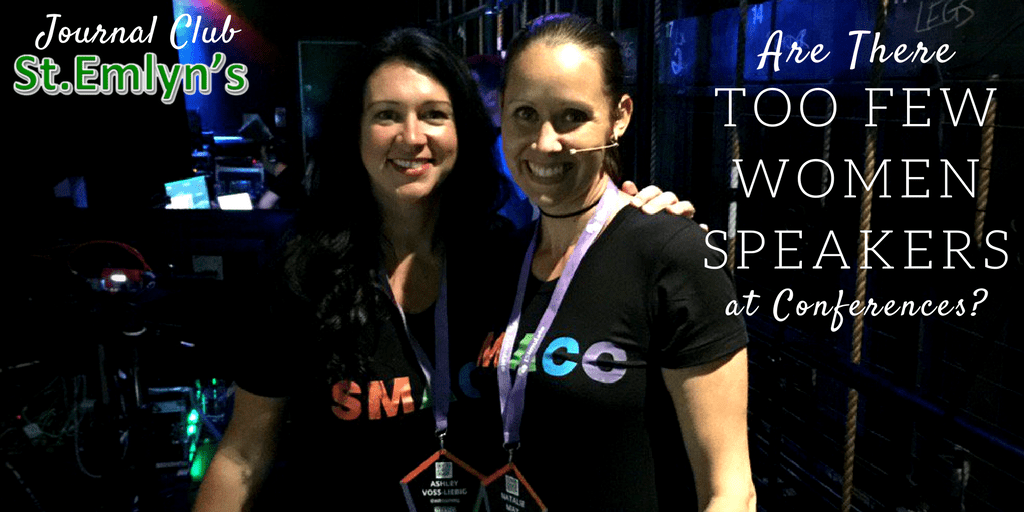
What does counting conference speakers reveal about gender equity? This 2016 report examines EM programmes from 2014–2015, comparing women’s representation with the specialist workforce and considering speaking time, methodological limitations and the questions that simple headcounts leave unanswered.
Ashley Voss-Liebig reflects on how research into conference speakers challenged her assumptions about women’s participation in emergency medicine. This 2016 commentary moves beyond speaker numbers to ask how mentoring, visible role models and removing barriers might support women’s careers in the specialty.
How should new information change a clinical diagnosis? This introduction to Bayesian thinking uses a chest-pain example to explore updating probabilities, reconsidering alternatives after negative tests and avoiding the false reassurance of ruling out only the first diagnosis considered.
An introduction to the St Emlyn’s Critical Appraisal Nuggets podcast series, launched in 2016 to help clinicians interpret research and prepare for exams. The first episode brings Simon Carley and Rick Body together to discuss randomisation, with links to further learning resources.
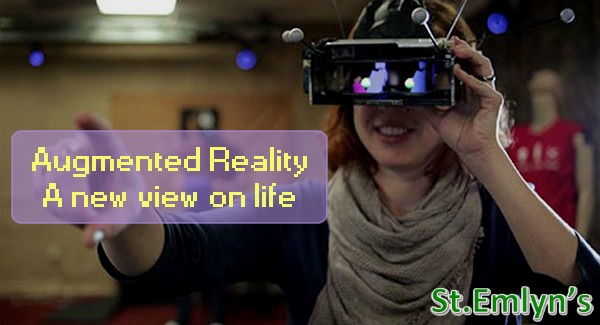
Could augmented reality change clinical practice and medical education? This 2016 overview moves from vein imaging to surgical training and proposed uses in emergency care, distinguishing early applications from future possibilities and noting where evidence of benefit remained uncertain.
Does adding ketamine to propofol make emergency procedural sedation safer? This 2016 appraisal of the POKER trial examines respiratory complications, recovery and patient experience, finding no convincing overall advantage while discussing blinding, event rates and the limits of the evidence.