How should doctors teach and discuss cases online without compromising confidentiality? Simon Carley's response to the GMC's 2013 social media guidance explores professional identity, potentially identifiable details and the difficulties of using fictional cases that resemble real patients.
What can Sunday league football teach us about leading a resuscitation team? Rick Body draws parallels between changing team line-ups, assigning roles, encouraging communication and adapting under pressure, with reflection and debriefing helping the team prepare for next time.
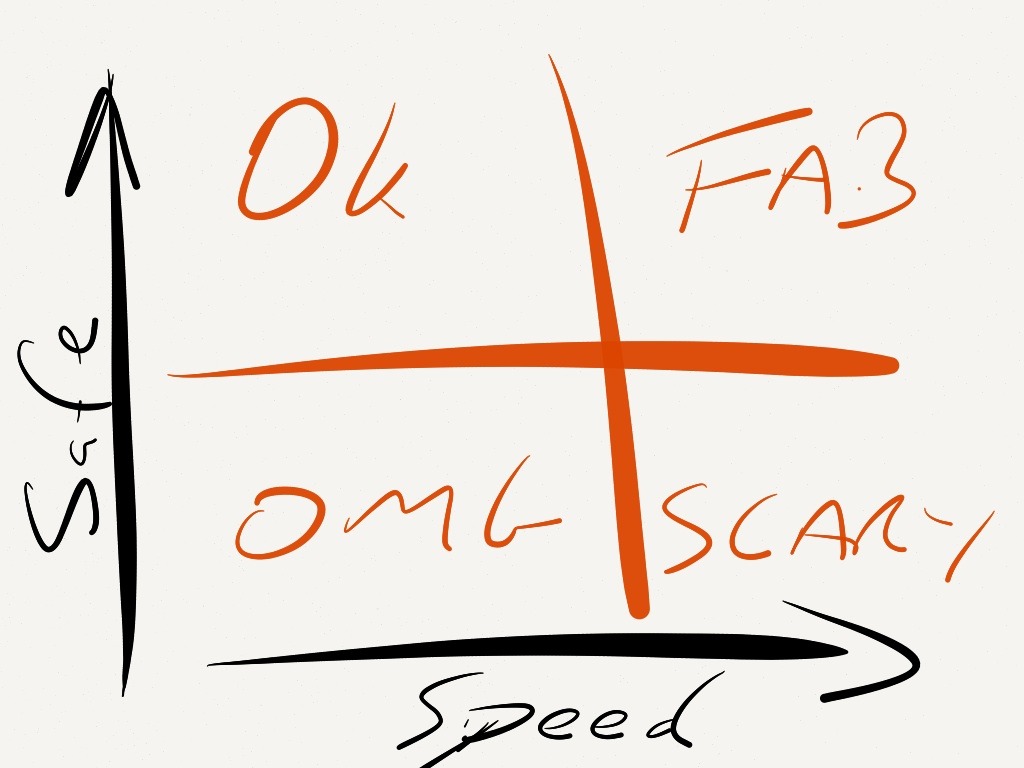
Does seeing fewer patients mean a doctor is performing poorly? Simon Carley examines the limits of productivity figures and league tables, arguing for supervision that explores case mix, quality and individual difficulties without putting pressure on trainees to sacrifice safety for speed.
How can clinical feedback become a useful conversation rather than a telling-off? Natalie May explores preparation, shared goals and specific observations, showing how curiosity about a trainee's reasoning can lead to reflection, agreed actions and a stronger learning relationship.
How can emergency medicine recruit and retain doctors without minimising the pressures of the job? In this 2012 reflection, Simon Carley argues for valuing trainees, investing in teaching and reconsidering rewards, working patterns and longer-term career options.
This December 2012 preview introduces SMACC 2013, a Sydney conference bringing together emergency medicine, critical care and social media. It outlines St Emlyn's plans for SimWars and opportunities to participate online as well as in person.