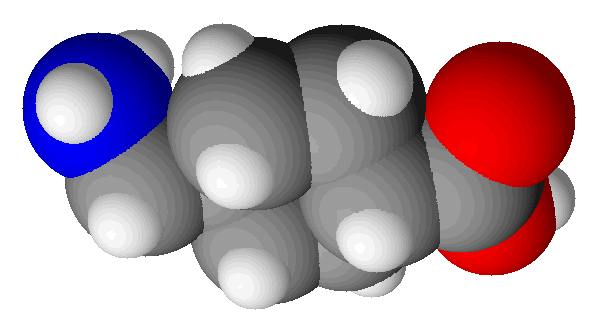
Does the benefit of tranexamic acid vary with a trauma patient's risk of death? This 2012 journal club discusses a CRASH-2 subgroup analysis, its implications for patient selection and the uncertainties then surrounding use before arrival at hospital.
How should traumatic cardiac arrest differ from a standard resuscitation algorithm? Natalie May reflects on a difficult early experience and reviews the 2012 debate around reversible causes, chest compressions, ultrasound and emergency thoracotomy, including the uncertainty created by small observational studies.
Does this patient need an arterial blood gas, and what will you do with the result? This 2012 discussion challenges routine arterial sampling, considers venous gases and pulse oximetry, and argues for choosing investigations that answer a specific clinical question while minimising avoidable pain.
What should we say before intubating someone who may never regain consciousness? Through a hypothetical major-burns case, Simon Carley explores honesty, reassurance and the opportunity for final conversations, asking whether comforting words serve the patient and family or the resuscitation team.
How do you act on an ECG suggesting STEMI when the rest of the presentation does not fit? This hypothetical cardiology case from 2012 combines altered consciousness, abdominal findings and no chest pain to explore competing diagnoses, bleeding risk and the urgency of reperfusion.
What matters more in a fluid trial: haemodynamic targets or outcomes that matter to patients? This 2012 appraisal of CRYSTMAS examines hydroxyethyl starch versus saline in severe sepsis, questioning the analysis population, clinical relevance of the primary outcome and interpretation of mortality findings.