Highlights from the prehospital day of the 2019 London Trauma Conference. The report covers cardiac arrest decisions, access to defibrillation, vascular access, major incident response and obstetric emergencies, alongside practical discussion of communication and cognitive overload in pressured environments.
The final day of the 2019 Intensive Care Society State of the Art meeting, with discussions of cardiogenic shock services, sepsis treatment debates and recovery after critical illness. The report also explores blood cultures, oxygen exposure and the challenges of interpreting emerging research.
Day two of the 2019 Intensive Care Society State of the Art meeting explores fluids, blood-pressure targets and vasoactive treatment, alongside sustainability and staff wellbeing. Later sessions consider trauma systems, bleeding control, chest injury and the needs of older patients with major trauma.
What does cardiac movement on ultrasound mean when no pulse can be felt? This 2019 review explores pseudo-PEA, its distinction from cardiac standstill and reported outcomes, while highlighting the limited evidence for proposed treatment changes and the need for further research.
Day-one highlights from the 2019 Intensive Care Society State of the Art meeting in Birmingham. Topics include personalised critical care, organ donation conversations, cardiac arrest research, skin and eye emergencies, and the difficult assessment of patients with decompensated liver disease.
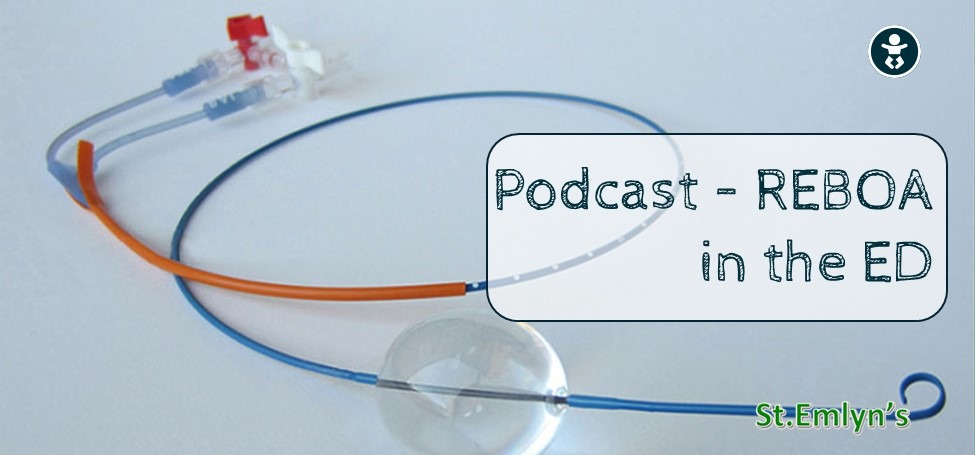
Zaf Qasim discusses the practicalities and uncertain evidence for REBOA in this 2019 podcast. The accompanying article considers its place within trauma systems and includes a later update on the UK-REBOA trial, making the distinction between the original discussion and subsequent evidence important.