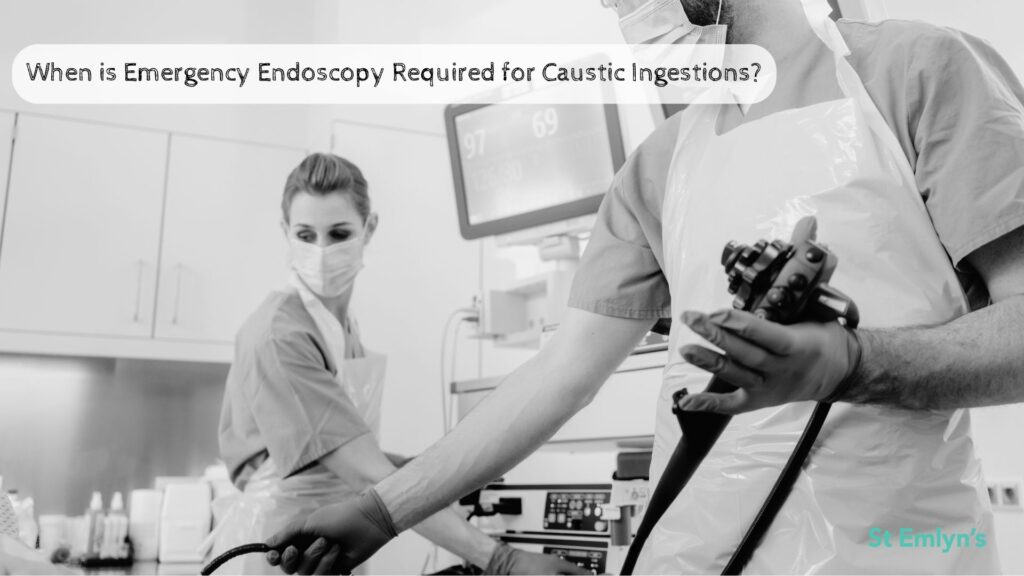
Can symptoms identify who needs endoscopy after a caustic ingestion? Greg Yates examines a retrospective study of corrosive exposures, focusing on how significant injury was defined, the treatment of pain in symptom classification and the missing follow-up that limits reassurance from its findings.
Revisit Cliff Reid's 2013 talk on why emergency medicine can be a great job. In this 2024 reflection, a difficult clinical case prompts Simon Carley to return to the talk and the meaning found in caring for patients and their families.
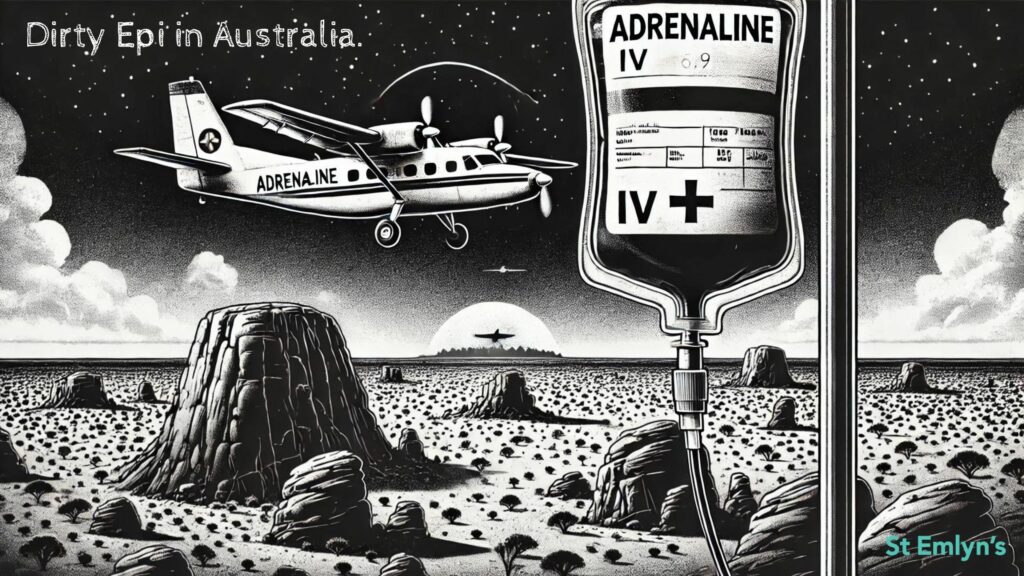
A Central Australian case series explores adrenaline infusions for shock in remote settings with limited resources. This appraisal examines the observational evidence, gaps in the safety data and practical concerns about labelling, flow control and supervision before considering wider use of the technique.
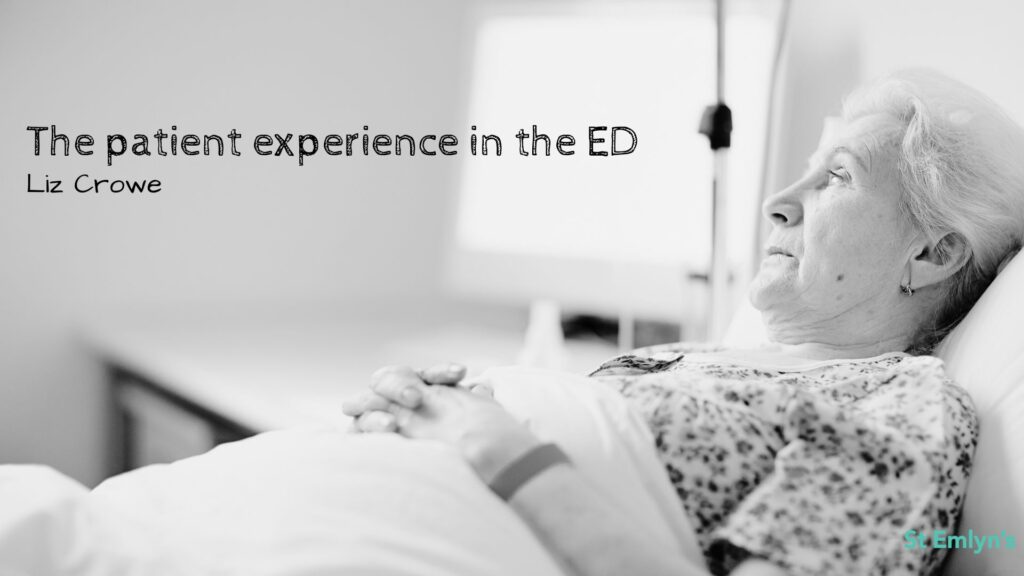
What does a crowded emergency department feel like to patients and their families? Liz Crowe reviews a small qualitative interview study exploring loss of autonomy, unmet expectations and vulnerability, then considers practical ways to improve communication, comfort and attention to basic needs.
Rick Body reflects on publishing research through open, ongoing peer review, where articles appear before review and subsequent comments and revisions are public. His experience opens a discussion about transparency, delays and whether peer review should be a continuing conversation rather than a publication gatekeeper.
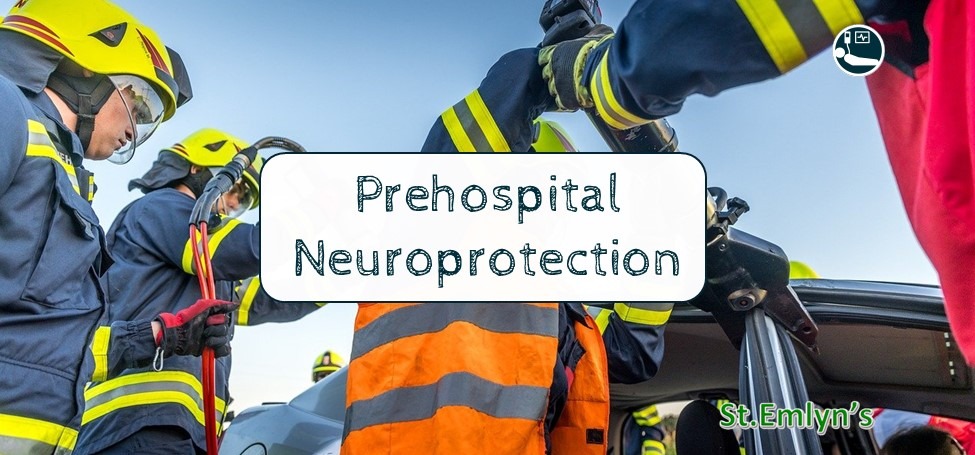
This PREMIER 2024 podcast follows the prehospital care of a child with traumatic brain injury, from the initial ambulance response to arrival at a major trauma centre. The case explores neuroprotection, coordination between teams and the practical decisions behind transport by road or air.