Why does a test's sensitivity tell only part of the story about missed diagnoses? Part four of Risky Business uses pulmonary embolism and the PERC rule to illustrate how disease prevalence changes the numbers missed among all the patients investigated.
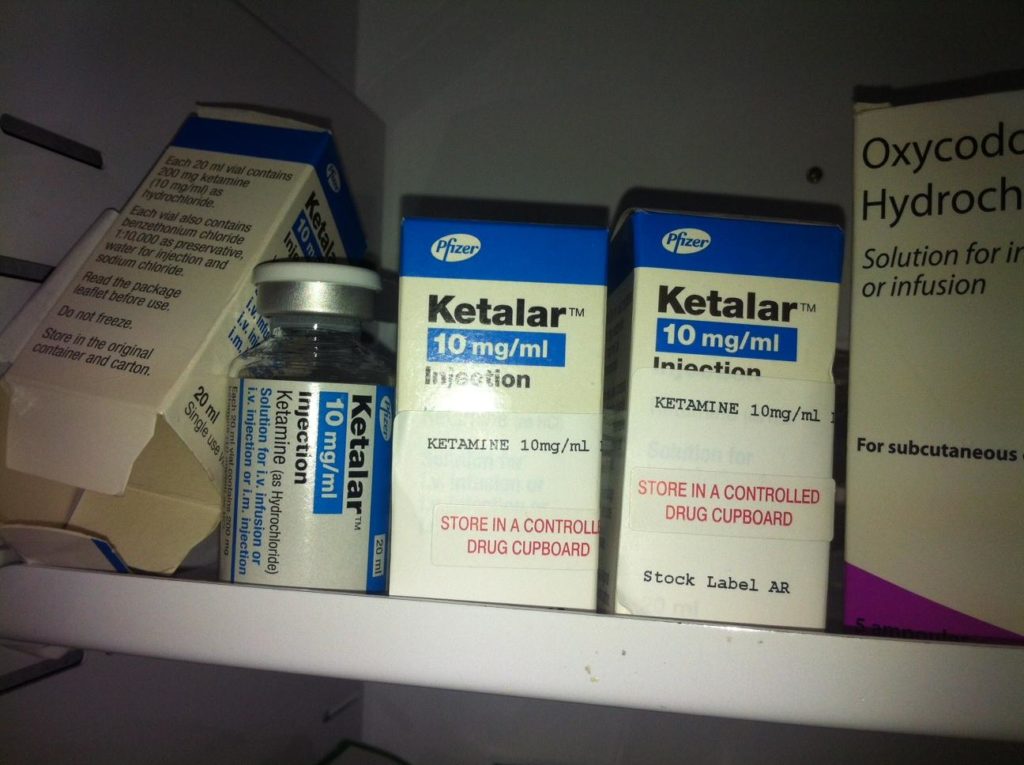
Could intranasal ketamine make procedural sedation less distressing for children? In this 2012 guest post, Alison Robinson appraises a small pilot study, questioning its sedation targets, lack of a control group and repeated blood sampling while acknowledging that the evidence remained inconclusive.
A hypothetical nightclub presentation explores striking cyanosis with unexpectedly reassuring clinical signs. This 2012 teaching case considers methaemoglobinaemia, interpretation of blood gas results, possible drug exposures and the importance of specialist poisons advice when treatment does not work as expected.
Does reaching hypothermia sooner after cardiac arrest improve outcomes? This 2012 journal club examines an observational study of cooling times, using its results to explain relative risk, absolute risk and number needed to treat while questioning whether confounding could explain the apparent benefit of later cooling.
St Emlyn's launched its Twitter journal club in 2012 to take critical appraisal beyond the department. This post explains how shared papers, live discussion and subsequent blog summaries were intended to help colleagues learn together despite different locations and shifts.
Could changing D-dimer thresholds reduce unnecessary CT pulmonary angiography? This 2012 journal club examines a retrospective study, questioning how patients were selected, how risk was assessed and whether small subgroups can support changes to investigation pathways.