Could bedside ultrasound improve the assessment of patients with acute breathlessness? This 2014 journal club examines a randomised trial, separating improved diagnostic accuracy from evidence of better patient outcomes and considering how patient selection and reliance on a single ultrasound operator limit the findings.
An archery metaphor opens a 2014 discussion about targets in emergency medicine. The accompanying podcast asks whether targets inevitably distort care or can be used to improve services, with reflections on short-stay medicine, departmental pressures and keeping the interests of patients and staff in view.
Do emergency department targets help patients or encourage the wrong priorities? In this 2014 podcast, Iain Beardsell and Simon Carley weigh the benefits of the four-hour standard against capacity pressures, administrative work and rushed decisions, asking how clinical leaders can use targets to improve care.
Rick Body discusses a 2014 study of emergency physicians’ judgement in suspected acute coronary syndromes. He explores the limitations of clinical judgement alone, the potential contribution of ECG and troponin results, and why promising findings still required validation before being used as a discharge strategy.
How should a department prepare for the rare child who needs massive transfusion after trauma? This 2014 journal club examines a small retrospective series, discussing coagulopathy, the limitations of sparse evidence and the importance of planning, shared protocols and simulation for infrequent but time-critical events.
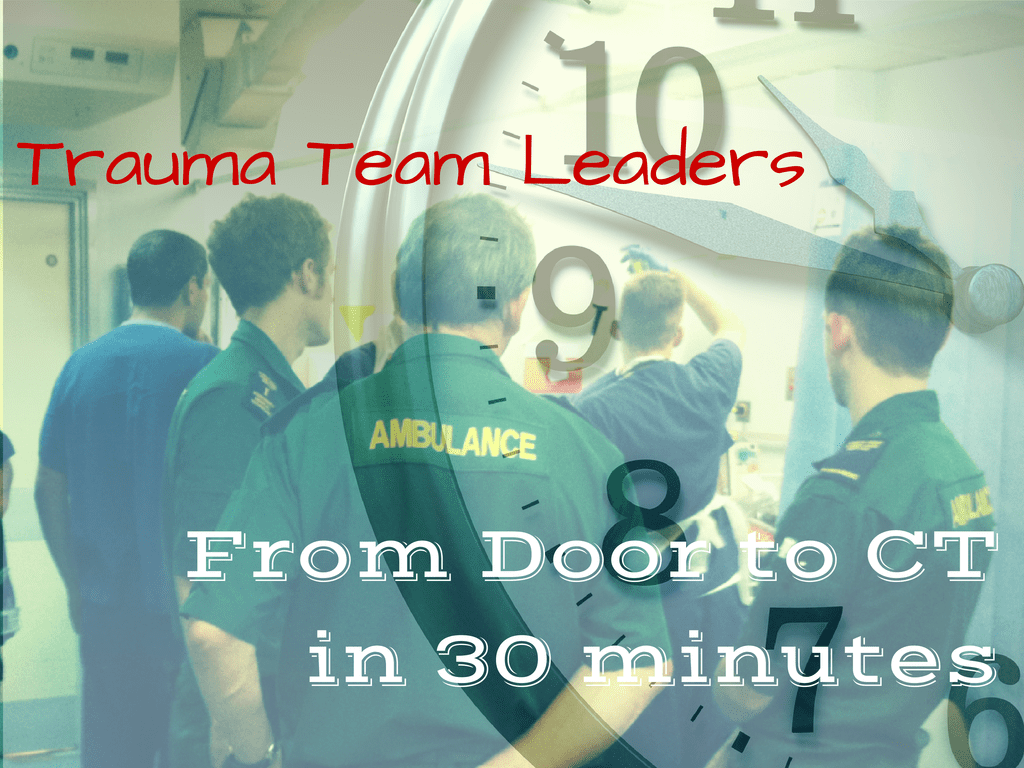
A 2014 podcast introduction on trauma team leadership and the challenge of moving patients from ED arrival to CT within 30 minutes. The post places that goal alongside UK trauma standards of the time and includes a trauma transfer checklist to support the discussion.