Could inhaling vapour from an isopropyl-alcohol wipe reduce nausea in the emergency department? This 2016 appraisal examines a small randomised trial, weighing its short-term symptom findings against concerns about blinding, patient selection and the lack of a direct comparison with other antiemetics.
Ross Fisher, consultant paediatric surgeon from Sheffield UK explains why paediatric surgeons may not be best placed to lead paediatric trauma teams.
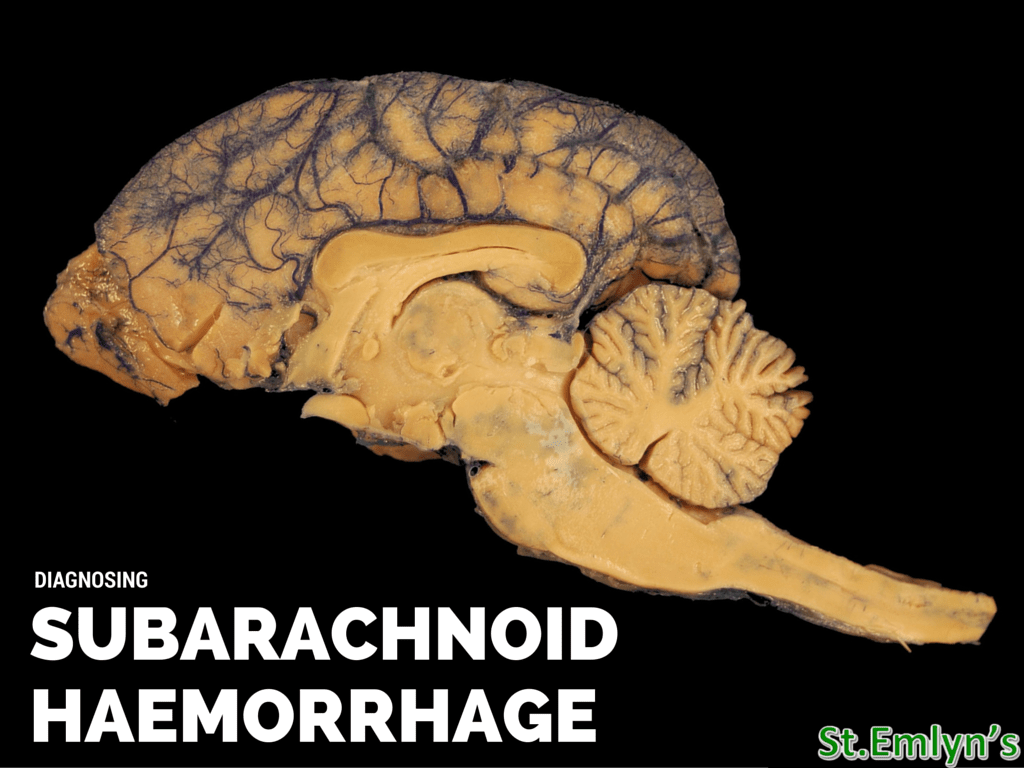
When might an early CT scan change the need for lumbar puncture in suspected subarachnoid haemorrhage? This 2016 discussion reviews the evidence available then, scanner and reporting requirements, and conversations with patients about uncertainty, further investigation and the risks of testing.
Janos Baombe shares experience-based suggestions for preparing for night shifts, coping during them and recovering afterwards. The post covers sleep, food, caffeine, breaks, team interactions and getting home safely, while recognising that clinicians need to find an approach that fits their own circumstances.
An introductory 2015 overview of chemical, biological, radiological and nuclear incidents for emergency clinicians. The post considers recognising unusual presentations, triage, broad patterns of exposure and sources of specialist help, encouraging further preparation rather than presenting itself as a complete incident-management guide.
This December 2015 update introduces the James Lind Alliance’s emergency medicine priority-setting partnership with the Royal College of Emergency Medicine. The post and accompanying podcast explain an effort to bring patients, carers and clinicians together to identify important unanswered research questions.