From prehospital simulation to end-of-life conversations, day one of dasSMACC 2017 combined clinical challenges with questions about how medicine learns. This report revisits sickle cell care, self-doubt, patient-centred outcomes and the future of scientific publishing.
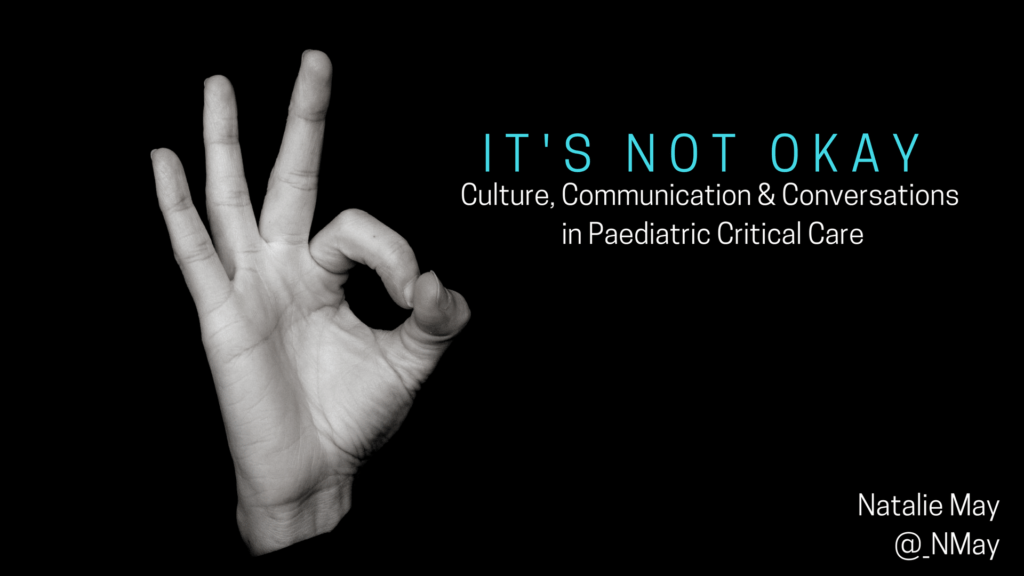
Good paediatric communication involves more than breaking bad news. This dasSMACC teaching post explores cultural assumptions, preparing children and families for procedures, and listening directly to young patients, with practical ways to make consultations more inclusive and honest.
The final day of The Teaching Course in Copenhagen in 2017 focuses on presentations and difficult feedback. The report introduces the P-cubed approach to story, supporting media and delivery, alongside practice using the Giraffe method for challenging conversations.
Looking for ways to make a workshop genuinely interactive? This collection describes feedback games, communication exercises, role play and small-group tasks, explaining how they have been used and adapted, and why briefing and debriefing matter as much as the activity.
A successful workshop starts with clear aims and an understanding of its participants. This ten-step guide covers context, resources, timing and interaction, then explains how feedback and structured reflection can help you refine the session for its next outing.
Day two of The Teaching Course in Copenhagen in 2017 puts educational theory into practice. This report explores simulation for experienced clinicians, designing scenarios, retrieval and spaced learning, and making constructive use of feedback as a lifelong learner.