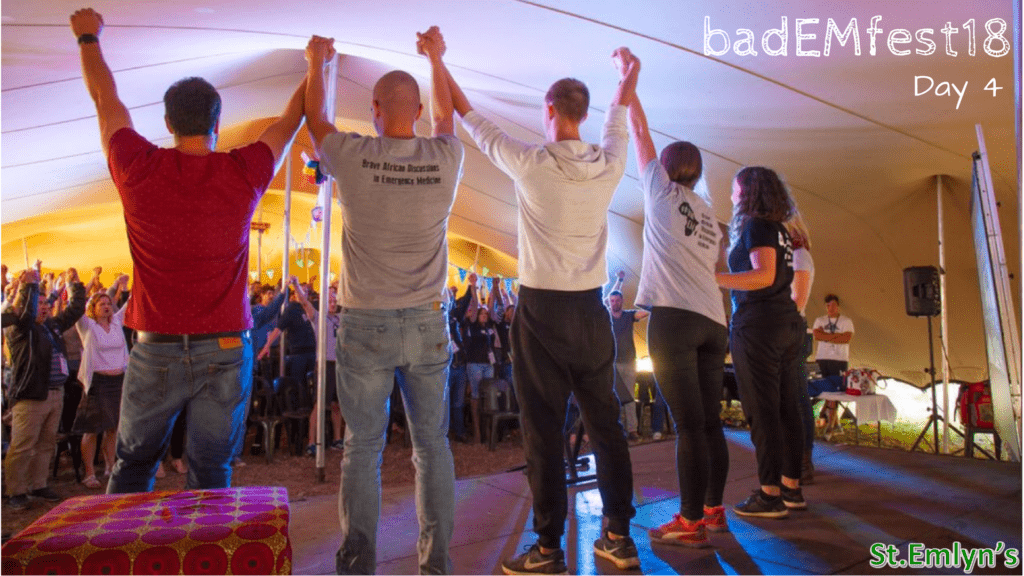
The final report from badEMfest 2018 brings together workshops on simulation, major incidents and venomous plants and animals, followed by talks on organ donation, cruise ship medicine and patient safety. Simon Carley and Natalie May reflect on the shared learning and connections that made the gathering memorable.
What can emergency clinicians learn from an audit of perioperative anaphylaxis? Chris Gray reviews NAP6, focusing on recognition, cardiovascular collapse and reactions associated with antibiotics, muscle relaxants and chlorhexidine. This 2018 discussion considers how findings from anaesthetic practice relate to the emergency department.
Preparing for Manchester’s 2018 festival season, this article explores the emergency consequences of MDMA and other recreational drugs, including hyperthermia and hyponatraemia. It connects clinical preparedness with harm reduction and the importance of responding to patients without judgement, rather than focusing only on the substances involved.
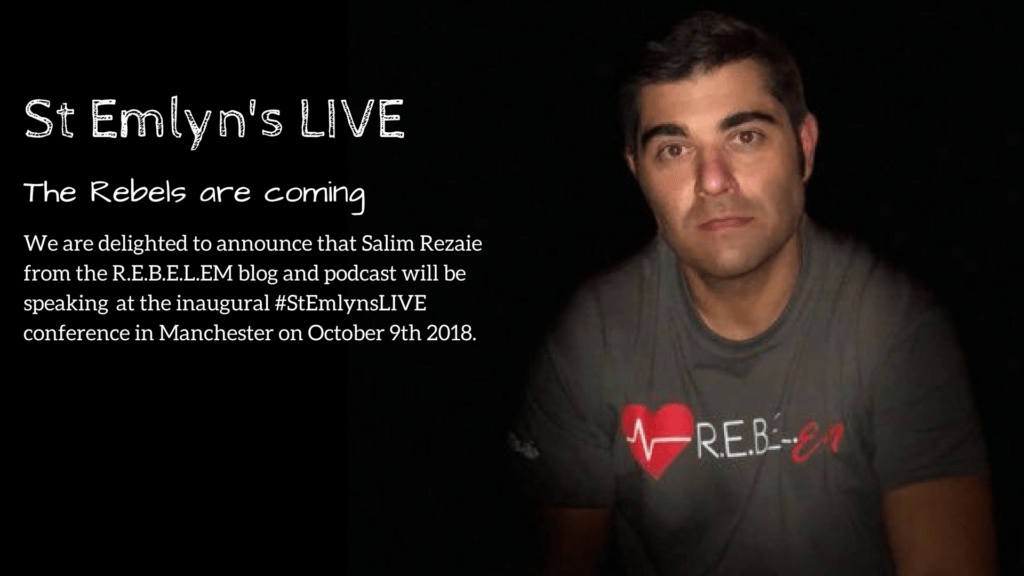
This 2018 announcement welcomes Salim Rezaie to the inaugural St Emlyn’s Live conference and the Teaching CoOp course in Manchester. It introduces his work with REBEL EM and previews his planned contribution on resuscitation beyond standard algorithms, alongside the event’s wider teaching programme.
How can emergency departments avoid separating a patient’s mental and physical health needs? This 2018 podcast with Kevin Mackway-Jones introduces the APEx course and its joint emergency medicine and psychiatry approach. The accompanying article explores unified assessment, risk and the assumptions that can delay care.
Simon and Iain revisit the St Emlyn’s blog from April 2018. The episode’s written guide links trauma research, paediatric CT, anticoagulation complications and diagnostic uncertainty, alongside clinician wellbeing, team coaching and reflections from badEMfest in South Africa.