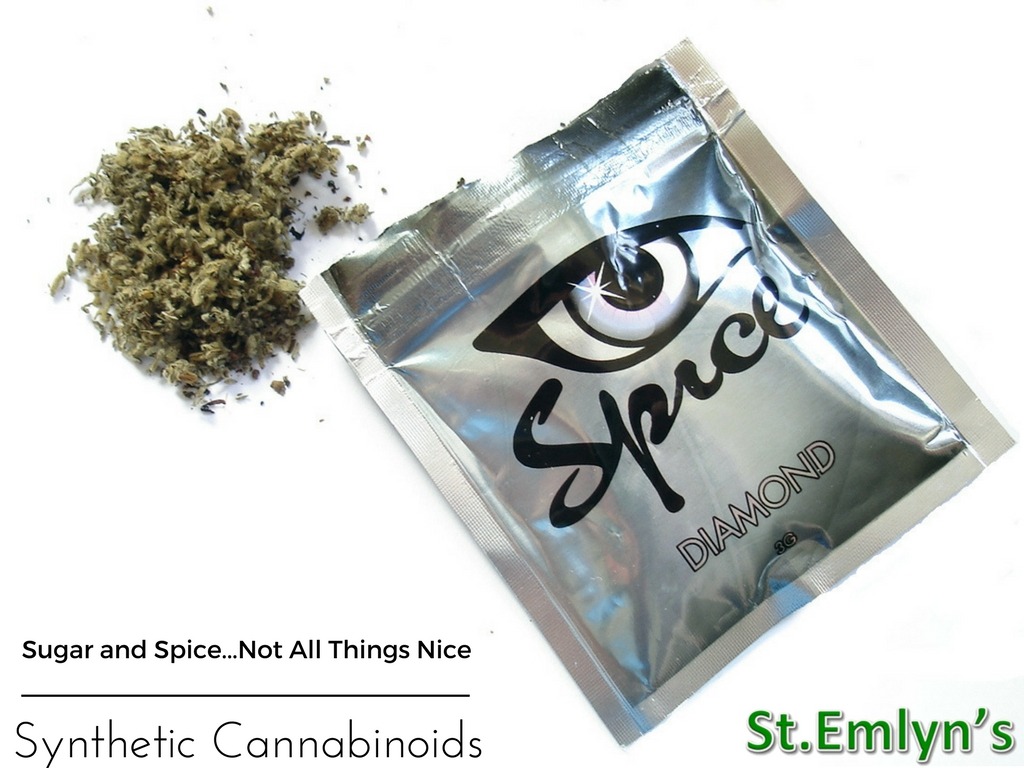
Synthetic cannabinoids can produce unpredictable and severe presentations in the emergency department. This 2017 overview explains their pharmacology, varied effects and uncertain composition, then discusses the difficulties of recognition and management and the role of specialist poisons advice.
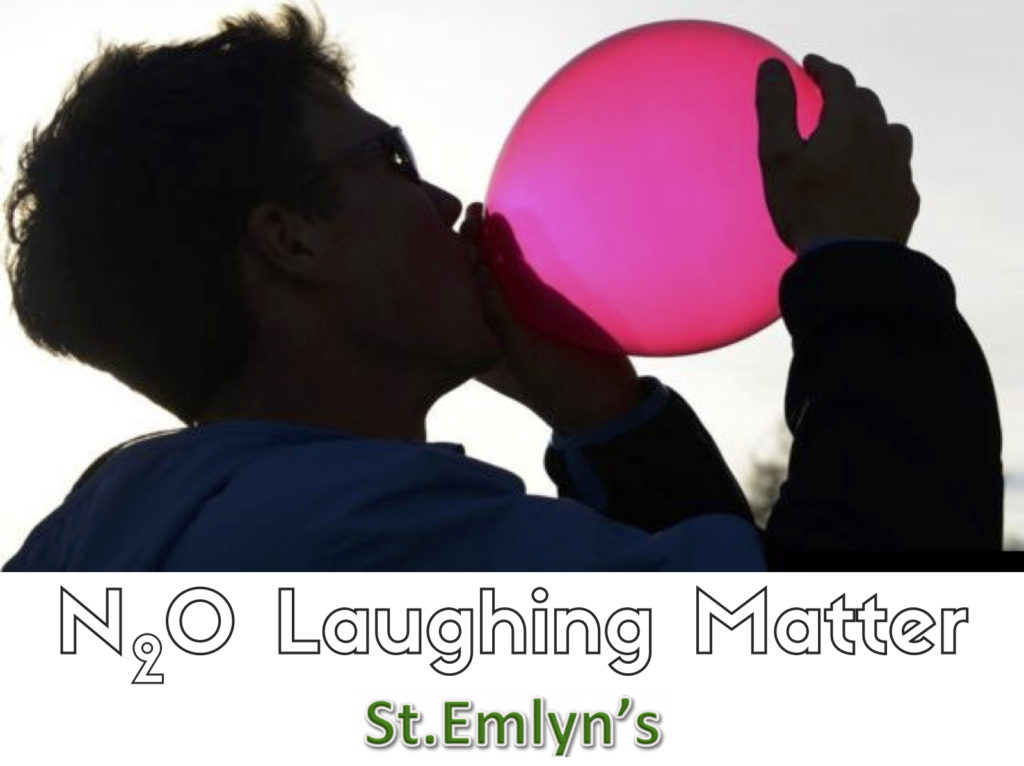
Recreational nitrous oxide use can be easy to overlook when taking a drug history. This 2016 overview examines acute hypoxia and the neurological and haematological consequences associated with disrupted vitamin B12 function, drawing attention to presentations that may initially seem unrelated.
An introductory 2015 overview of chemical, biological, radiological and nuclear incidents for emergency clinicians. The post considers recognising unusual presentations, triage, broad patterns of exposure and sources of specialist help, encouraging further preparation rather than presenting itself as a complete incident-management guide.
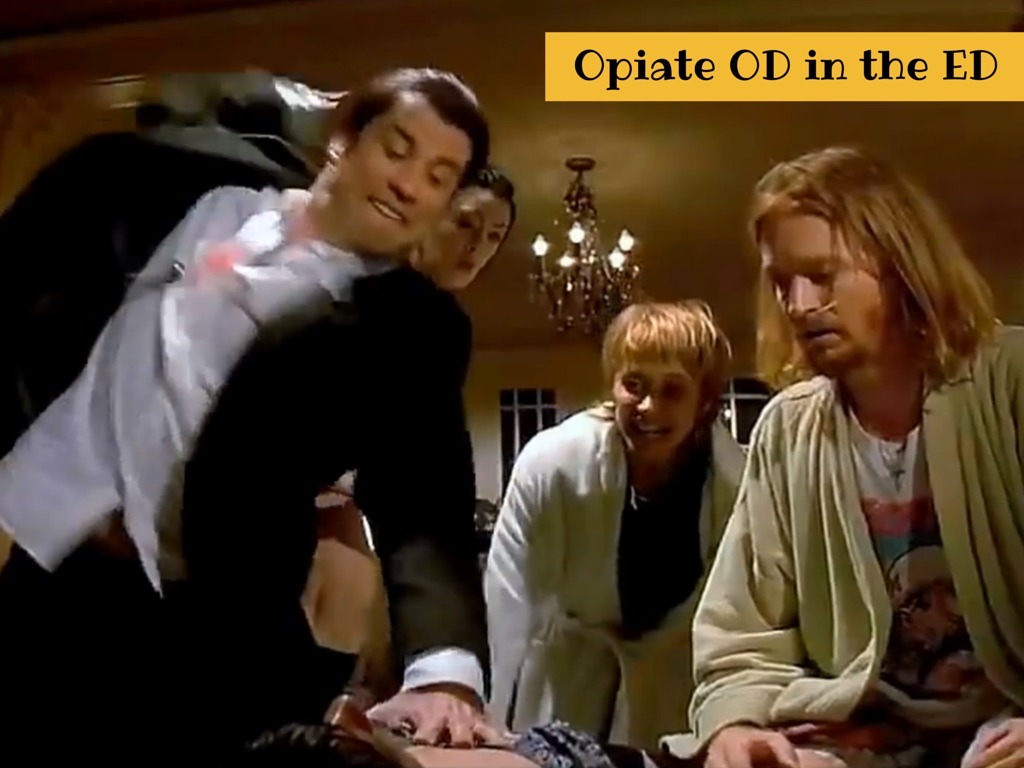
Iain Beardsell and Simon Carley discuss opioid overdose in this 2015 podcast and written review. They examine recognition beyond stereotyped presentations, resuscitation, the challenges of naloxone reversal and ongoing monitoring, while also considering co-ingestion, complications and patients’ wider mental health and social needs.
Could a shorter acetylcysteine infusion make treatment for paracetamol poisoning easier to tolerate? This 2014 journal club examines a randomised trial of an accelerated regimen, separating findings about nausea and infusion reactions from the larger question of effectiveness in preventing serious liver injury.
Do intravenous fluids shorten an emergency department stay for uncomplicated alcohol intoxication? This 2013 journal club reviews a randomised trial, examining its selected patient population, length-of-stay findings and uncertainty, and asks whether an impulse to intervene is supported by evidence.