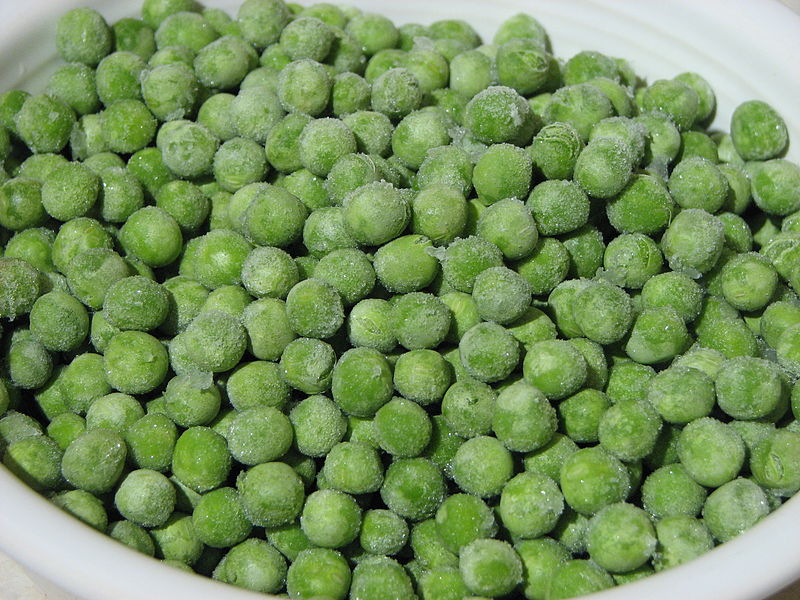
Should cooling begin during cardiac arrest rather than after circulation returns? This 2012 discussion explores the rationale for intra-arrest hypothermia, the limited human and animal evidence then available, and the author's argument for trying an earlier approach despite that uncertainty.
Does reaching hypothermia sooner after cardiac arrest improve outcomes? This 2012 journal club examines an observational study of cooling times, using its results to explain relative risk, absolute risk and number needed to treat while questioning whether confounding could explain the apparent benefit of later cooling.
Can case conferences help teams learn without becoming an exercise in blame? Rick Body uses a hypothetical asthma emergency to explore constructive reflection, fair feedback and the importance of recognising good care alongside opportunities to improve.
What can the capnography trace tell a resuscitation team beyond airway position? This 2012 reflection explores its use in assessing compressions, recognising possible return of circulation and informing difficult decisions, while emphasising the limitations of interpreting end-tidal carbon dioxide in isolation.
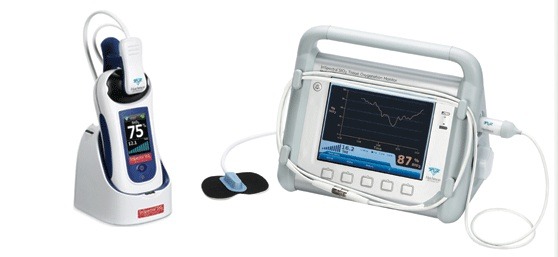
Does tissue oxygen monitoring add useful information in sepsis? This 2012 journal club examines a small observational study of StO2, asking whether it contributes beyond lactate and conventional observations, and distinguishing an association with survival from evidence that monitoring improves patient care.
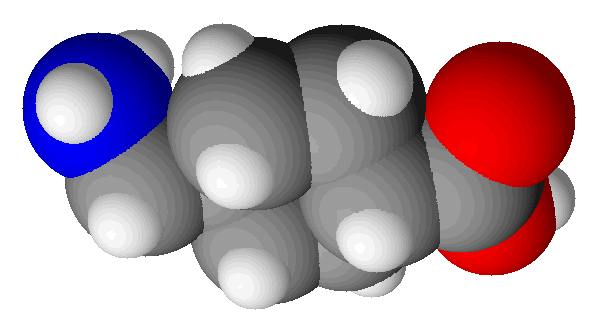
Does the benefit of tranexamic acid vary with a trauma patient's risk of death? This 2012 journal club discusses a CRASH-2 subgroup analysis, its implications for patient selection and the uncertainties then surrounding use before arrival at hospital.