In part two of his personal PTSD series, Rusty Carroll asks how clinicians might recognise distress in themselves or colleagues. He reflects on changes in sleep, behaviour and emotional responses, and on the difficulty of acknowledging that coping alone may no longer be enough.
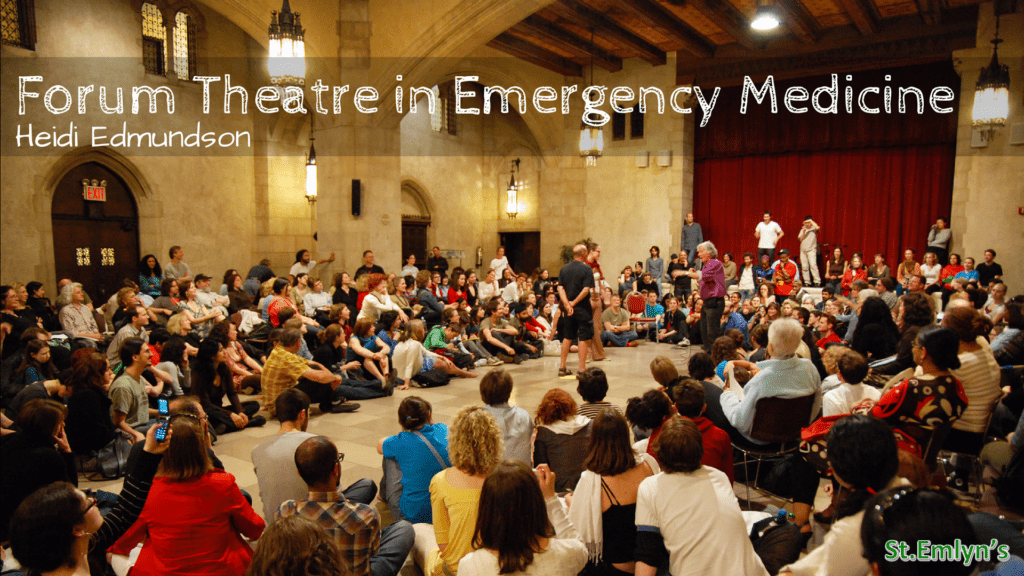
Heidi Edmundson describes bringing Forum Theatre into the emergency department to explore communication, power and staff wellbeing. By replaying difficult situations with audience members trying alternative responses, the project gave colleagues a way to examine everyday tensions together and consider how interactions might change.
Simon Carley shares highlights from the 2018 BASICS North West conference, spanning prehospital care, sepsis, stroke research and support for clinicians. The report ends with his torso trauma discussion, covering changing interventions, paediatric injuries, assessment of shock and the challenges of care across the patient journey.
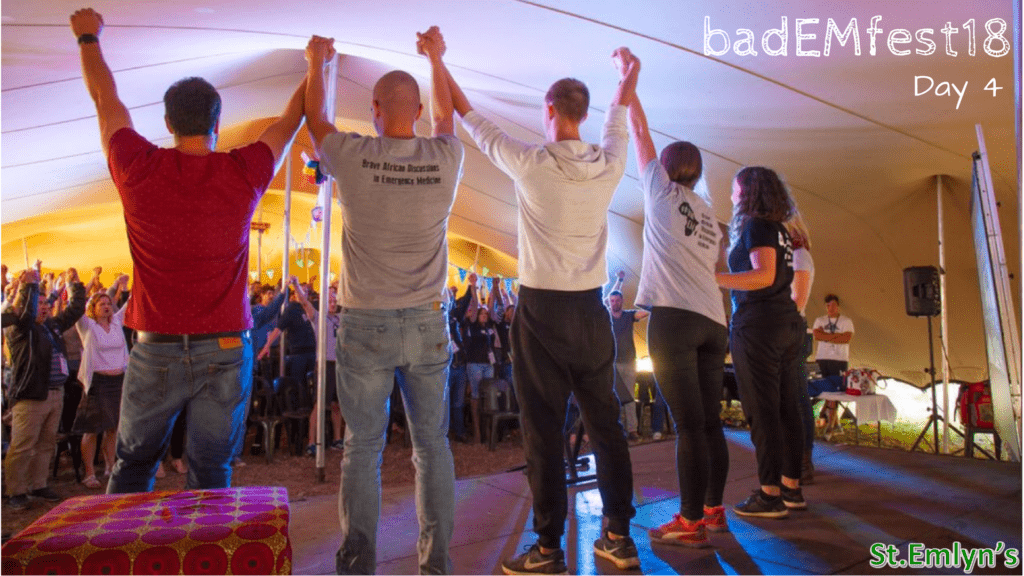
The final report from badEMfest 2018 brings together workshops on simulation, major incidents and venomous plants and animals, followed by talks on organ donation, cruise ship medicine and patient safety. Simon Carley and Natalie May reflect on the shared learning and connections that made the gathering memorable.
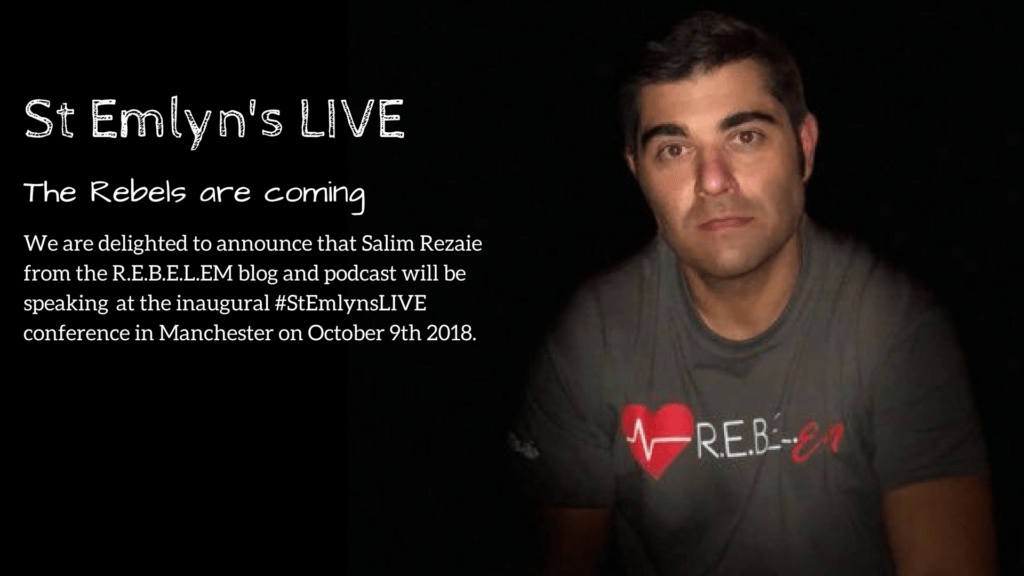
This 2018 announcement welcomes Salim Rezaie to the inaugural St Emlyn’s Live conference and the Teaching CoOp course in Manchester. It introduces his work with REBEL EM and previews his planned contribution on resuscitation beyond standard algorithms, alongside the event’s wider teaching programme.
How can emergency departments avoid separating a patient’s mental and physical health needs? This 2018 podcast with Kevin Mackway-Jones introduces the APEx course and its joint emergency medicine and psychiatry approach. The accompanying article explores unified assessment, risk and the assumptions that can delay care.