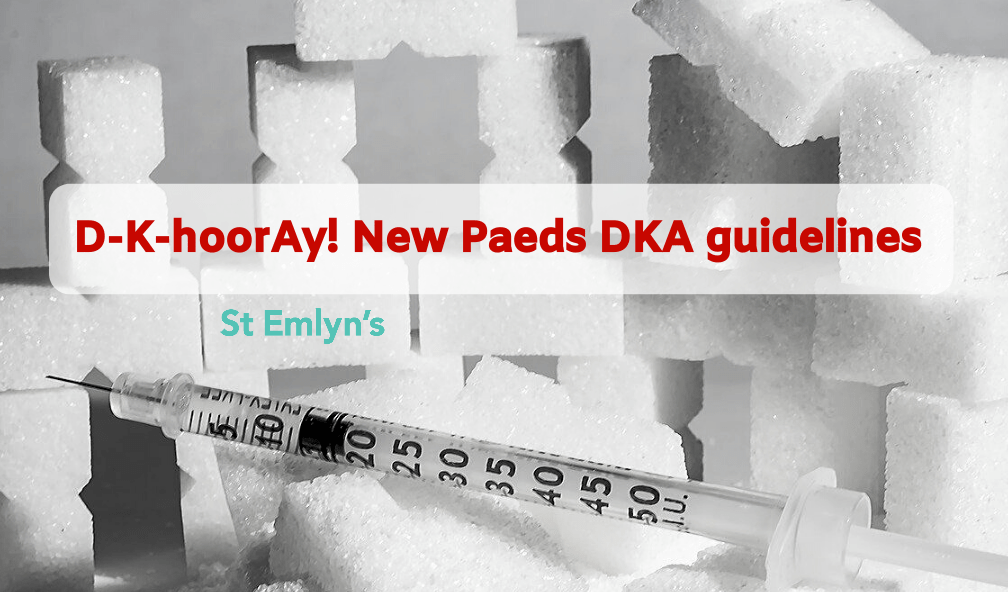
A review of the January 2020 interim BSPED guidance on diabetic ketoacidosis in children and young people. Chris Gray explains changes to diagnosis, severity assessment, fluids, potassium and insulin, alongside the evidence and practical questions raised by that edition of the guidance.
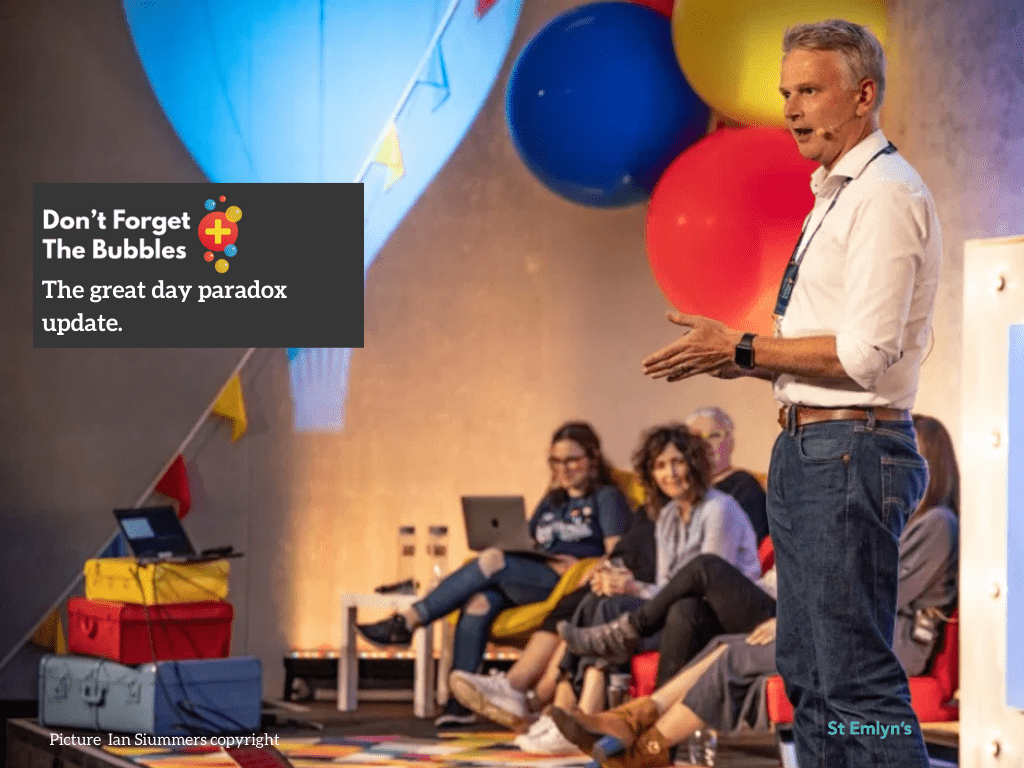
Why can a satisfying day of emergency procedures be a patient's worst day? Simon Carley's DFTB talk and accompanying reflection examine that tension, the motives behind interventions and the emotional support clinicians and learners need when a resuscitation becomes difficult or ends badly.
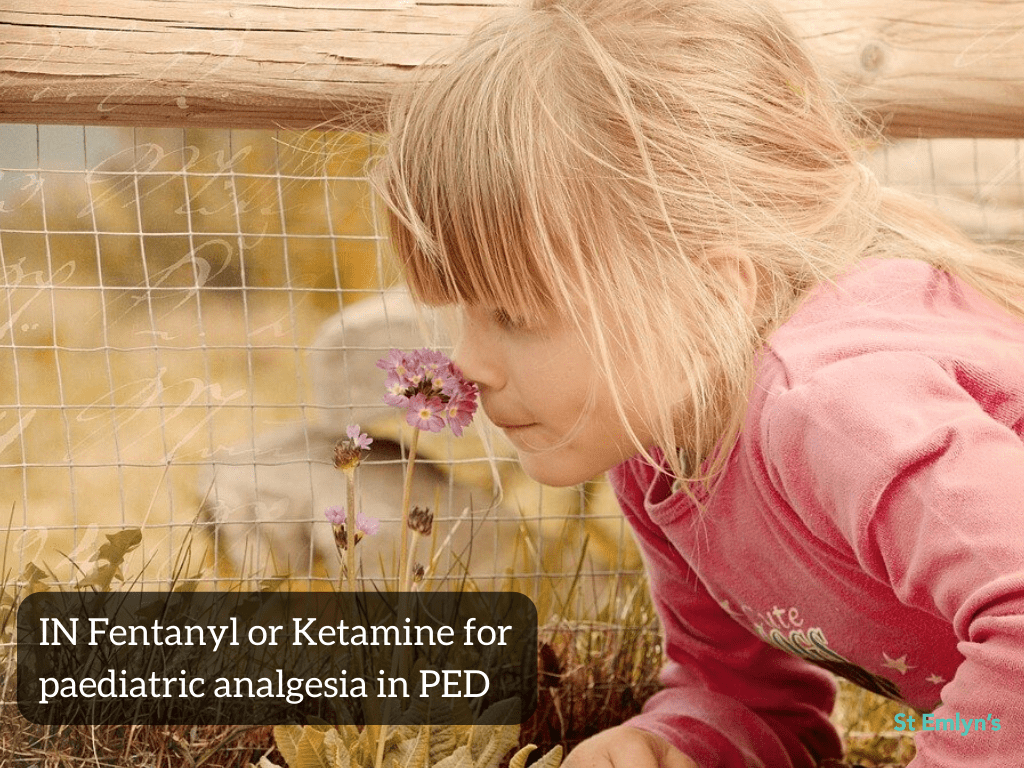
How do intranasal ketamine and fentanyl compare for children with painful limb injuries? This appraisal examines a small randomised trial reporting similar pain relief but more minor adverse events with ketamine, alongside concerns about sample size, trial design and applicability across different clinical settings.
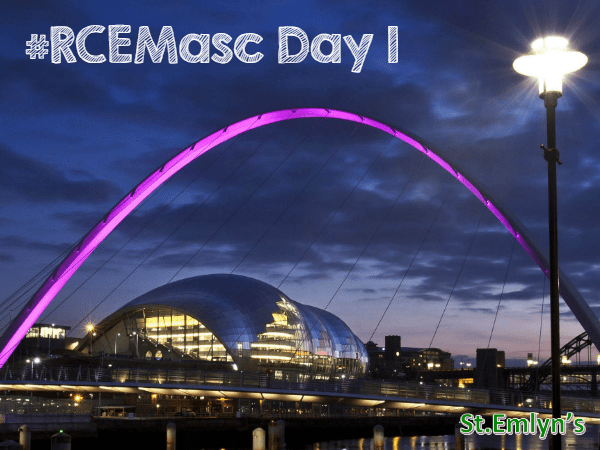
The St Emlyn’s team reports from the opening day of RCEM’s 2019 scientific conference in Gateshead. Highlights include listening to parents’ concerns, paediatric ultrasound, concussion, early warning scores and the importance of sharing emergency medicine knowledge across countries.
The June 2019 podcast round-up revisits a month of St Emlyn’s articles and recordings. Accompanying links explore clinicians’ psychological wellbeing, traumatic cardiac arrest, the reliability of intraosseous blood samples and Alan Grayson’s discussion of trauma care beyond ATLS.
Can virtual reality make venepuncture and cannulation less painful for children? Natalie May appraises a 2019 randomised study, examining pain scores, differences between clinical settings and feedback from children and carers, while considering the limits and practicalities of this distraction technique.