What does it mean for parents to be present during their child's resuscitation? Natalie May explores parental and staff perspectives, communication during cardiac arrest and the importance of supporting both families and the clinical team after a difficult case.
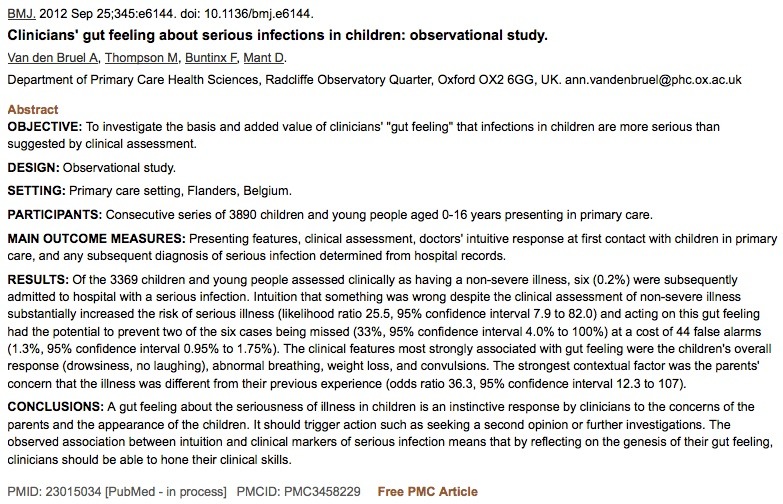
Can a clinician's gut feeling help identify serious infection in a child who otherwise seems well? This 2012 journal club examines a Belgian primary-care study, exploring diagnostic definitions, false alarms and the limits of transferring its findings to the emergency department.
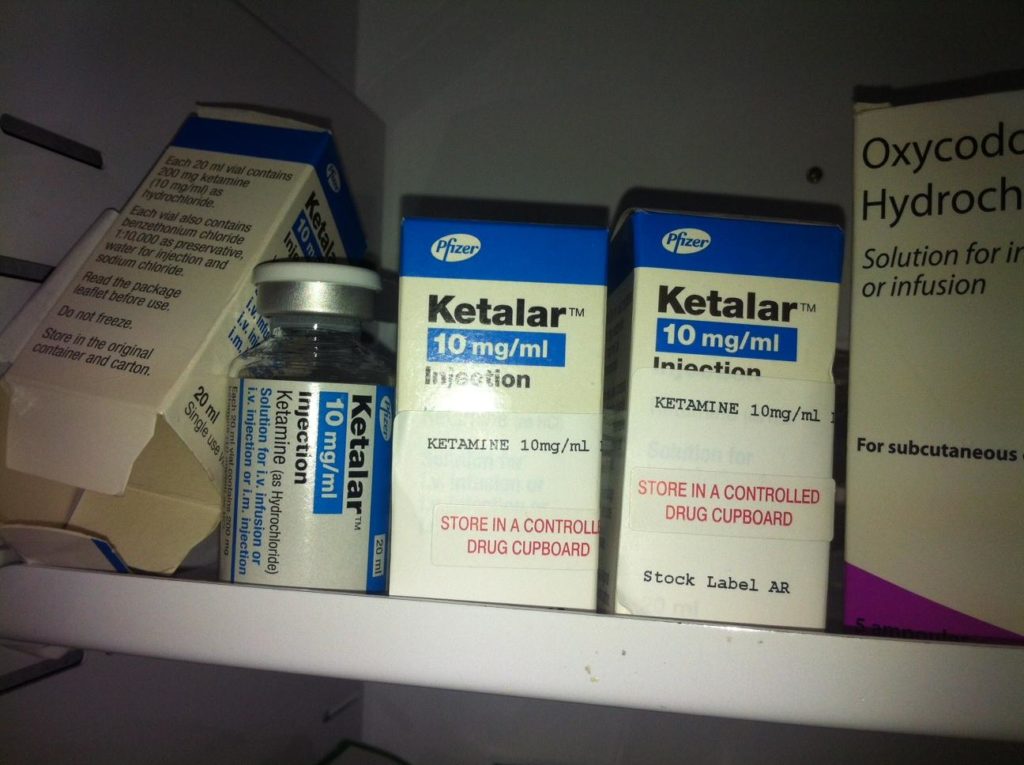
Could intranasal ketamine make procedural sedation less distressing for children? In this 2012 guest post, Alison Robinson appraises a small pilot study, questioning its sedation targets, lack of a control group and repeated blood sampling while acknowledging that the evidence remained inconclusive.
When a child's low blood glucose improves, what still needs explaining? In this 2012 discussion, Natalie May explores hypoglycaemia beyond diabetes, the possibility of underlying illness, and the decisions around investigation, observation and referral to paediatric colleagues.
Can ultrasound improve assessment of suspected skin and soft tissue infection in children? This 2012 journal club introduction questions whether finding an abscess necessarily improves outcomes, and raises concern about unnecessary interventions before linking to further ultrasound learning resources.
Could some children needing wound care avoid procedural sedation? Simon Carley's 2012 reflection describes how LAT gel changed practice in his department, while distinguishing relief of pain from management of fear and distress, and considering when additional sedation may still be needed.