What can Game of Thrones teach us about critical appraisal? This festive journal club examines a study of character survival, using its methods to explore cohort selection, outcome definitions and statistical analysis. Expect spoilers from the first seven seasons and a deliberately light-hearted approach to research.
Revisit the November 2018 St Emlyn’s podcast roundup and its accompanying reading list. Linked posts explore cognitive load, learning in the social age, a medical elective in South Africa and cardiac arrest care, with further reflections from the FemInEM Ideas Exchange.
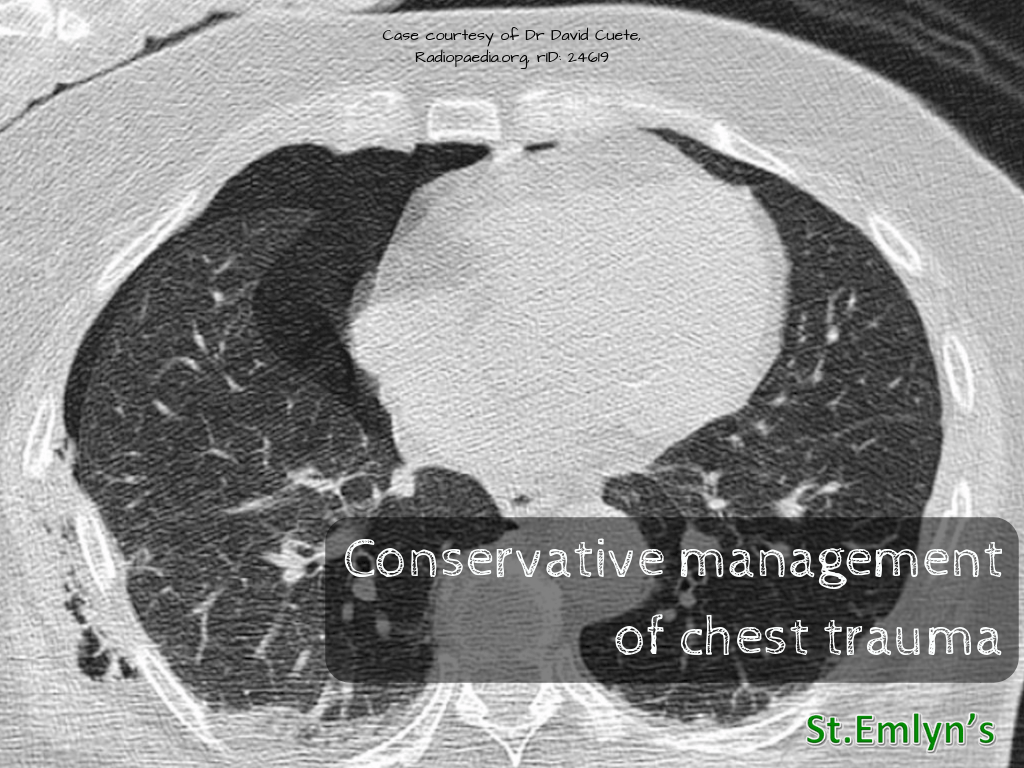
Can some traumatic pneumothoraces and haemothoraces be managed without a chest drain? This 2018 appraisal examines a UK observational study, including patients receiving positive-pressure ventilation. It considers selection bias, the limits of a single-centre dataset and the importance of monitoring when conservative management is chosen.
Does early hypothermia improve outcomes after traumatic brain injury? This review of the 2018 POLAR trial examines its patient selection, cooling strategy and six-month neurological outcomes. It discusses the absence of demonstrated benefit in this population and why the findings cannot answer every question about rescue cooling.
Does cricoid pressure still have a place in rapid sequence induction? Simon Carley appraises a large 2018 randomised trial, weighing aspiration outcomes against difficulties with laryngoscopy. He also considers the limits of applying operating-theatre evidence to emergency department patients and groups excluded from the study.
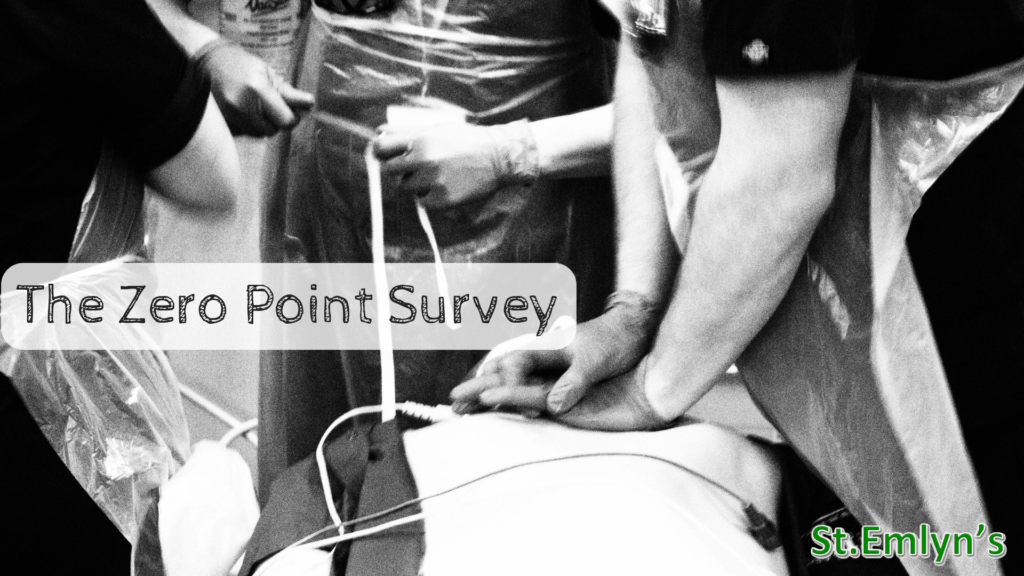
Resuscitation begins before the patient arrives. Simon Carley introduces the Zero Point Survey and its focus on the clinician, team and environment, explaining how shared preparation and mental models can be practised in simulation. He also reflects on role allocation and integrating the approach into everyday resuscitation training.