Esther Murray and colleagues explore moral injury and the psychological impact of working through COVID-19. This video discussion considers recognition, prevention and support, emphasising honest conversations and the importance of feeling heard when difficult experiences challenge clinicians' values.
A personal account of practising the fundamentals during the first COVID-19 wave. Using CPAP setup, removing PPE, closed-loop communication and end-of-life conversations as examples, the author explores breaking skills into smaller steps, seeking feedback and learning deliberately during everyday work.
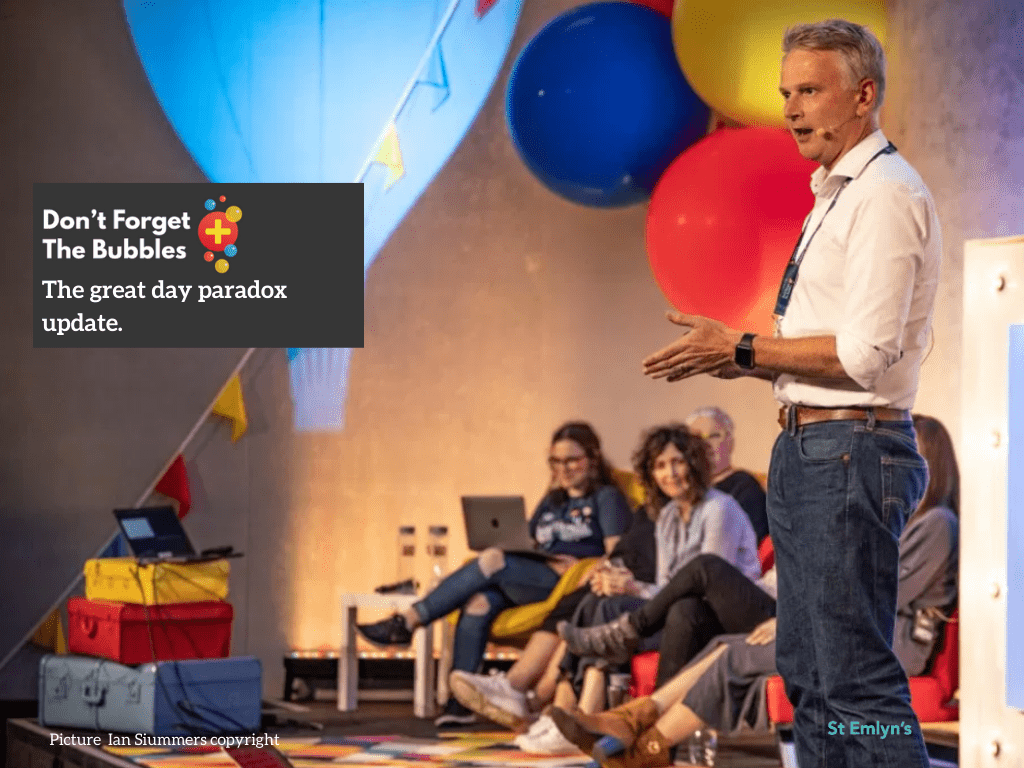
Why can a satisfying day of emergency procedures be a patient's worst day? Simon Carley's DFTB talk and accompanying reflection examine that tension, the motives behind interventions and the emotional support clinicians and learners need when a resuscitation becomes difficult or ends badly.
The September 2019 podcast roundup highlights Cliff Reid's Zero Point Survey and Dan Horner's discussion of the UK resuscitationist. The accompanying reading links also cover decompensated liver disease and CODA's aims, bringing together resuscitation practice, clinical reflection and medical education.
Supporting people affected by violence and abuse was a central theme of SMACC 2019’s first afternoon. This report also considers clinicians’ emotional responses, conversations that offer support, and the role of creativity in healthcare and education.
Good workplace relationships need deliberate attention. Stevan Bruijns reflects on how gratitude, generous interpretations of colleagues’ actions, celebrating successes and shared experiences can support emergency care teams, while recognising that no single team can meet every professional and personal need.