Ashley Liebig's January 2020 introduction to the novel coronavirus outbreak, written as cases began appearing beyond China. The article records the early questions facing clinicians and the information available at that point, offering a historical snapshot rather than an up-to-date account of COVID-19.
A report from Critical Care Reviews 2020 on the IHME study estimating the global burden of sepsis. It explores geographical and age-related differences, reliance on records and modelling, and why estimates of sepsis-associated deaths do not establish how many deaths were preventable.
How do intranasal ketamine and fentanyl compare for children with painful limb injuries? This appraisal examines a small randomised trial reporting similar pain relief but more minor adverse events with ketamine, alongside concerns about sample size, trial design and applicability across different clinical settings.
What can emergency medicine learn from anaesthesia’s environmental footprint? This review of a 2019 editorial considers anaesthetic gases, equipment, waste and the wider life cycle of healthcare products, alongside the climate implications of travel for conferences and education.
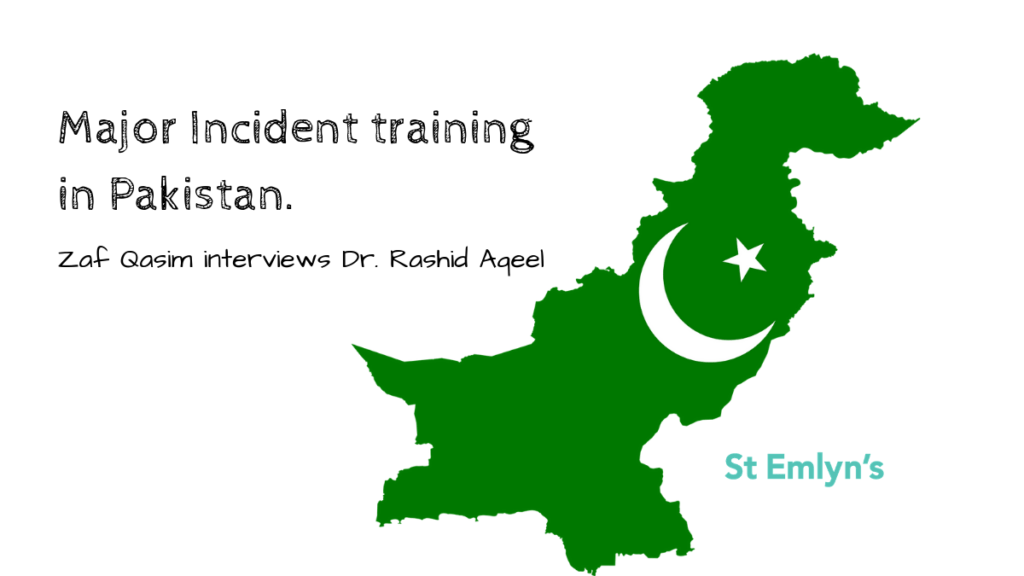
How can mass-casualty training reflect the resources and challenges of its setting? Dr Rashid Aqeel describes simulation training in Karachi, Pakistan, exploring locally adapted scenarios, multidisciplinary preparation and what emergency teams in different health systems can learn from one another.
The March 2019 podcast round-up looks back across the St Emlyn’s blog. Its linked reading ranges from adult congenital heart disease and selected trauma papers to responsible overseas volunteering, the interpretation of p-values and reports from the SMACC conference.