Why can clinicians read the same evidence and reach different conclusions? Simon Carley uses a Bayesian analogy to explore how prior beliefs shape critical appraisal and thresholds for changing practice, suggesting ways to recognise those beliefs before interpreting a new paper.
A March 2021 review of the RECOVERY convalescent plasma preprint in hospitalised patients with COVID-19. It examines the absence of a survival benefit, donor antibody testing and subgroup findings, and reflects on why promising treatments still need randomised evidence.
What can a specialist prehospital service teach us about a rare emergency airway procedure? This review of London Air Ambulance's 20-year cricothyroidotomy experience separates procedural success from patient survival and considers the implications for training, preparation and interpreting retrospective data.
A March 2021 update on RECOVERY's initial colchicine results in hospitalised patients with COVID-19. It reports the lack of a mortality benefit announced at the time, distinguishes these patients from community cases and notes that the full paper was still awaited.
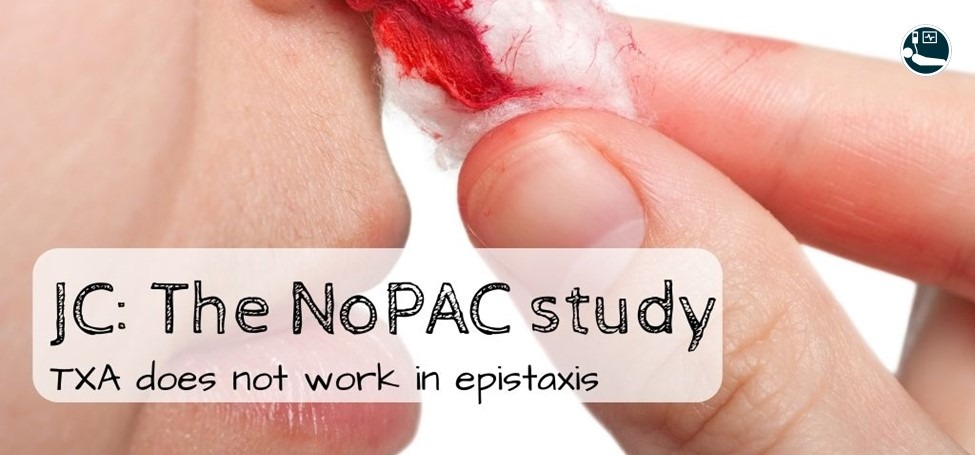
Does topical tranexamic acid reduce the need for nasal packing when initial epistaxis treatment has failed? This 2021 appraisal of the NoPAC trial examines its negative result, the importance of preceding first aid and vasoconstrictors, and limits to generalising across different types of bleeding.
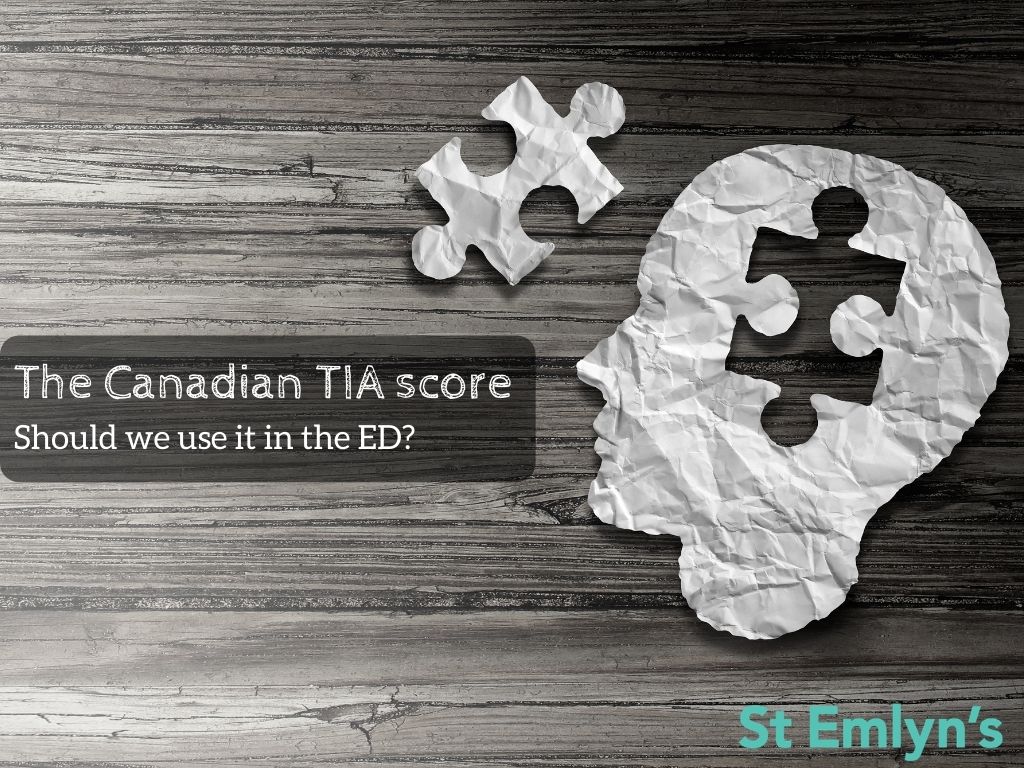
A 2021 appraisal of the Canadian TIA score's prospective validation and comparison with ABCD scores. It explores seven-day stroke risk, the need for validation in other settings and why better prediction only helps when local services can act on the result.