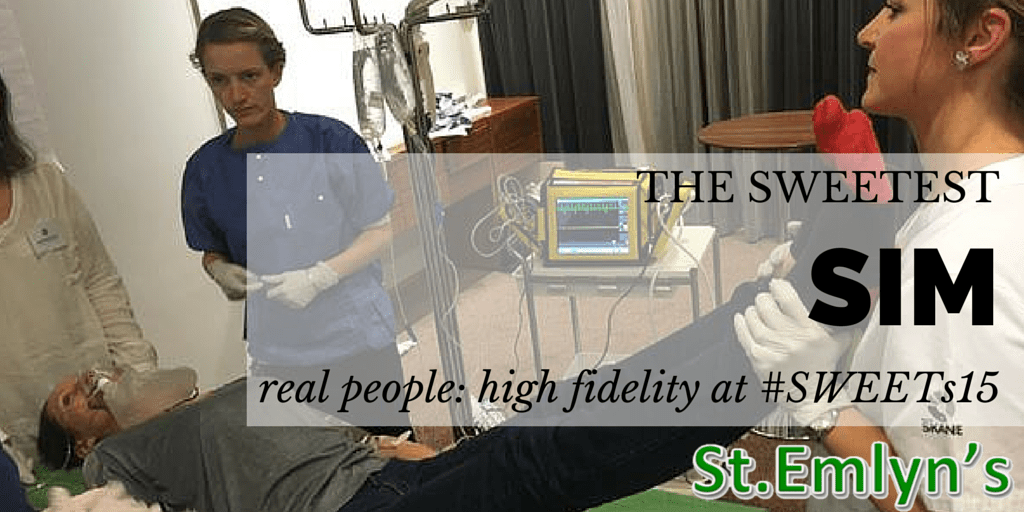
What changes when the simulated patient is a person rather than a mannequin? After playing a patient at SWEETs 2015, Natalie May reflects on explanations, emotional needs and patient feedback, alongside the educational benefits of clinician actors and the responsibility to protect their comfort and safety.
Ross Fisher discusses gaps in paediatric trauma research and why children need more than scaled-down adult care in this London Trauma Conference podcast. Published in 2015, the accompanying notes cover imaging questions, opportunities to contribute to research and a shared interest in clearer, more focused presentations.
The 2015 ProMISe trial compared early goal-directed therapy with usual care for patients with septic shock in UK hospitals. This appraisal examines mortality, treatment overlap and patient selection, asking what the findings added to ARISE and ProCESS and which questions about individualised care remained unresolved.
A guide to the changes introduced in the 2015 APLS trauma update, with an accompanying podcast. Simon Carley discusses haemorrhage control, cervical spine management, vascular access, imaging and pain relief, alongside implications for instructors and areas where contemporary guidance differed.
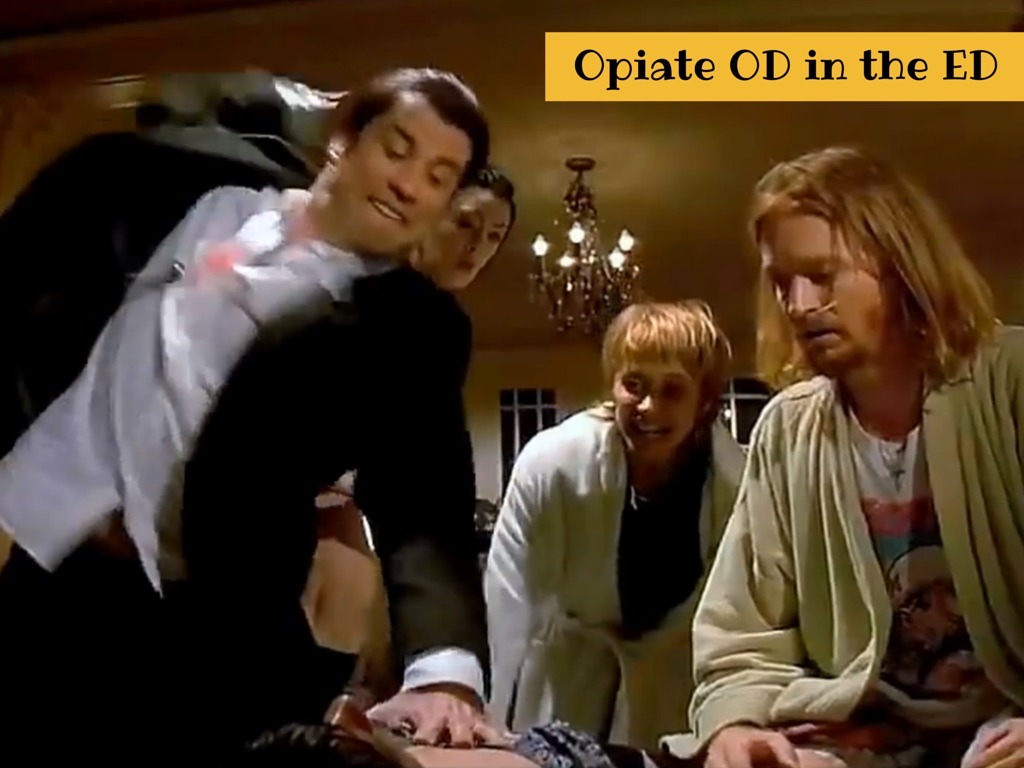
Iain Beardsell and Simon Carley discuss opioid overdose in this 2015 podcast and written review. They examine recognition beyond stereotyped presentations, resuscitation, the challenges of naloxone reversal and ongoing monitoring, while also considering co-ingestion, complications and patients’ wider mental health and social needs.
How can emergency clinicians keep up with research without being overwhelmed? This 2015 guide explains the team’s approaches to personalised PubMed alerts, journal and topic searches, RSS readers and shared coverage with colleagues, while emphasising that online appraisals should support reading the original literature.