This response to the 2012 NICE headache guidance considers its relevance to young people and adults presenting to emergency care. The discussion covers diagnostic features, imaging for reassurance, medication-overuse headache and the practical challenges of explaining assessment and treatment choices to patients.
Should cooling begin during cardiac arrest rather than after circulation returns? This 2012 discussion explores the rationale for intra-arrest hypothermia, the limited human and animal evidence then available, and the author's argument for trying an earlier approach despite that uncertainty.
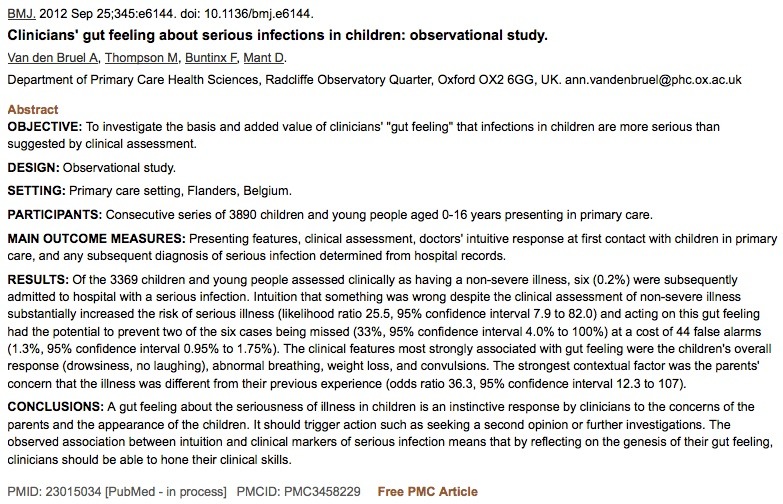
Can a clinician's gut feeling help identify serious infection in a child who otherwise seems well? This 2012 journal club examines a Belgian primary-care study, exploring diagnostic definitions, false alarms and the limits of transferring its findings to the emergency department.
The foam in this post is party spray, not online medical education. A 2012 review of reported eye injuries prompts a discussion of chemical exposure, recognising the substance involved and the emergency department's role in injury prevention and public health messaging.
Why does a test's sensitivity tell only part of the story about missed diagnoses? Part four of Risky Business uses pulmonary embolism and the PERC rule to illustrate how disease prevalence changes the numbers missed among all the patients investigated.
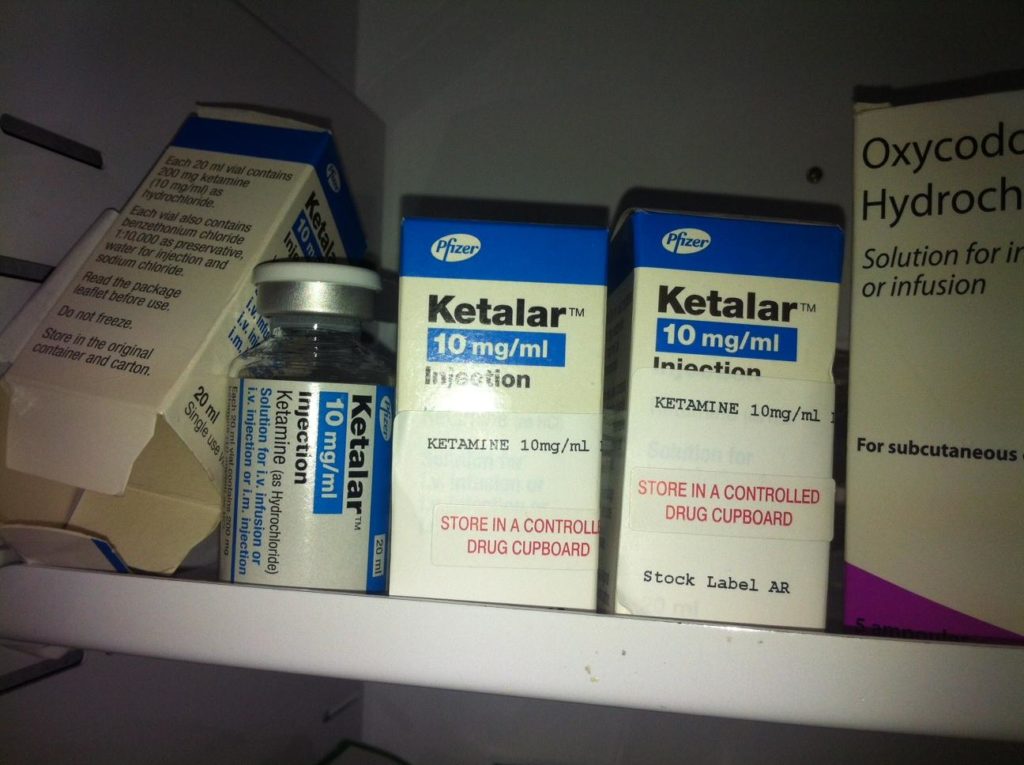
Could intranasal ketamine make procedural sedation less distressing for children? In this 2012 guest post, Alison Robinson appraises a small pilot study, questioning its sedation targets, lack of a control group and repeated blood sampling while acknowledging that the evidence remained inconclusive.